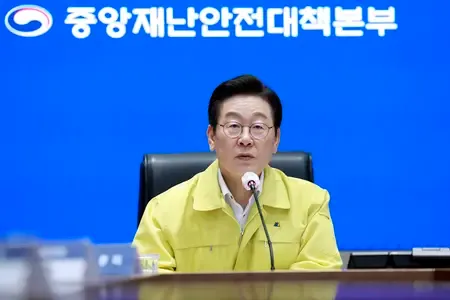
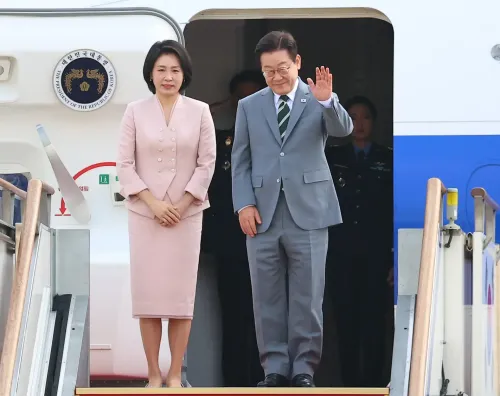
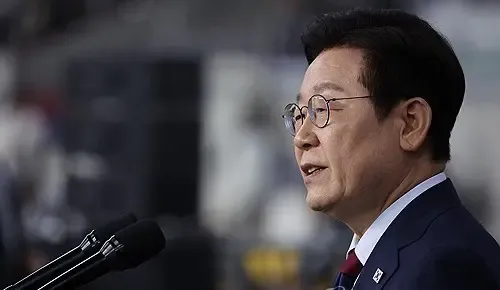
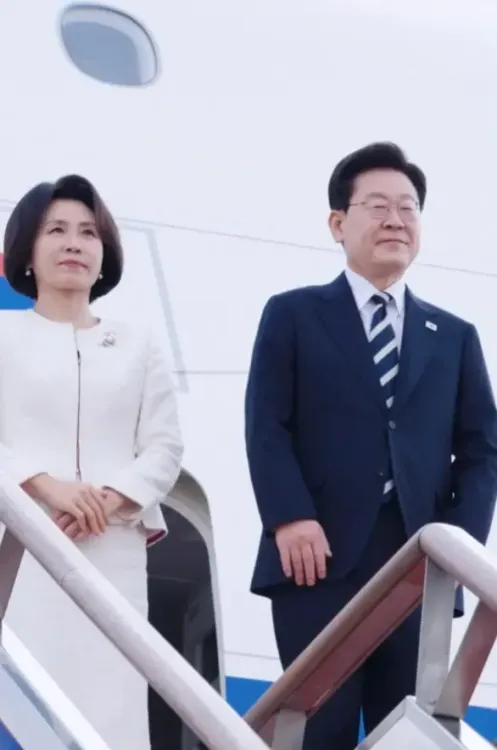
South Korean President Lee Jae-myung arrives in Manila for ASEAN summit
Synopsis
South Korean President Lee Jae-myung has landed in Manila for the ASEAN summit — the first leg of a four-day diplomatic blitz that includes an APEC summit in Shenzhen with a Xi Jinping-hosted banquet. Beyond trade and tech, Lee's most ambitious ask is ASEAN and APEC backing for Seoul's peaceful coexistence policy toward North Korea.
Key Takeaways
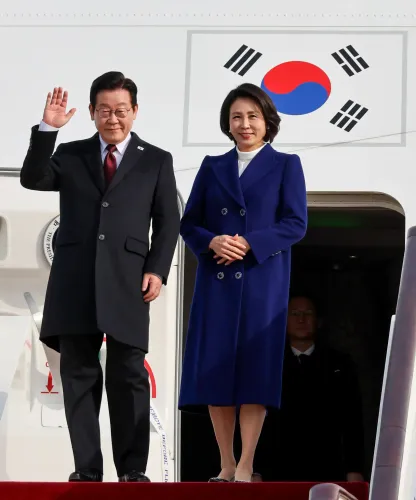
South Korean President Lee Jae-myung arrived in Manila on 16 November 2026 for the ASEAN summit .
He will then travel to Shenzhen, China for the APEC summit , including a dinner hosted by President Xi Jinping .
Bilateral meetings with Thai PM Anutin Charnvirakul and Philippine President Ferdinand Marcos Jr. are scheduled for Monday.
Lee is seeking multilateral support for Seoul's peaceful coexistence policy toward North Korea .
Agenda includes upgrading the South Korea-ASEAN free trade agreement and expanding cooperation in AI, space, nuclear power , and critical minerals .
The APEC summit theme is 'Building an Asia-Pacific Community to Prosper Together.'
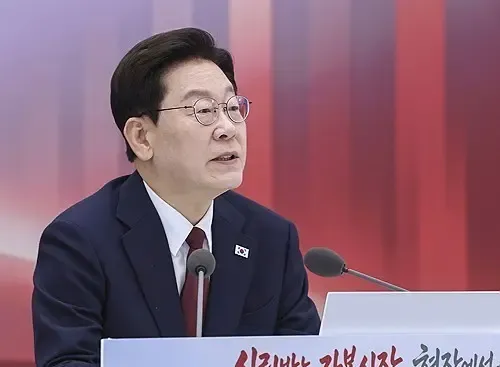
South Korean President Lee Jae-myung arrived in Manila on Monday, 16 November 2026 for the Association of Southeast Asian Nations (ASEAN) summit, kicking off a four-day diplomatic tour that will subsequently take him to Shenzhen, China, for the Asia-Pacific Economic Cooperation (APEC) summit. The visit marks one of Lee's most significant multilateral engagements since taking office, covering trade, security, and peninsular peace in a single sweep.
Summit Schedule and Key Engagements
During the ASEAN summit in Manila, Lee will participate in a dedicated South Korea-ASEAN summit to deepen cooperation with the regional bloc, followed by a separate meeting with leaders of the five Mekong countries — Cambodia, Laos, Myanmar, Thailand, and Vietnam. On Tuesday, he will attend the ASEAN Plus Three summit, bringing together ASEAN member states alongside South Korea, China, and Japan, as well as the East Asia Summit involving 16 countries.
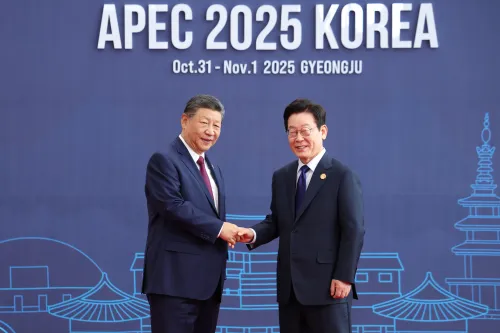
On Wednesday and Thursday, Lee moves to Shenzhen for the APEC summit, which includes a CEO summit, a dinner banquet hosted by Chinese President Xi Jinping, and the main summit under this year's theme, 'Building an Asia-Pacific Community to Prosper Together.'
Bilateral Talks on the Sidelines
On the margins of the ASEAN summit, Lee is expected to hold bilateral meetings with Thai Prime Minister Anutin Charnvirakul and Philippine President Ferdinand Romualdez Marcos Jr., both scheduled for Monday. His National Security Adviser Wi Sung-lac confirmed that Lee intends to strengthen mutual trust through these bilateral and multilateral encounters, spotlighting South Korea's contributions to regional challenges including energy supply chains, transnational crimes, and food security.
North Korea Policy and Peninsula Peace
A central thread of Lee's diplomatic messaging is Seoul's peaceful coexistence policy toward North Korea. According to his National Security Adviser, the president plans to urge ASEAN and APEC member countries to back this approach and deliver a 'positive message' in favour of peace and security on the Korean Peninsula. This comes amid sustained tensions on the peninsula, making multilateral endorsement of Seoul's posture strategically significant.
Trade and Technology Agenda
Ahead of his arrival, Lee outlined an ambitious bilateral agenda with the Philippines in an interview with The Philippine Star. He said South Korea is working to deepen regional economic integration and cited ongoing negotiations to upgrade the South Korea-ASEAN free trade agreement, aiming to 'incorporate forward-looking trade rules into the agreement.' He also highlighted plans to broaden the Seoul-Manila partnership beyond infrastructure and manufacturing into artificial intelligence, space, nuclear power, and critical minerals. On defence cooperation, Lee indicated the two sides could move from weapons supply to technological collaboration, joint production, maintenance and repair, and specialist training.
As the twin summits get underway, all eyes will be on whether Lee's multilateral push translates into concrete agreements on trade upgrades, North Korea diplomacy, and emerging technology partnerships across the Indo-Pacific.
Point of View
Then Xi's table — underlining Seoul's intent to diversify partnerships before deepening ties with Beijing. His North Korea pitch to ASEAN and APEC members is the harder sell; most regional capitals prefer strategic ambiguity on peninsula politics. The trade and technology agenda — AI, space, nuclear, critical minerals — reflects South Korea's awareness that it must offer more than defence hardware to remain relevant in a region increasingly courted by both Washington and Beijing. Whether the FTA upgrade negotiations produce anything binding, or remain aspirational talking points, will be the real measure of this tour.
NationPress
16 Nov 2026
Frequently Asked Questions
Why is South Korean President Lee Jae-myung visiting Manila?
President Lee Jae-myung arrived in Manila on 16 November 2026 to attend the ASEAN summit, where he will participate in a South Korea-ASEAN summit, a Mekong countries meeting, the ASEAN Plus Three summit, and the East Asia Summit. The visit is the first leg of a four-day multilateral tour.
Where does Lee Jae-myung go after the ASEAN summit in Manila?
After Manila, President Lee travels to Shenzhen, China, on Wednesday and Thursday for the APEC summit. The Shenzhen leg includes a CEO summit, a dinner banquet hosted by Chinese President Xi Jinping, and the main APEC summit.
What is South Korea's key diplomatic message at ASEAN and APEC?
South Korea is urging ASEAN and APEC member countries to support Seoul's peaceful coexistence policy toward North Korea and to endorse peace and stability on the Korean Peninsula. President Lee's National Security Adviser Wi Sung-lac confirmed this as a central objective of the tour.
What trade and technology deals is South Korea pursuing at these summits?
South Korea is negotiating an upgrade to the South Korea-ASEAN free trade agreement to include forward-looking trade rules. President Lee also outlined plans to expand the South Korea-Philippines partnership into artificial intelligence, space, nuclear power, critical minerals, and defence technology collaboration.
Who will Lee Jae-myung meet bilaterally on the sidelines?
On Monday in Manila, President Lee is scheduled to hold bilateral talks with Thai Prime Minister Anutin Charnvirakul and Philippine President Ferdinand Romualdez Marcos Jr. Additional sideline meetings are expected throughout the four-day tour.