South Korea's Lee warns union excess may hurt all workers amid Samsung strike threat
Synopsis
South Korean President Lee Jae Myung used a pre-Labour Day address to deliver a pointed warning to unions — including one threatening an 18-day strike at Samsung Electronics — that excessive demands could backfire on all workers. With Samsung posting a fivefold profit surge and analysts estimating up to USD 673.6 million in potential strike losses, the stakes could not be higher.
Key Takeaways
President Lee Jae Myung warned on 30 April that excessive union demands could harm unions and fellow workers alike.
A major Samsung Electronics union has threatened an 18-day general strike starting 21 May , demanding bonuses tied to record revenues.
Analysts estimate potential operating losses of up to 10 trillion won (USD 673.6 million) if the strike proceeds.
Samsung's Q1 net profit surged more than fivefold to 47.22 trillion won , driven by AI chip demand.
Lee also warned that rising producer prices could push up consumer prices within one to two months .
Labour Day was observed for the first time as a statutory holiday on 1 May 2025 .
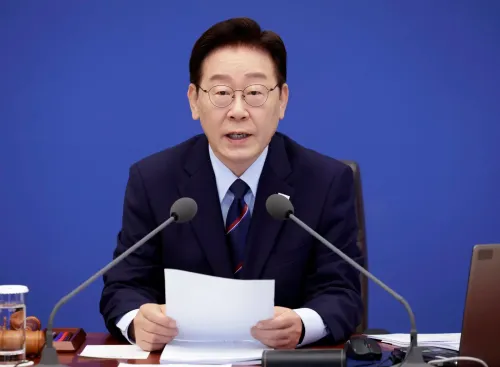
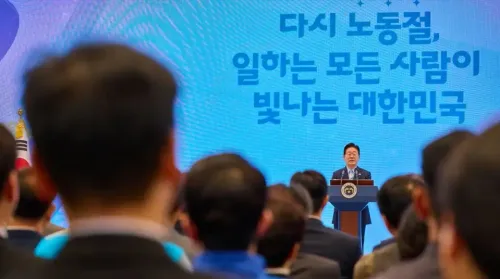
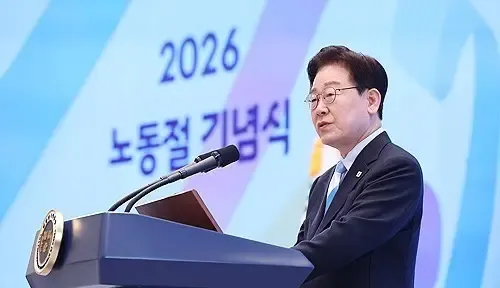
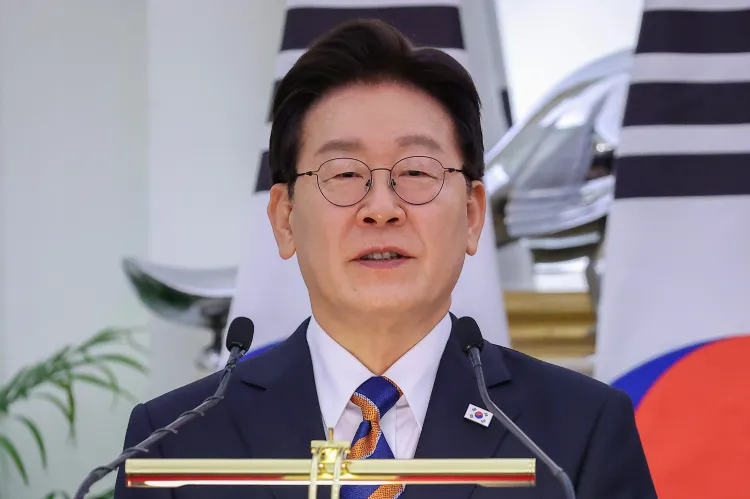
South Korean President Lee Jae Myung on Thursday, 30 April cautioned that excessive demands by unionised workers risk harming not just companies but fellow labourers themselves, calling for greater responsibility from labour organisations at a critical juncture for the country's industrial sector. His remarks, delivered during a meeting with senior aides at Cheong Wa Dae in Seoul, came directly ahead of Labour Day and amid a looming strike threat at Samsung Electronics.
What the President Said
"While companies should treat workers as valuable partners in corporate management, workers and labour unions must also have a sense of responsibility," Lee said, according to Yonhap News Agency. He went further, warning that unions perceived as making unfair or self-serving demands could face public backlash — damage that would ripple beyond the unions themselves. "If certain labour organisations face public outcry for excessive or unfair, self-serving demands, it would harm not only the unions themselves but other workers as well," he said, urging solidarity with fellow labourers.
Lee also tied his appeal to the broader disruption brought on by artificial intelligence. "At a time when the artificial intelligence transition is exposing the labour and industrial sectors to a fundamental change, there is a need for a spirit of coexistence and cooperation to overcome this critical challenge," he noted.
The Samsung Strike Threat
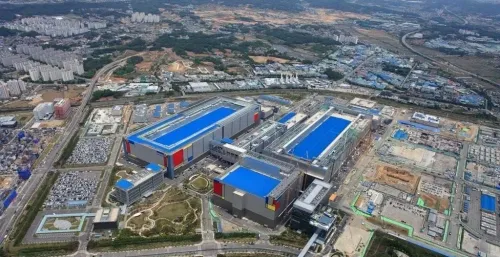
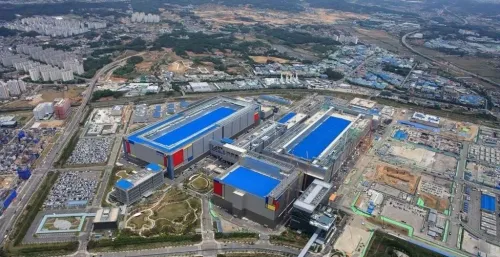
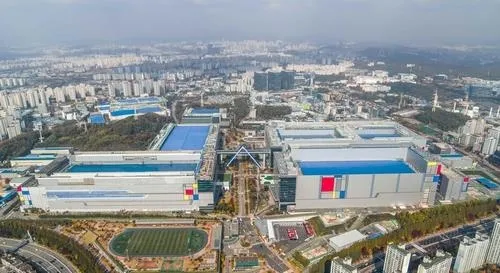
The immediate backdrop to Lee's remarks is a threatened 18-day general strike by a major labour union at Samsung Electronics Co., set to begin on 21 May. The union is demanding high bonuses proportionate to the company's record-high revenue. The timing is particularly sensitive: Samsung on Thursday reported that its first-quarter net profit surged more than fivefold to 47.22 trillion won, up from 8.22 trillion won a year earlier, driven by robust demand for high-end memory chips used in artificial intelligence (AI) applications.
Some analysts predict operating losses could reach as high as 10 trillion won (approximately USD 673.6 million) if the strike proceeds as planned — a figure that underscores the high stakes for one of South Korea's most strategically important corporations.
Labour Day and Broader Economic Concerns
Lee marked this year's first observance of Labour Day on Friday, 1 May as a statutory holiday, stressing the need for greater efforts to reduce labour market disparities and improve workplace safety. The designation of Labour Day as a statutory holiday is itself a symbolic gesture toward workers' rights, even as the president urged restraint from union leadership.
Separately, Lee flagged a macroeconomic concern: a sharp rise in producer prices last month that he warned could feed into consumer price increases within one to two months. He called on officials to make all-out efforts to stabilise consumer prices, identifying agricultural, livestock, and fishery products as well as logistics costs as areas requiring more targeted price stabilisation measures.
Why This Moment Matters
Lee's dual message — solidarity with workers, but accountability from unions — reflects the tightrope South Korea's new leadership is walking. The country's export-driven economy is navigating AI-era industrial transformation while managing domestic inflationary pressure and high-profile labour disputes at flagship conglomerates. Notably, this is not the first time Samsung has faced major union action; a 2024 strike at the company drew significant attention, signalling that labour tensions at South Korea's largest tech firm are becoming a structural concern rather than an isolated episode. How the Samsung union and management respond in the coming weeks will be closely watched as a bellwether for broader industrial relations in the country.
Point of View
But firm enough to signal that disruptive union action at flagship exporters like Samsung will not receive presidential cover. The irony is hard to miss: Samsung just posted a fivefold profit jump, giving the union a compelling headline figure to anchor its bonus demands. Lee's framing of AI-driven industrial change as a reason for labour restraint is also worth scrutinising — historically, appeals to 'solidarity in crisis' have been used to suppress legitimate wage claims. Whether his call for responsibility translates into mediation pressure or simply rhetorical distancing will determine its real impact.
NationPress
16 Sept 2026
Frequently Asked Questions
Why did South Korean President Lee Jae Myung warn labour unions?
President Lee warned that excessive or self-serving union demands could provoke public backlash and ultimately harm all workers, not just the unions involved. He made these remarks on 30 April ahead of Labour Day, with a major Samsung Electronics union threatening an 18-day strike.
What is the Samsung Electronics strike threat about?
A major labour union at Samsung Electronics has threatened an 18-day general strike beginning 21 May 2025, demanding high bonuses proportionate to the company's record revenues. Samsung reported a fivefold surge in Q1 net profit to 47.22 trillion won, driven by AI chip demand.
How much could the Samsung strike cost the company?
Some analysts predict operating losses could reach up to 10 trillion won, equivalent to approximately USD 673.6 million, if the strike proceeds as planned for 18 days starting 21 May.
What did President Lee say about consumer prices?
Lee warned that a sharp rise in producer prices last month could lead to consumer price increases within one to two months. He urged officials to intensify price stabilisation efforts, particularly for agricultural, livestock, fishery products, and logistics costs.
When was Labour Day first observed as a statutory holiday in South Korea?
Labour Day on 1 May 2025 was observed for the first time as a statutory holiday in South Korea, as noted by President Lee during his address to senior aides at Cheong Wa Dae.