Global Powers Applaud Libya's Unified Budget for 2026
Synopsis
The recent agreement on a unified national budget for Libya in 2026 is hailed by global powers as a crucial step towards restoring economic stability and political cohesion in the country. This landmark decision could reshape Libya's future amidst ongoing conflicts.
Key Takeaways
Libya's unified budget for 2026 is a vital step towards economic stability and political unity.
Support from global powers highlights the importance of international collaboration.
The budget aims to stabilize the dinar and enhance purchasing power for Libyan citizens.
Energy production is crucial for Libya's recovery, with oversight measures in place.
A strong economic framework is essential for advancing political processes.
Washington, April 18 (NationPress) The United States along with major global powers has endorsed Libya’s recent agreement on a consolidated national budget for 2026, labeling it a vital move towards enhancing economic collaboration, achieving stability, and fostering enduring political unity in the war-torn nation.
In a collaborative statement issued by Washington and nine other nations—including Egypt, France, Germany, Italy, Qatar, Saudi Arabia, Türkiye, the United Arab Emirates, and the United Kingdom—the signatories expressed their approval of the signing on April 11 of a consolidated 2026 budget for Libya, marking the first national budget the country has seen in over ten years.
They characterized this development as a significant breakthrough that could mend the divisions between competing authorities in Libya's eastern and western regions. “We commend their constructive approach to achieving this agreement, which holds promise for enhanced unity, stability, and prosperity for Libya,” the statement articulated.
The unified budget is anticipated to be instrumental in stabilizing Libya’s precarious economy. According to the joint statement, “The full execution of the unified budget will bolster Libya’s financial stability, enhance the value of the dinar, and protect the purchasing power of the Libyan populace.”
Moreover, it stated that the agreement would “facilitate the execution of developmental projects and attract international investment throughout Libya,” while also reinforcing crucial state entities, such as the Central Bank of Libya, the National Oil Corporation, and the Libyan Audit Bureau.
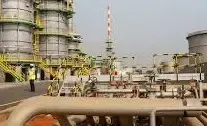
Energy production is central to Libya’s recovery efforts. The statement highlighted that the budget encompasses “the National Oil Corporation’s first operational budget in several years and funding aimed at increasing energy output.” It also emphasized the inclusion of “oversight measures to ensure effective utilization of these funds.”
The signatories reiterated that enhancing Libya’s oil and gas production would yield broader implications extending beyond its borders.
“Heightened oil and gas output will lead to greater prosperity for the Libyan populace and their international partners, contributing to regional and global energy security,” the statement noted.
In tandem with economic initiatives, the joint statement stressed the necessity for a concurrent political process. The nations reaffirmed their support for the United Nations Support Mission in Libya and its strategic roadmap.
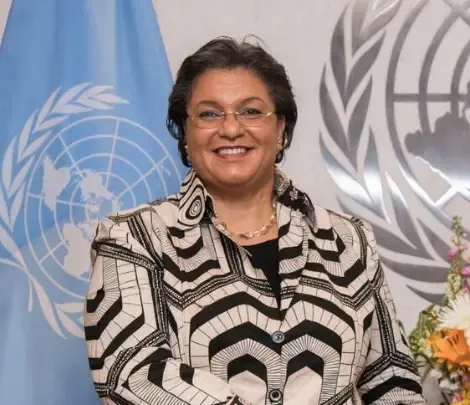
“We reiterate our support for the United Nations Support Mission in Libya (UNSMIL) and the roadmap devised by UN Special Representative of the Secretary-General, Hanna Tetteh,” it noted.
They urged Libyan stakeholders to leverage the UN-led framework to progress towards elections and unified governance.
“We call upon all stakeholders to utilize this roadmap and UNSMIL facilitation to propel a Libyan-led political process towards unified governance and national elections,” the statement added.
The governments also emphasized the connection between economic and political stability.
“Increased economic integration will complement and fortify the political process,” the statement concluded, adding that “a robust and flourishing Libya with unified economic, military, and political institutions serves the interests of all parties involved.”
Since the 2011 uprising that resulted in the overthrow of long-time leader Muammar Gaddafi, Libya has remained politically fragmented. Rival administrations in the east and west have vied for control over state institutions and oil revenues, often with the backing of foreign powers.
Point of View
Libya's recent agreement on a unified budget is a promising development that could lead to much-needed economic recovery and political unity. The support from global powers underscores the importance of international collaboration in stabilizing a nation still reeling from years of conflict. The potential for enhanced governance and development projects presents an optimistic outlook for the Libyan people.
NationPress
18 Sept 2026
Frequently Asked Questions
What is the significance of Libya's unified budget for 2026?
The unified budget is considered a critical step towards economic coordination, stability, and political unity in Libya, marking the first national budget in over a decade.
Which countries have supported Libya's budget agreement?
The United States, Egypt, France, Germany, Italy, Qatar, Saudi Arabia, Türkiye, the United Arab Emirates, and the United Kingdom are among the nations that have supported the agreement.
How will the unified budget impact Libya's economy?
It is expected to stabilize Libya's economy, enhance the value of the dinar, protect purchasing power, and facilitate development projects and international investments.
What role does energy production play in Libya's recovery?
Energy production is central to Libya's recovery, with the budget including plans for the National Oil Corporation to increase production and provide oversight on funding.
What is the connection between economic and political stability in Libya?
The statement emphasizes that increased economic integration will complement political processes, leading to a stronger and more unified governance structure.