Is Brazil's Lula Right to Criticize Trump for His Social Media Influence?
Synopsis
Brazil's President Lula has sharply criticized Trump for attempting to control global narratives through social media. Highlighting the dangers of digital communication, Lula calls for a return to humanism in interactions. His remarks come amid ongoing tensions regarding U.S. military actions in Venezuela and Trump's controversial political maneuvers.
Key Takeaways
Lula critiques Trump's use of social media for global influence.
Human interactions are being compromised by digital communication.
Housing program aims to benefit thousands in Brazil.
Lula advocates for reducing cell phone usage in schools.
Recent U.S. military actions in Venezuela draw Lula's condemnation .
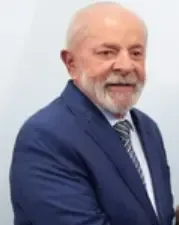
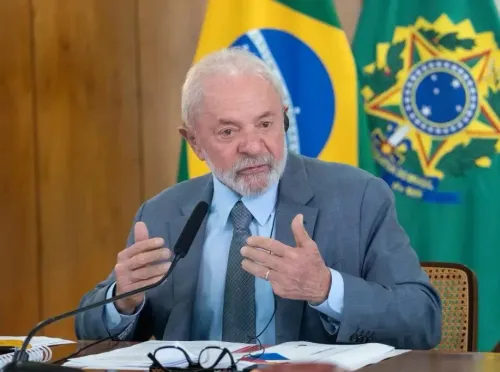
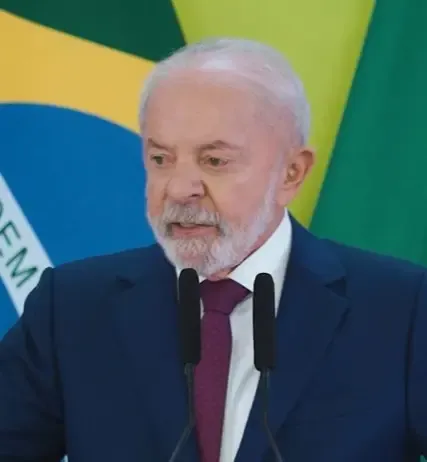
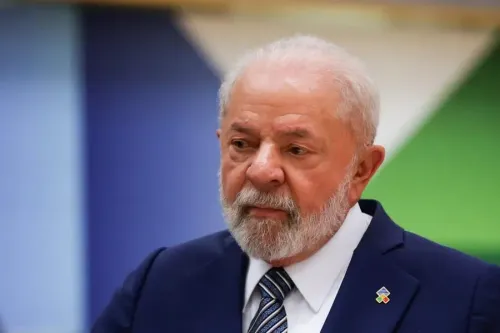
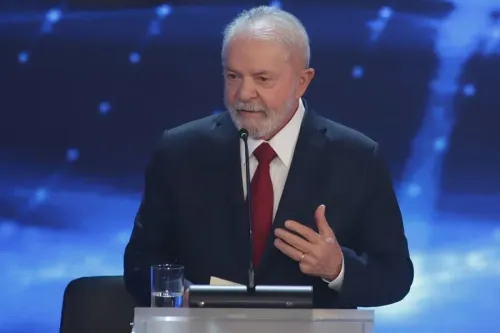
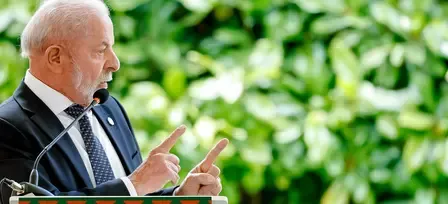
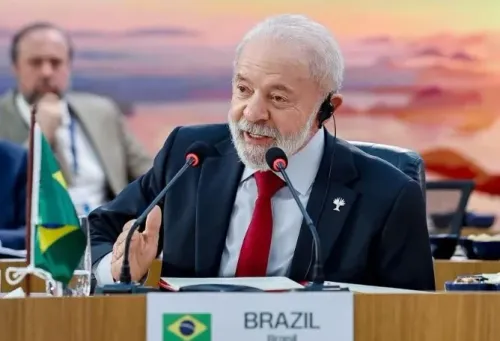
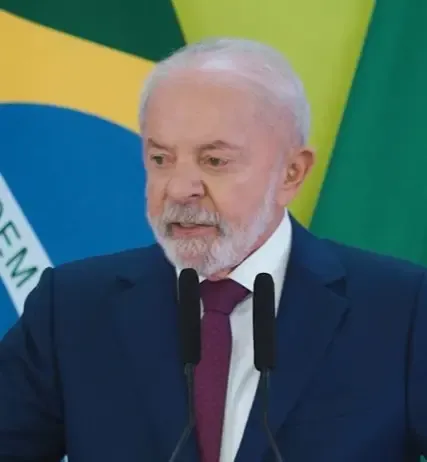
São Paulo, Jan 21 (NationPress) The President of Brazil, Luiz Inácio Lula da Silva, has openly criticized the President of the United States, Donald Trump, for what he perceives as an attempt to "control the world" via social media platforms.
"Have you noticed how Trump aims to dominate the globe through Twitter?" Lula remarked during a public gathering in Rio Grande, located in Brazil's southern region of Rio Grande do Sul, as reported by Xinhua news agency.
"He makes contradictory statements every day. That’s simply unfeasible. How can we treat individuals with dignity when we don’t engage with them face-to-face? Reducing them to mere objects instead of recognizing their humanity?" he further expressed.
During an event that celebrated the handover of 1,276 homes—part of a housing initiative expected to aid around 5,000 individuals in southern Brazil—Lula referenced Trump while emphasizing the importance of reviving humanistic values in social interactions.
He also called on citizens to minimize their reliance on mobile devices and advocated for his policy introduced in 2024, which aims to prohibit their use in elementary and middle schools.
As of yet, Brazil's leader has not issued a public response to Trump's invitation to join the so-called "Board of Peace", which is tasked with monitoring the situation in the Gaza Strip.
In the conclusion of his address, Lula encouraged the audience to limit their engagement with social media and focus on nurturing personal connections.
Previously, Lula had condemned recent U.S. military actions in Venezuela, cautioning that unilateral military interventions undermine international law and jeopardize global stability.
In an opinion piece published in The New York Times, Lula stated that the U.S. bombings in Venezuela and the apprehension of its president on January 3 marked “another regrettable chapter in the ongoing deterioration of international law and the multilateral order established post-World War II.”
Point of View
Lula's comments reflect growing tension in global leadership dynamics. While his critique of Trump underscores a significant concern about the influence of social media on politics, it also highlights the broader issue of how leaders engage with their constituents in the digital age. This discourse is essential for understanding the evolving nature of international relations.
NationPress
12 Oct 2026
Frequently Asked Questions
What did Lula criticize Trump for?
Lula criticized Trump for trying to 'rule the world' through social media, particularly Twitter, suggesting it undermines respect for individuals.
What housing initiative did Lula discuss?
Lula discussed a housing initiative that aims to benefit approximately 5,000 people by handing over 1,276 homes.
What is Lula's stance on cell phone use in schools?
Lula advocates for banning cell phone use in elementary and middle schools to encourage more meaningful personal interactions.
How did Lula respond to U.S. military actions in Venezuela?
Lula condemned recent U.S. military actions in Venezuela, warning that such unilateral use of force threatens international law and global stability.
What was Lula's opinion on the U.S. bombings in Venezuela?
Lula described the U.S. bombings in Venezuela as a regrettable chapter in the erosion of international law and multilateral order.