Macron Praises Iran's Move to Reopen Hormuz Strait
Synopsis
In a recent conference, French President Emmanuel Macron commended Iran's decision to reopen the Strait of Hormuz, viewing it as a step in the right direction for maritime security. Leaders from various nations gathered to discuss strategies for ensuring safe navigation in this crucial waterway.
Key Takeaways
Macron supports Iran's decision to reopen the Strait of Hormuz .
International leaders convened to discuss maritime safety .
A neutral mission will be established to ensure the strait's accessibility.
Multinational support for defensive operations is forthcoming.
Safety measures are crucial for shipping in the region.
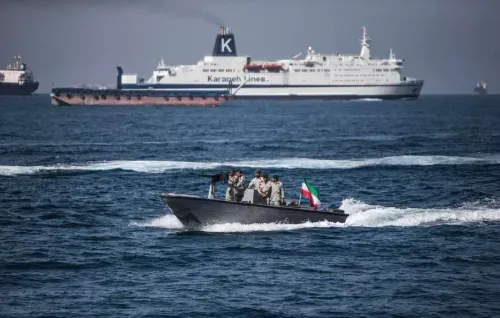
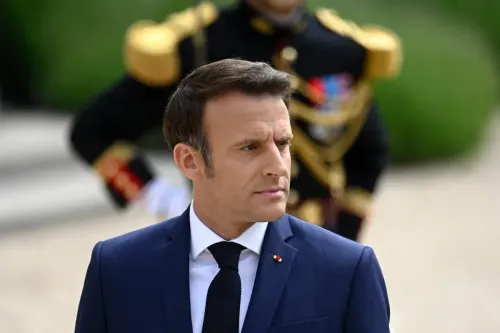
Paris, April 18 (NationPress) French President Emmanuel Macron remarked that Iran's declaration regarding the reopening of the Strait of Hormuz signifies a positive step forward.
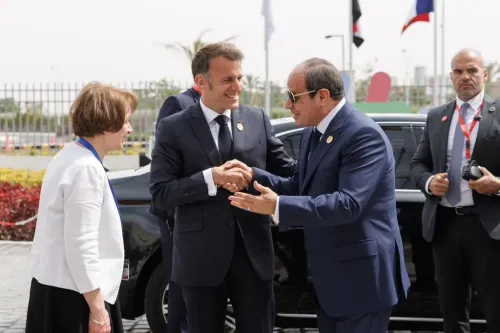
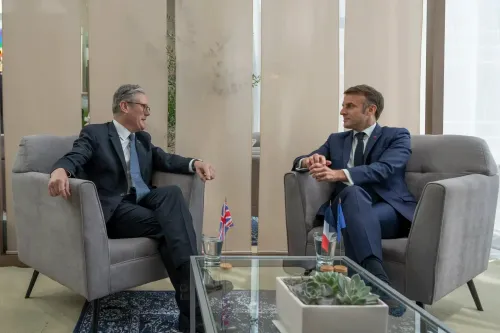
These comments were made during a joint statement after a conference co-organized by France and Britain in Paris on Friday (local time), which convened representatives from 49 nations to deliberate on ensuring the freedom of navigation in the Strait of Hormuz.
Notable attendees included British Prime Minister Keir Starmer, German Chancellor Friedrich Merz, and Italian Prime Minister Giorgia Meloni, with officials from various regions including Europe, Asia, Latin America, and the Middle East participating via video link, according to reports from Xinhua News Agency.
Macron welcomed the ceasefire developments in Iran and Lebanon, labeling it a significant advancement. However, he emphasized the importance of remaining alert.
"We all stand against any limitations or agreements that could effectively serve to privatize the strait or establish a toll system," he stated.
Additionally, he announced the establishment of an independent, neutral mission aimed at ensuring the continuous accessibility of the Strait of Hormuz, mentioning a planning meeting set for the following week in London.
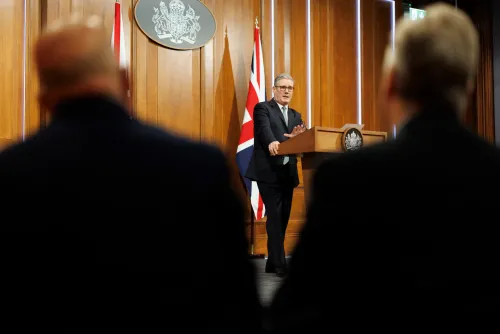
Starmer expressed optimism about the potential resumption of negotiations leading to a sustainable agreement.
He indicated that France and Britain would spearhead a multinational initiative to protect maritime operations as soon as conditions permit, highlighting that the mission would focus on defensive measures and support for mine-clearing efforts.
Starmer noted that approximately a dozen countries are prepared to contribute military resources to this defensive operation.
Meloni stressed the necessity of eliminating mines to ensure the safety of vessels navigating the strait, confirming Italy's readiness to deploy its naval forces in a strictly defensive capacity.
Merz stated that Germany would engage in ongoing military planning discussions and expressed a desire for United States participation, if feasible.
Point of View
A critical maritime route. The collaborative efforts among nations signify a commitment to maintaining peace and security in a region often plagued by tension. As nations work together, the focus remains on ensuring safe passage for maritime operations.
NationPress
19 Sept 2026
Frequently Asked Questions
What did Macron say about the Strait of Hormuz?
Macron stated that Iran's announcement of reopening the Strait of Hormuz is a positive step forward.
Which leaders attended the conference?
Leaders such as British Prime Minister Keir Starmer, German Chancellor Friedrich Merz, and Italian Prime Minister Giorgia Meloni were present at the conference.
What is the purpose of the independent mission announced by Macron?
The mission aims to ensure the openness of the Strait of Hormuz and to maintain maritime security.
How many countries are ready to support the defensive mission?
Around a dozen countries have expressed readiness to contribute assets to the defensive mission.
What did Meloni emphasize regarding maritime safety?
Meloni highlighted the need to eliminate mines to ensure the safety of vessels transiting through the strait.