Mali's Goita vows ops until all April 25 attack groups are neutralised
Synopsis
Mali's transitional president Assimi Goita has vowed to hunt down every group behind the April 25 multi-city attacks — strikes that killed the sitting Defence Minister and hit five cities simultaneously. With the government calling it a coordinated destabilisation plan backed by internal and external actors, Mali's fragile transition faces its most severe security test in years.
Key Takeaways
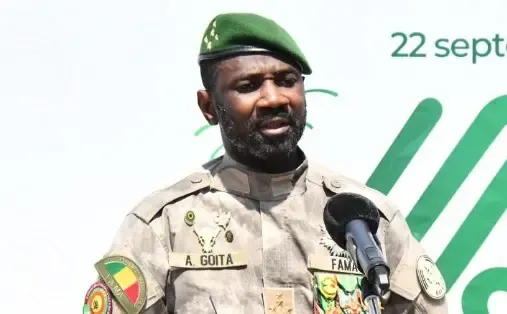
Transitional president Assimi Goita vowed on Tuesday that operations will continue until all groups behind the April 25 attacks are neutralised.
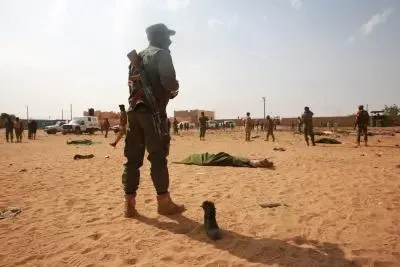
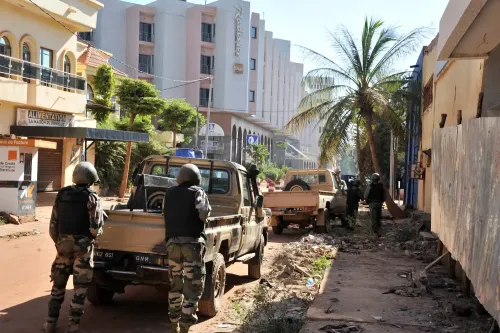
Attacks were described as "complex, coordinated and simultaneous," targeting Bamako , Kati , Mopti , Gao , and Kidal .
Defence Minister Gen.
Sadio Camara was killed in the attacks, described by Goita as "an immense loss for the Malian nation." Prime Minister Abdoulaye Maiga said the attacks aimed to seize power and dismantle republican institutions, but stated these objectives had failed.
Goita warned that disinformation could become "a weapon in the service of terrorists" and urged citizens to resist rumours and panic.
Security deployments have been reinforced; sweeping and intelligence-gathering operations are ongoing across affected regions.
Mali's transitional president Assimi Goita on Tuesday declared that military and security operations would continue until all groups responsible for the April 25 attacks are neutralised and lasting security is restored across the country. Speaking in a televised address to the nation at 8 pm local time, Goita described the coordinated strikes on multiple Malian cities as part of a broader destabilisation campaign backed by internal and external actors.
Attacks Described as Coordinated and Simultaneous
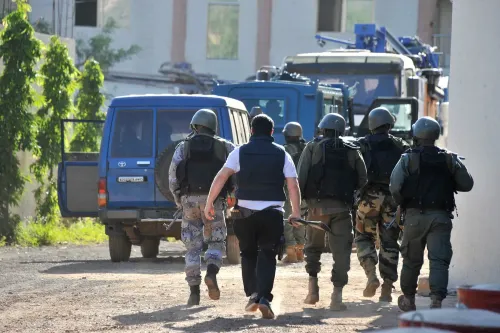
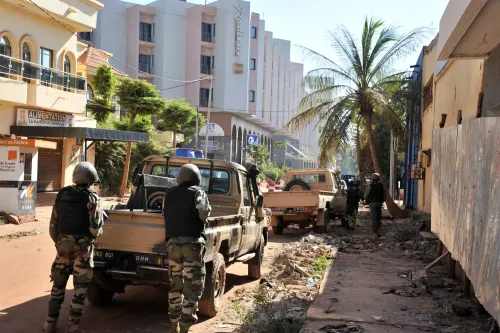
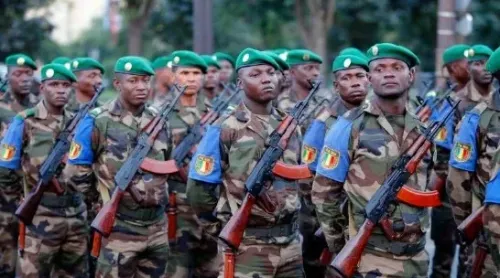
Goita characterised the April 25 assaults as "complex, coordinated and simultaneous," targeting the cities of Bamako, Kati, Mopti, Gao, and Kidal. He said the assailants had sought to create "a climate of generalised violence" across the affected localities. According to Goita, the attackers were dealt a heavy blow owing to the prompt response and professionalism of Mali's defence and security forces.
The head of state confirmed that security deployments had been reinforced, the situation was under control, and that sweeping, search, intelligence-gathering, and security operations were ongoing.
Tribute to Fallen Defence Minister
In a solemn moment during the address, Goita paid tribute to Mali's Defence Minister Gen. Sadio Camara, who was killed in the attacks, describing his passing as "an immense loss for the Malian nation." He expressed condolences to bereaved families and sympathy to the wounded, while instructing the government to take all necessary measures to strengthen assistance to victims, support affected families, and care for the injured.
The death of a sitting defence minister in a coordinated terrorist assault marks a severe escalation in the security crisis gripping Mali, a country that has faced persistent jihadist violence and political instability for over a decade.
Government Labels Attacks a Destabilisation Plan
Goita stated the attacks were part of "a vast destabilisation plan" devised and executed by terrorist armed groups and their internal and external backers. He called on Malians to remain vigilant, trust the defence and security forces, and resist rumours, panic messages, and manipulation. He warned that disinformation could itself become "a weapon in the service of terrorists."
Malian Prime Minister Abdoulaye Maiga, speaking at a press briefing on Monday, said the April 25 attacks were not isolated incidents but were aimed at "seizing power, dismantling the country's republican institutions, and ending the transition process." Maiga said Mali's military had delivered a "forceful response," reportedly neutralising hundreds of terrorists across the country.
Security Posture and Lessons Ahead
Prime Minister Maiga acknowledged that the asymmetric nature of terrorist threats requires Mali to continuously adapt its security arrangements. He said lessons must be drawn from the April 25 attacks, with effective measures reinforced and necessary adjustments made to enhance security going forward.
This is among the most serious multi-city terrorist strikes Mali has faced in recent years, and with security operations still active across several regions, the full scale of casualties and damage is yet to be officially confirmed. The coming days will test both the military's capacity to contain residual threats and the transitional government's ability to maintain political cohesion under pressure.
Point of View
Multi-city strike is not a routine terrorist incident — it is a direct assault on the command structure of a transitional government already under enormous strain. Goita's televised vow to neutralise all groups involved is politically necessary, but the harder question is whether Mali's military, still reorganising after years of jihadist pressure and two coups, has the operational depth to deliver on it. The government's framing of 'internal and external backers' also signals a potential diplomatic escalation, likely aimed at regional neighbours and possibly former colonial partner France, with whom relations have collapsed. What mainstream coverage risks missing is the significance of the Kidal target — a city long contested between the state and separatist-aligned groups — which suggests this attack may have been as much about reigniting ethnic and political fault lines as about pure jihadist violence.
NationPress
16 Sept 2026
Frequently Asked Questions
What happened in Mali on April 25?
Coordinated and simultaneous terrorist attacks struck multiple Malian cities — Bamako, Kati, Mopti, Gao, and Kidal — on April 25. The strikes killed Defence Minister Gen. Sadio Camara along with other civilian and military victims, and left others wounded.
Who is Assimi Goita and what did he say about the attacks?
Assimi Goita is Mali's transitional president and supreme commander of the armed forces. In a televised address on Tuesday, he vowed that security operations would continue until all groups involved in the April 25 attacks are neutralised, and warned citizens against disinformation.
Why does the Malian government consider the attacks significant?
Prime Minister Abdoulaye Maiga said the attacks were not isolated incidents but were aimed at seizing power, dismantling republican institutions, and ending Mali's political transition process. The government described them as part of a vast destabilisation plan backed by internal and external actors.
What is the current security situation in Mali following the attacks?
According to President Goita, the situation is under control, with security deployments reinforced and sweeping, search, intelligence-gathering, and security operations continuing across affected areas. Hundreds of terrorists have reportedly been neutralised by Mali's military.
Who was Gen. Sadio Camara and why does his death matter?
Gen. Sadio Camara was Mali's Defence Minister, killed in the April 25 attacks. President Goita described his death as an immense loss for the Malian nation. The killing of a sitting defence minister in a coordinated assault represents a severe escalation in the country's security crisis.