Medvedev: Russia has no aggressive intentions towards Europe
Synopsis
Dmitry Medvedev insists Russia holds no aggressive designs on Europe — but in the same breath warns that Europe's own war rhetoric could trigger the very conflict it fears. The remarks land just as the EU rolls out its 20th sanctions package and €90 billion Ukraine loan, underscoring how wide the trust gap between Moscow and Brussels has grown.
Key Takeaways
Dmitry Medvedev said on 30 April that Russia has no "aggressive intentions" towards European nations, speaking at the 'Knowledge First' federal educational marathon.
He warned that if leaders "repeat every day that war is inevitable, then it will eventually begin," urging global lawmakers to pursue "constructive negotiations." The EU Council adopted its 20th sanctions package against Russia last week, adding 120 individual listings and targeting sectors fuelling Russia's military campaign.
EU High Representative Kaja Kallas confirmed a €90-billion loan for Ukraine alongside the new sanctions, warning Russia's "war economy is under growing strain." European Commission President Ursula von der Leyen previously described Russian drone incursions as a "coherent and escalating" hybrid warfare campaign against Europe.
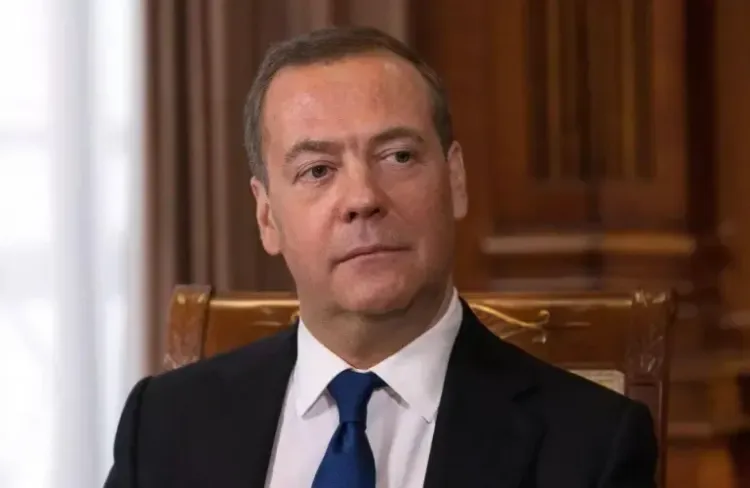
Dmitry Medvedev, Deputy Chairman of the Russian Security Council, said on Thursday, 30 April that Moscow harbours no "aggressive intentions" towards European nations, even as he warned that repeated talk of inevitable war could become a self-fulfilling prophecy. The remarks, made at the 'Knowledge First' federal educational marathon in Russia, were reported by Tass, Russia's leading state news agency.
What Medvedev Said
Speaking at the marathon, Medvedev — a former President and Prime Minister of Russia — stated, "As for Europe, we have no aggressive intentions. But nevertheless, this flywheel keeps rotating, an enormous number of weapons are manufactured, and almost all the leaders of Europe, including the major states, keep saying that 'we do understand everything, we need to be ready to repel the aggression, the war is inevitable.'"
He added, "You all do understand where this road leads to, no matter how unfortunate it sounds." Medvedev further cautioned that "if someone repeats every day that the war is inevitable, then it will eventually begin," urging global lawmakers to "cool down and try to get onto the path of constructive negotiations," according to Tass.
The EU's Escalating Sanctions Pressure
Medvedev's remarks come just days after the European Union (EU) Council adopted its 20th package of restrictive measures against Russia, comprising 120 further individual listings and expanded economic sanctions targeting key sectors that fund Russia's military campaign against Ukraine. The EU stated the package aims to cripple Russia's economy and war machine while demonstrating its "unwavering support for Ukraine and its people."
Kaja Kallas, the EU's High Representative for Foreign Affairs and Security Policy, said, "On top of the €90-billion loan for Ukraine, we have also adopted the 20th sanctions package. The EU will provide Ukraine with what it needs to hold its ground while we inhibit those enabling Russia's illegal aggression. Russia's war economy is under growing strain, while Ukraine is getting a major boost. We must keep up this pressure until Putin understands his war leads nowhere."
Europe's Hybrid Warfare Concerns
The EU has maintained a posture of sanctions and financial support for Kyiv since the conflict between Moscow and Kyiv began in 2022. In October, European Commission President Ursula von der Leyen warned that Europe faces "hybrid warfare," citing drone incursions and airspace violations. She described these incidents as a "deliberate and targeted grey zone campaign against Europe" — not random harassment, but a "coherent and escalating campaign" designed to unsettle populations, test resolve, divide the EU, and weaken its support for Ukraine.
The Broader Stakes
This is the latest in a series of statements from senior Russian officials seeking to reframe Moscow's posture as defensive while European capitals accelerate defence spending and rearmament. Notably, Medvedev's remarks contrast sharply with the EU's characterisation of Russia's conduct as an "illegal aggression" and a systematic campaign against civilian infrastructure in Ukraine. With the 20th sanctions package now in force and EU military aid continuing to flow to Kyiv, the gap between Moscow's stated intentions and Brussels' threat assessment shows little sign of narrowing. Whether either side moves toward the "constructive negotiations" Medvedev called for remains the central question shaping European security in the months ahead.
Point of View
The EU's 20th sanctions package signals that Brussels is not buying the reassurance. The real question is whether either side has a credible off-ramp — and right now, neither appears to be building one.
NationPress
19 Sept 2026
Frequently Asked Questions
What did Dmitry Medvedev say about Russia's intentions towards Europe?
Medvedev said on 30 April that Russia has no 'aggressive intentions' towards European nations. Speaking at the 'Knowledge First' educational marathon, he warned that repeated European assertions that war is inevitable could themselves trigger a conflict.
What is the EU's 20th sanctions package against Russia?
The EU Council adopted its 20th package of restrictive measures against Russia, comprising 120 further individual listings and expanded economic sanctions targeting sectors that fund Russia's military campaign in Ukraine. It was accompanied by a €90-billion loan to Ukraine.
Who is Dmitry Medvedev?
Dmitry Medvedev is the Deputy Chairman of the Russian Security Council and a former President and Prime Minister of Russia. He is one of the most senior figures in the Russian government and a close ally of President Vladimir Putin.
What did Kaja Kallas say about the sanctions?
EU High Representative Kaja Kallas said the 20th sanctions package, combined with a €90-billion loan, is designed to strain Russia's war economy while boosting Ukraine. She stated pressure must continue 'until Putin understands his war leads nowhere.'
What has the EU said about Russian hybrid warfare?
European Commission President Ursula von der Leyen said in October that Europe faces 'hybrid warfare' from Russia, citing drone incursions and airspace violations. She described these as a 'coherent and escalating campaign' to divide the EU and weaken support for Ukraine.