Melania Trump Unveils White House Beehive, Honey Output to Rise 30 lbs
Synopsis
Melania Trump unveiled a White House-shaped beehive on the South Lawn, adding 2 bee colonies to the existing programme. Annual honey production is set to rise by 30 lbs, supporting White House kitchens, official gifts, and food charities — continuing a bipartisan tradition started in 2009 by a White House carpenter.
Key Takeaways
Melania Trump unveiled a new White House-shaped beehive on the South Lawn on April 25, 2025 .
The hive adds two new bee colonies to the existing two, expanding the White House honey programme .
Annual honey production is projected to increase by 30 pounds , reaching up to 255 pounds or more in peak years.
The honey supports White House culinary use , serves as official diplomatic gifts , and is donated to local food kitchens .
The hive was hand-crafted by a local Virginia artisan and funded by the Trust for the National Mall .
The beekeeping programme dates to 2009 , started by White House carpenter Charlie Brandt , and has continued across multiple administrations.
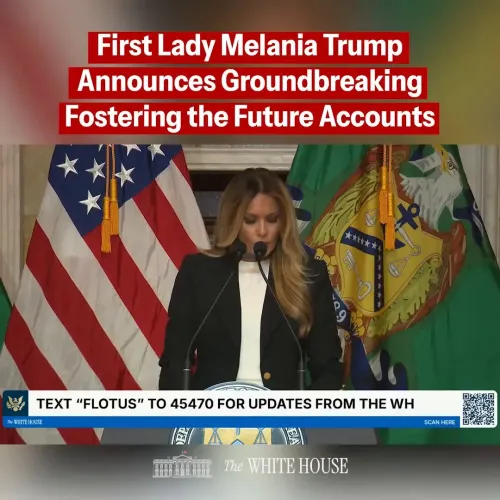
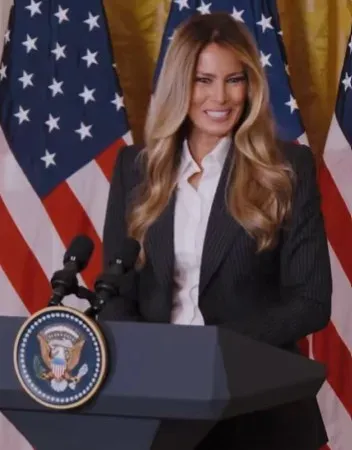
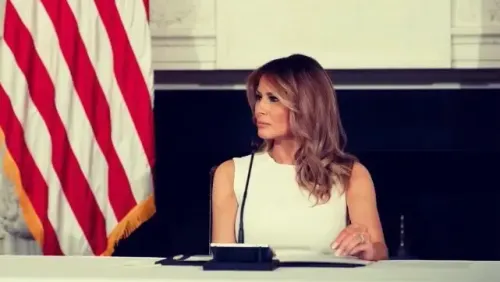
Washington, April 25: US First Lady Melania Trump on Friday, April 25, officially unveiled a newly installed, architecturally crafted beehive on the South Lawn of the White House, marking a significant expansion of the long-standing White House honey programme. The hand-crafted hive, modelled after the White House itself, introduces two additional bee colonies to the existing setup and is projected to boost annual honey output by approximately 30 pounds. The initiative reinforces the White House's commitment to sustainability, culinary excellence, and community giving.
New Hive Design and Colony Expansion
The newly unveiled beehive is no ordinary structure — it was designed by Executive Residence staff and hand-crafted by a local Virginia artisan, with its architectural form mirroring the iconic silhouette of the White House itself. This bespoke craftsmanship reflects both aesthetic intent and a deeper symbolic connection to the residence it serves.
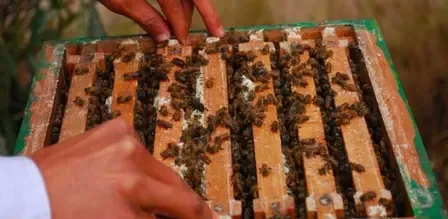
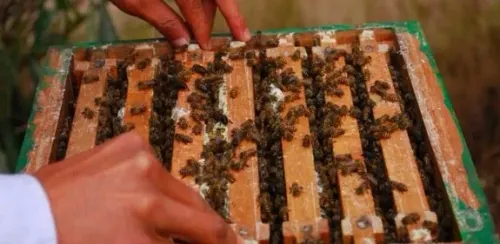
The new hive will house two fresh bee colonies, supplementing the two existing colonies already active on the South Lawn. According to the Office of the First Lady, this expansion is expected to push peak annual honey production from the current range of 200–225 pounds to an estimated 230–255 pounds or more during productive seasons. During peak summer months alone, the combined colonies could sustain a bee population of nearly 70,000 bees.
Culinary, Gifting, and Charitable Applications
The additional honey yield is earmarked for multiple purposes within and beyond the White House. White House chefs use the signature honey — noted for its "light clover and basswood flavour with a subtle hint of citrus" — to sweeten teas, prepare salad dressings, and craft desserts served at official functions.
Beyond the kitchen, the honey serves as a distinctive official gift from the President and the First Lady to dignitaries and guests. A portion is also donated to local food kitchens, reinforcing the programme's charitable dimension. The expanded output means all three of these uses — culinary, diplomatic gifting, and food charity — will benefit from greater supply.
Environmental and Pollination Impact
The beehive expansion is not merely a production exercise — it carries meaningful environmental significance. The colonies actively support pollination across critical green spaces surrounding the White House, including the White House Kitchen Garden, the Flower Cutting Garden, and vegetation stretching to the National Mall.
This ecological role places the beehive programme at the intersection of urban biodiversity and institutional sustainability — a model that, notably, has been maintained across multiple administrations since its inception. The programme's continuity across different political tenures underscores its value as a non-partisan environmental initiative.
Educational Feature for South Lawn Visitors
The new installation also introduces a public-facing educational dimension. Officials confirmed that the hive will offer visitors to the South Lawn the opportunity to observe a working bee colony up close and learn about pollination, beekeeping, and food production in a real-world setting.
This educational angle aligns with broader trends in experiential learning about food systems and sustainable agriculture — topics that have gained traction globally as awareness of pollinator decline and food security grows. The White House, as one of the most visited and watched residences in the world, lends significant visibility to these issues.
Programme History and Institutional Continuity
The White House beekeeping programme traces its origins to 2009, when White House carpenter Charlie Brandt introduced beekeeping to the South Grounds. What began as a personal initiative by a staff member has since evolved into a structured, institutionally supported programme that has outlasted multiple administrations — a rare example of quiet, non-political continuity within one of the world's most politically charged residences.
The programme is overseen by White House Chief Horticulturist Dale Haney and a team of local apiarists, who manage the colonies in coordination with the broader horticultural efforts of the South Grounds. The latest expansion was funded through the Trust for the National Mall, a non-profit partner that has historically supported conservation and beautification projects tied to the National Mall and its surrounding landmarks.
Notably, the programme's survival across administrations — from Barack Obama to Donald Trump's first term, through Joe Biden, and now into Trump's second term — signals that the White House honey initiative has transcended political identity to become part of the residence's institutional character. As the expanded hive becomes operational, observers will watch whether annual production targets are met and whether the educational component draws meaningful public engagement during South Lawn events.
Point of View
But it reveals something more substantive: institutional continuity in an era defined by political rupture. A programme born under Obama, sustained through Trump's first term, Biden, and now Trump's second, suggests that some White House traditions quietly outlast the ideological battles fought within its walls. More pointedly, Melania Trump's choice to expand an environmentally oriented initiative — pollination support, sustainable honey production, food charity — sits in tension with her husband's administration's broader rollback of environmental regulations. Whether intentional or incidental, the beehive expansion offers a rare moment of ecological messaging from a White House not typically associated with green priorities.
NationPress
17 Sept 2026
Frequently Asked Questions
What did Melania Trump unveil at the White House in April 2025?
Melania Trump unveiled a new, hand-crafted beehive on the South Lawn of the White House on April 25, 2025. The hive, designed to resemble the White House, adds two new bee colonies to the existing honey programme.
How much honey does the White House produce annually?
The existing two White House bee colonies produce between 200 and 225 pounds of honey annually during peak summer months. With the new hive, production is expected to rise to 230–255 pounds or more per year.
When did the White House beekeeping programme begin?
The White House beekeeping programme began in 2009, initiated by White House carpenter Charlie Brandt. It has since grown into a structured programme overseen by Chief Horticulturist Dale Haney and local apiarists.
How is White House honey used?
White House honey is used by chefs to sweeten teas, prepare salad dressings, and craft desserts. It also serves as an official gift from the President and First Lady, and is donated to local food kitchens.
Who funded the new White House beehive expansion?
The new beehive expansion was funded through the Trust for the National Mall, a non-profit organisation that supports conservation and beautification projects linked to the National Mall and surrounding landmarks.