Merz says Trump ties remain strong despite Iran war rhetoric clash
Synopsis
Germany's Chancellor Merz publicly called the US engagement in Iran 'planless' and said Washington is being 'humiliated' — then turned around and said his ties with Trump are still good. With Brent crude above $107 and the Strait of Hormuz under a US blockade, the transatlantic alliance is under strain in ways that go well beyond rhetoric.
Key Takeaways
German Chancellor Friedrich Merz said on 30 April that his personal ties with US President Donald Trump remain good despite sharp public disagreements over Iran.
Merz called the US military engagement in Iran "planless" and said Washington is being "humiliated by the Iranian leadership." Trump responded on social media, saying Merz "doesn't know what he's talking about." Israel and the US launched joint strikes on Iran on 28 February , killing then Supreme Leader Ali Khamenei ; a ceasefire was reached on 8 April but Iran-US talks in Islamabad collapsed.
Brent crude has climbed above $107 per barrel amid disruptions to the Strait of Hormuz .
Germany has offered to help secure the Strait but will only participate after all combat operations cease.
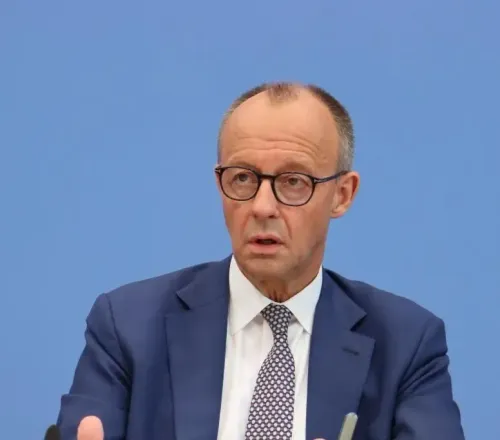
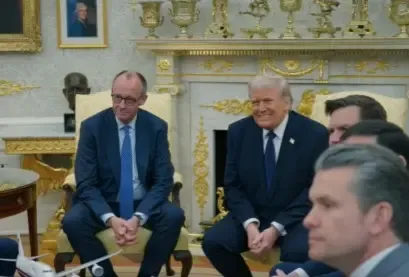
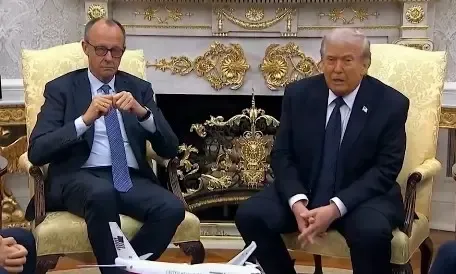
German Chancellor Friedrich Merz on Wednesday, 30 April said his personal relationship with US President Donald Trump remains intact despite a sharp public exchange over Washington's military engagement in Iran. Speaking at a press conference in Berlin, Merz said the two leaders are still "on good speaking terms," even as he voiced deep scepticism about the United States' conduct of the war.
What Merz Said
Merz, addressing reporters in Berlin, said he had doubts "from the beginning" about the actions initiated with the war in Iran. He called for a swift resolution to the conflict, noting that Germany and Europe are "suffering considerably" from its consequences, according to Xinhua news agency.
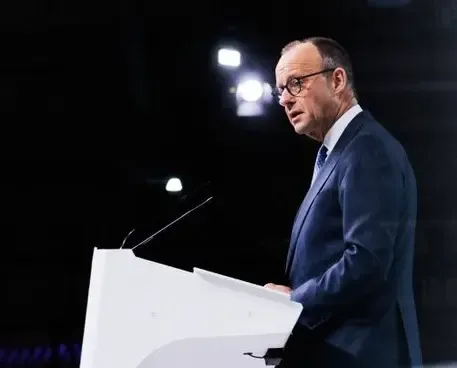
Earlier this week, Merz had criticised the United States for what he described as a "planless" military engagement, saying Washington "is being humiliated by the Iranian leadership." Speaking at the Carolus-Magnus-Gymnasium school in Marsberg, North Rhine-Westphalia, Merz was quoted by German magazine Spiegel as saying the United States "obviously went into this war without any strategy," adding that "the Iranian side is negotiating highly skillfully."
"The problem with such conflicts is always: you don't just have to go in, you also have to get out," Merz said.
Trump Fires Back on Social Media
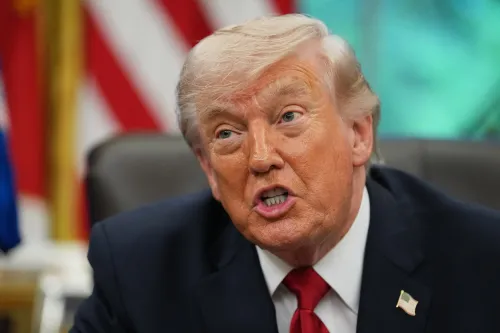
Trump responded sharply on Tuesday, writing on social media that Merz "doesn't know what he's talking about" and is indifferent to Iran's nuclear ambitions. The public spat between the two leaders marks one of the most visible transatlantic rifts since the Iran conflict began.
Background: How the Iran War Began
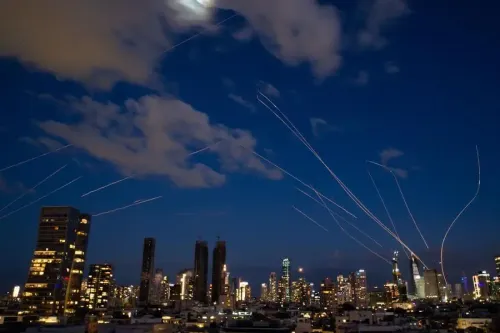
On 28 February, Israel and the United States launched joint attacks on Tehran and other Iranian cities, reportedly killing Iran's then Supreme Leader Ali Khamenei, senior commanders, and civilians. Iran responded with waves of missile and drone strikes targeting Israel and US interests across the Middle East, while tightening control over the Strait of Hormuz — a critical global artery for oil and gas shipments.
A ceasefire was achieved on 8 April, but subsequent talks between Iran and the United States in Islamabad, Pakistan failed to produce an agreement. The United States subsequently imposed its own blockade on the waterway. The disruptions have sharply driven up energy prices, with Brent crude climbing above $107 per barrel on Monday.
Germany's Offer and Its Conditions
Merz reiterated Germany's offer to help secure the Strait of Hormuz and restore global oil supply chains. However, he stressed that Germany will only participate once all combat operations have ceased — a significant condition given the ongoing US blockade and unresolved Iran-US negotiations.
With energy markets rattled and diplomatic channels strained, the coming weeks will test whether the transatlantic relationship can withstand both the war's economic fallout and the increasingly public disagreements between Berlin and Washington.
Point of View
With the Strait of Hormuz under blockade and Brent crude above $107, could tip the continent into an energy crisis it is ill-equipped to absorb. The fact that Trump's response was a social media broadside rather than a diplomatic call says something about how transatlantic communication has degraded. Berlin's offer to secure the Strait, conditioned on a ceasefire, is strategically cautious but also practically toothless while the US blockade remains in place.
NationPress
19 Sept 2026
Frequently Asked Questions
Why did Friedrich Merz criticise the United States over Iran?
Merz said the United States entered the Iran war without a clear strategy, calling the engagement 'planless' and stating that Washington is being 'humiliated by the Iranian leadership.' He expressed these views at a school event in Marsberg and at a Berlin press conference on 30 April 2025.
How did Donald Trump respond to Merz's criticism?
Trump wrote on social media on Tuesday that Merz 'doesn't know what he's talking about' and accused him of being indifferent to Iran's nuclear ambitions. The exchange marked one of the sharpest public disagreements between the two leaders since the Iran conflict began.
How did the Iran war start?
On 28 February, Israel and the United States launched joint military strikes on Tehran and other Iranian cities, reportedly killing Iran's then Supreme Leader Ali Khamenei and senior commanders. Iran retaliated with missile and drone strikes and tightened control over the Strait of Hormuz.
What is the current status of the Iran conflict?
A ceasefire was achieved on 8 April, but Iran-US talks in Islamabad, Pakistan failed to produce a lasting agreement. The United States subsequently imposed its own blockade on the Strait of Hormuz, keeping energy markets on edge with Brent crude above $107 per barrel.
What is Germany's position on the Strait of Hormuz?
Germany has offered to help secure the Strait of Hormuz and restore global oil supply chains, but Chancellor Merz has made clear that German participation is conditional on all combat operations ceasing first.