Why Were Two Military Commanders Dismissed in South Korea?
Synopsis
In a significant military shakeup, two high-ranking officers in South Korea have been dismissed for their involvement in an attempt to arrest lawmakers during the controversial martial law of late 2024. This article delves into the details of the incident and its implications for military accountability.
Key Takeaways
Two military commanders were dismissed for attempting to arrest lawmakers during martial law.
Disciplinary measures were enacted to maintain accountability within the military.
Legal proceedings are ongoing against those involved in the martial law enforcement.
This incident raises important questions about military conduct in a democratic society.
South Korea's defense ministry is committed to upholding democratic principles .
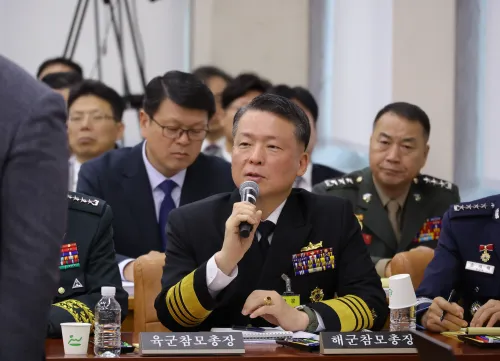
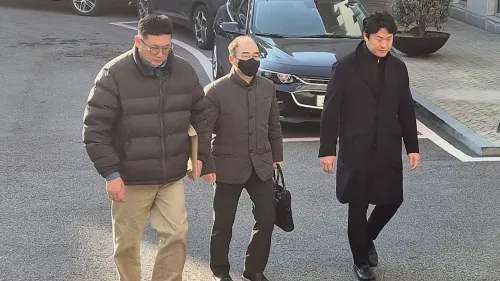
Seoul, Jan 30 (NationPress) Two high-ranking military generals were relieved of their duties on Friday following disciplinary measures for breaching the National Assembly and attempting to detain prominent politicians during the brief period of martial law enacted in late 2024, as reported by military sources in South Korea.
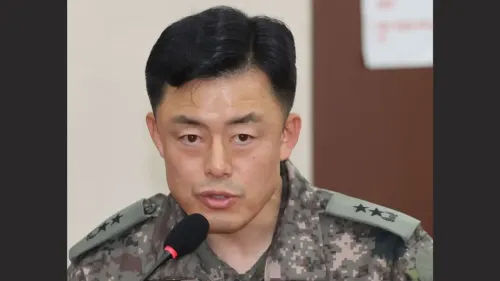
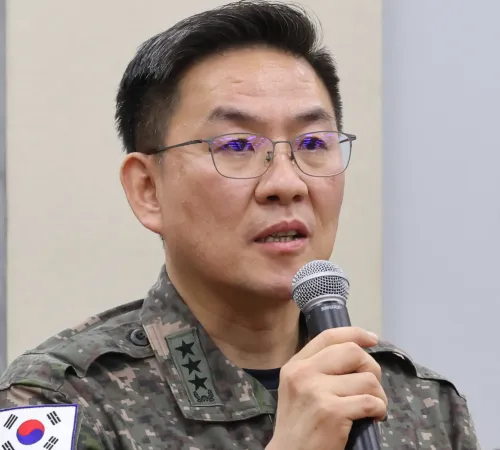
The defence ministry of South Korea imposed these disciplinary actions on Brigadier General Lee Sang-hyun, the former leader of the 1st Special Forces Brigade, who is accused of directing troops to invade the National Assembly to obstruct lawmakers from voting against the martial law decree. This information comes from sources at the Yonhap News Agency.
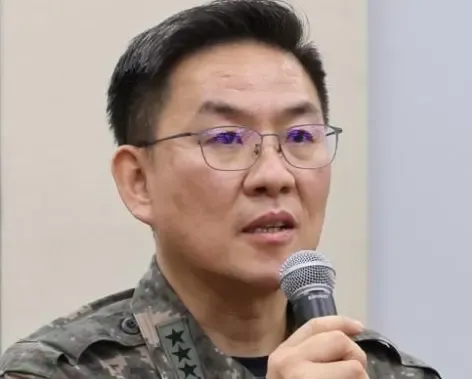
Additionally, Rear Admiral Kim Dae-woo, the former chief of the Defence Counterintelligence Command, was dismissed due to allegations that he dispatched a team to detain politicians amid the martial law efforts.
Both Lee and Kim are currently facing trial for their roles in the martial law enforcement.
The ministry issued a statement indicating that it has enacted "significant" disciplinary actions against these two high-ranking officers, although they did not reveal the specific names, ranks, or nature of the punishment.
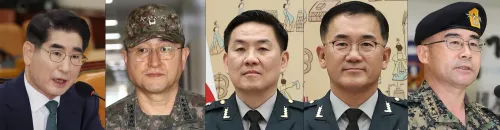
This dismissal is part of an ongoing effort by the military to hold accountable personnel involved in the martial law implementation. Previous commanders from both the Defence Counterintelligence Command and the Army Special Warfare Command have also been let go.
On Tuesday, the defence ministry announced that a trial related to martial law, involving six military officers, has been forwarded to the Seoul Central District Court at the request of a special counsel team.
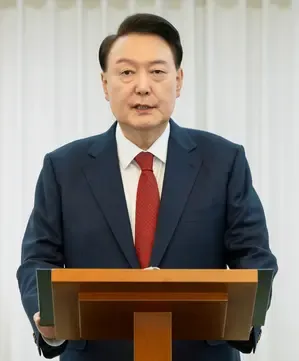
Colonel Kim Hyun-tae, the head of the Army Special Warfare Command's 707th Special Mission Group, alongside five other officers, is facing court-martial for their alleged significant involvement in former President Yoon Suk Yeol's martial law initiative in December 2024.
The special counsel team had recently requested the transfer of this case to the Seoul Central District Court, according to the ministry.
Under the law, active soldiers are required to attend trial at a military court, but a special counsel team can request the transfer of such cases from military prosecutors to a civilian court.
Point of View
It is crucial to recognize that the dismissal of these military commanders reflects a necessary commitment to accountability within our armed services. Upholding democratic principles is essential, especially in times of crisis. The actions taken by the defense ministry should serve as a reminder that the military must operate within the boundaries of the law.
NationPress
19 Sept 2026
Frequently Asked Questions
What led to the dismissal of the military commanders?
The commanders were dismissed for attempting to arrest lawmakers during the martial law imposed in late 2024, violating military protocol and democratic principles.
How is the South Korean military addressing misconduct?
The South Korean military is actively pursuing accountability by imposing disciplinary actions on personnel involved in the martial law imposition.
What are the legal implications for the officers involved?
Both dismissed officers are currently facing trial for their roles in the enforcement of martial law, which may lead to further legal repercussions.
What does this mean for South Korea's democracy?
This incident highlights the importance of maintaining democratic oversight over military actions, ensuring that such breaches do not undermine public trust.
What happens next for the military personnel involved?
The military personnel involved will undergo trials, with potential outcomes that could include court-martial and further disciplinary measures.