Minnesota's Growing Movement Against Hinduphobia
Synopsis
A significant resolution condemning Hinduphobia is gaining momentum in Minnesota, backed by over 400 community members. This initiative aims to raise awareness of anti-Hindu discrimination and foster greater safety and dignity for Hindu Americans.
Key Takeaways
Resolution against Hinduphobia: Aims to acknowledge anti-Hindu discrimination.
Community support: Over 400 individuals backing the initiative.
Testimonies from leaders: Highlight incidents of hate and discrimination.
Interfaith solidarity: Support from other religious organizations.
Focus on safety: Ensuring that Hindu Americans can practice their faith freely.
Washington, March 18 (NationPress) A resolution aimed at condemning Hinduphobia and anti-Hindu discrimination is gaining significant momentum in Minnesota, USA. The initiative has garnered support from over 400 community members, prompting lawmakers to listen to testimonies regarding the rising incidents affecting Hindu Americans.
Introduced in the Minnesota Senate on March 9, this resolution seeks to officially acknowledge the discrimination that Hindu Americans experience and reaffirms the state's dedication to religious freedom, pluralism, and mutual respect among all communities.
The Coalition of Hindus of North America (CoHNA), which has been at the forefront of this advocacy initiative, asserts that this movement signifies the persistent efforts of the Hindu community to achieve recognition and safeguard their rights.
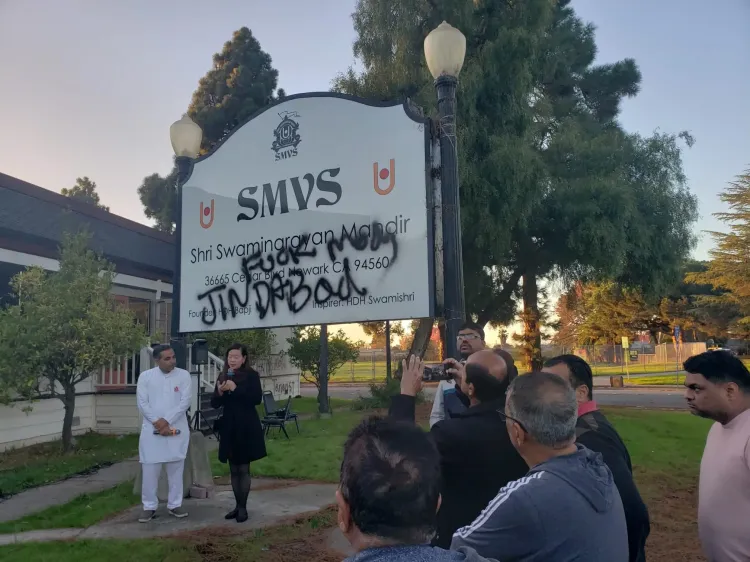
During the hearings, community leaders presented testimonies to the Minnesota Senate Judiciary and Public Safety Committee, detailing various incidents reported both statewide and nationwide. These incidents included hate speech directed at a temple in Edina, thefts from priests' residences in Maple Grove, as well as previous acts of vandalism and intimidation against Hindu institutions.
Neha Markanda, director of CoHNA's Minnesota chapter, emphasized to the committee that, "Hate without a name often gets ignored. Institutional acknowledgment from Minnesota lawmakers is crucial to assuring the broader community that their pain is acknowledged and that together we uphold the promise of safety and dignity for every Minnesotan."
A letter from the Hindu community, which gathered over 400 signatures shortly after its circulation, implored lawmakers to endorse the resolution. It called for heightened awareness surrounding Hinduphobia, enhanced reporting frameworks for hate incidents, and a stronger inclusion of Hindu communities in anti-bias and diversity initiatives, as reported in a media release.
The resolution has also received backing from other faith-based organizations. Ethan Roberts, the deputy executive director of the Jewish Community Relations Council, conveyed to lawmakers that addressing religious hatred necessitates a clear acknowledgment of its existence.
Roberts remarked, "The Hindu community is evidently being targeted. We, as Jews, recognize the danger when hatred is minimized, dismissed, or left unnamed, which underscores the significance of this resolution."
CoHNA representatives noted that the testimonies reflect a broader coalition supporting the measure and the urgency to treat anti-Hindu bias with the same seriousness as other forms of hatred.
Advocates pointed to a range of troubling trends, citing incidents across the nation such as temple shootings, assaults, and online hate campaigns. A 2022 report from Rutgers University highlighted anti-Hindu disinformation and harassment on social media, cautioning against the potential for real-life violence.
CoHNA affirmed that its Minnesota chapter has been collaborating with lawmakers, community members, and local stakeholders to share data and raise awareness regarding the concerns of Hindu Americans.
Hindu Americans have historically made valuable contributions to the social, cultural, and economic landscape of Minnesota and the United States, as emphasized by CoHNA. Supporters underscored the importance of ensuring that they can practice their faith freely and without fear, which is essential for maintaining the values of equality and mutual respect.
The organization plans to continue its efforts in collaboration with lawmakers, community leaders, and interfaith partners to advance the resolution and broader initiatives aimed at combating religious discrimination.
In recent years, various US states have begun to address hate crimes and religious bias more proactively, responding to growing awareness of incidents affecting minority communities. Several legislatures have considered measures that recognize specific forms of discrimination within broader diversity frameworks.
With a rising population of Indian-origin residents, Minnesota has witnessed increased civic engagement from diaspora groups, with advocacy organizations taking on a more prominent role in policy discussions surrounding inclusion, civil rights, and religious freedom.
Point of View
This resolution represents a critical step in acknowledging and addressing the discrimination faced by Hindu Americans in Minnesota. It underscores the importance of interfaith solidarity and the need for comprehensive measures against all forms of religious bias.
NationPress
1 Oct 2026
Frequently Asked Questions
What is the purpose of the resolution?
The resolution aims to formally condemn Hinduphobia and anti-Hindu discrimination while promoting awareness and inclusion of Hindu communities in diversity initiatives.
How many people support the resolution?
Over 400 community members have expressed their support for the resolution.
Who is leading the advocacy efforts?
The Coalition of Hindus of North America (CoHNA) is leading the advocacy for this resolution.
What incidents prompted this resolution?
Incidents such as hate speech at temples, thefts from priests, and vandalism of Hindu institutions have highlighted the need for this resolution.
What is the broader significance of this movement?
This movement emphasizes the importance of recognizing and addressing all forms of religious discrimination, fostering a safer environment for all communities.