Zimbabwe's Mnangagwa demands unconditional sanctions lift on SADC Anti-Sanctions Day
Synopsis
On SADC Anti-Sanctions Day, Zimbabwe's President Mnangagwa renewed his demand for unconditional sanctions removal — even as he personally remains subject to US Magnitsky-era targeted measures imposed just last year. The gap between SADC's collective call and Washington's individual-focused approach underscores why this dispute is far from resolved.
Key Takeaways
Zimbabwean President Emmerson Mnangagwa called for unconditional lifting of Western sanctions on 25 October 2026 , marking SADC Anti-Sanctions Day .
Mnangagwa said sanctions harm not just Zimbabwe but all 16 SADC member states , calling them an infringement on regional integration.
The SADC Anti-Sanctions Day was established in 2019 to collectively denounce restrictions tied to Zimbabwe's land reform programme.
Former US President Joe Biden terminated a broad Zimbabwe sanctions programme in March 2024 but simultaneously imposed fresh targeted sanctions on 11 individuals , including Mnangagwa and VP Constantino Chiwenga , under the Global Magnitsky Act .
Zimbabwe plans to deepen SADC and COMESA integration while pursuing diplomatic measures to have remaining sanctions lifted.
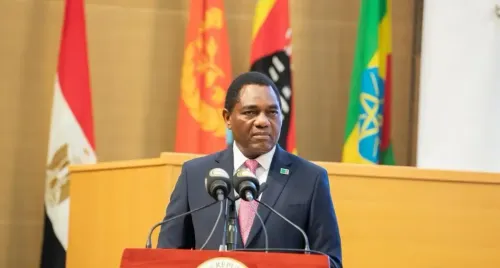
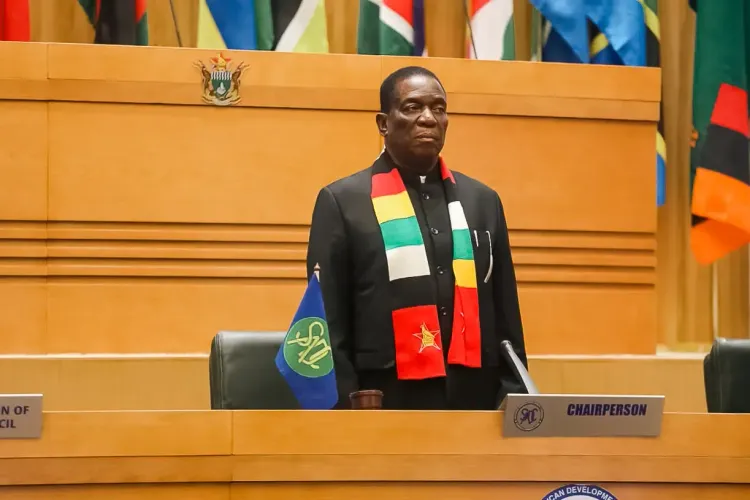
Zimbabwean President Emmerson Mnangagwa on Sunday, 25 October 2026, issued a forceful call for the unconditional lifting of Western sanctions on Zimbabwe, arguing the measures throttle economic development not just in his country but across the broader Southern African Development Community (SADC) region. His remarks came during the annual SADC Anti-Sanctions Day commemorations held every 25 October.
What Mnangagwa Said
Speaking at the event, Mnangagwa declared that the sanctions harm the entire SADC bloc, not Zimbabwe alone. "Sanctions not only punish our country, but the entire SADC family and infringe Zimbabwe's role in advancing an integrated Africa," he said. He also stressed that regional solidarity remained strong: "This reflects our shared commitment to a just and fair global order, where the principles of sovereign equality, non-interference in the internal affairs and the sovereign right of every country to chart its own destiny are respected."
Mnangagwa expressed gratitude to SADC member states for their continued backing of the anti-sanctions campaign, and reaffirmed Zimbabwe's commitment to multilateralism, international cooperation, and the peaceful resolution of conflicts.
Background: Why the Sanctions Were Imposed
The SADC Anti-Sanctions Day was established in 2019 by the 16-member regional grouping as a collective push to denounce economic restrictions on Zimbabwe. Those restrictions were originally imposed by Western governments following Zimbabwe's controversial land reform programme, which redistributed land from minority white farmers to indigenous Black Zimbabweans.
The United States enacted the Zimbabwe Democracy and Economic Recovery Act in December 2001, limiting its support for multilateral financial assistance to Harare. A separate executive sanctions programme, in place since 2003, was formally terminated by former US President Joe Biden in March 2024 — but in the same executive order, Biden imposed fresh targeted sanctions on 11 individuals, including Mnangagwa himself and Vice President Constantino Chiwenga, citing alleged human rights abuses and corruption under the Global Magnitsky Human Rights Accountability Act.
Regional Integration as a Counter-Strategy
Mnangagwa framed deeper regional cooperation as a key instrument for overcoming the economic drag of sanctions. He pointed to SADC and the Common Market for Eastern and Southern Africa (COMESA) as platforms offering expanded connectivity and cooperation in trade, industry, agriculture, energy, and infrastructure.
Zimbabwe, he said, would simultaneously pursue diplomatic and domestic measures to have remaining sanctions lifted while broadening international partnerships and boosting industrial competitiveness. Despite the restrictions, Mnangagwa maintained that Zimbabwe continues to make measurable progress toward its development goals.
What Comes Next
The persistence of targeted Magnitsky-style sanctions on Mnangagwa personally complicates any near-term diplomatic resolution. Analysts note the distinction between broad economic restrictions — many of which the US has wound down — and the individually targeted measures, which require either a change in US policy or demonstrable improvements in Zimbabwe's human rights and governance record. SADC's annual Anti-Sanctions Day keeps multilateral pressure alive, but concrete progress remains elusive.
Point of View
The targeted measures are unlikely to be unwound regardless of regional pressure. The real question is whether Harare's 'diplomatic and domestic measures' translate into governance reforms, or remain a rhetorical holding position.
NationPress
25 Oct 2026
Frequently Asked Questions
Why is Zimbabwe under Western sanctions?
Western sanctions on Zimbabwe were originally imposed following the country's controversial land reform programme, which redistributed land from minority white farmers to indigenous Black Zimbabweans. The US enacted the Zimbabwe Democracy and Economic Recovery Act in December 2001, restricting multilateral financial assistance to Harare.
What is SADC Anti-Sanctions Day?
SADC Anti-Sanctions Day is observed annually on 25 October and was established by the 16-member Southern African Development Community in 2019 as a collective initiative to denounce sanctions imposed on Zimbabwe. It serves as a platform for regional solidarity against what SADC members describe as unilateral economic restrictions.
Did the US lift sanctions on Zimbabwe?
Partly. Former US President Joe Biden signed an executive order in March 2024 terminating a broad Zimbabwe sanctions programme that had been in place since 2003. However, he simultaneously imposed fresh targeted sanctions on 11 individuals — including President Mnangagwa and Vice President Constantino Chiwenga — under the Global Magnitsky Human Rights Accountability Act, citing alleged human rights abuses and corruption.
Why does Mnangagwa say sanctions hurt all of SADC?
Mnangagwa argues that sanctions on Zimbabwe constrain regional economic integration, effectively penalising all SADC member states by limiting Zimbabwe's capacity to participate in trade, infrastructure, and development initiatives. He has called on SADC partners to continue pressing for unconditional removal of the measures.
What is Zimbabwe's plan to address the sanctions?
Zimbabwe says it will pursue a dual approach: broadening international partnerships and deepening regional integration through SADC and COMESA, while simultaneously using diplomatic and domestic measures to press for the lifting of remaining sanctions and to boost industrial competitiveness at home.