Markwayne Mullin Appointed as DHS Secretary by US Senate
Synopsis
In a pivotal move, the US Senate has confirmed Markwayne Mullin as the Secretary of Homeland Security, succeeding Kristi Noem amidst ongoing turmoil within the department. This decision follows increasing bipartisan pressure and marks a significant shift in Trump's Cabinet.
Key Takeaways
Markwayne Mullin confirmed as DHS Secretary Replaces Kristi Noem amid ongoing departmental issues Senate vote was 54-45 in favor Bipartisan frustration with immigration policies Ongoing negotiations for DHS funding continue
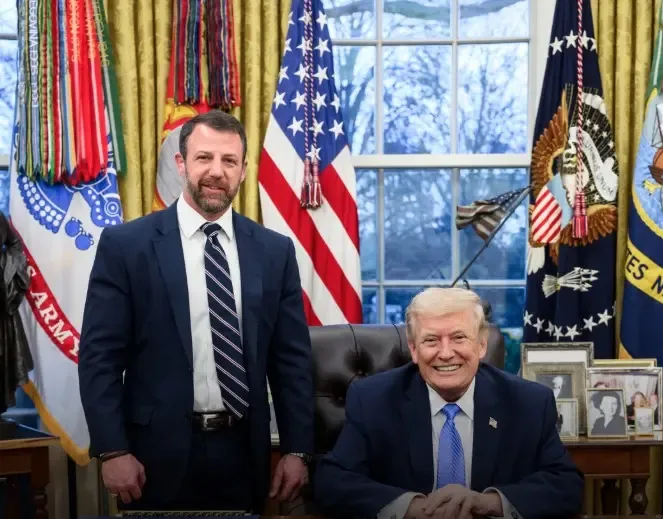
Washington, March 24 (NationPress) The US Senate has officially confirmed the appointment of Senator Markwayne Mullin as the new Secretary of the Department of Homeland Security (DHS), succeeding the troubled Kristi Noem during a period of ongoing department shutdown.
The Senate voted 54-45 in favor of the 48-year-old Mullin, who has represented Oklahoma in the Senate since 2023 after a decade in the House of Representatives. Notably, one Republican senator opposed the nomination, while two Democrats backed it.
Mullin's nomination was put forward by President Donald Trump on March 5, reflecting a rising bipartisan dissatisfaction with Noem's leadership and marking the first significant Cabinet change in Trump's second term, as reported by Xinhua news agency.
Noem has faced bipartisan criticism following the fatal shooting of two US citizens, Renee Good and Alex Pretti, by federal law enforcement in Minneapolis in January. Her handling of congressional hearings this month also drew ire from Trump, particularly regarding a disputed $200 million advertising campaign.
These tragic incidents have intensified calls from Democrats for reforms in immigration enforcement practices and agency operations.
The discord surrounding immigration policy has led to legislative gridlock, with Democrats urging the exclusion of DHS funding from an omnibus spending proposal, resulting in a temporary partial shutdown from January 31 to February 3.
Subsequently, Congress passed a funding bill that secured financing for various federal agencies through the fiscal year, yet DHS only received a two-week extension at existing funding levels, allowing ongoing discussions between both parties and the White House.
In recent weeks, however, negotiations regarding immigration enforcement have progressed very slowly.
The Senate has now rejected the DHS funding proposal for the fifth time, leaving critical operations—including those of the Transportation Security Administration, the Coast Guard, and the Federal Emergency Management Agency—in jeopardy.
Frequently Asked Questions
Who is Markwayne Mullin?
Markwayne Mullin is a US Senator from Oklahoma, recently confirmed as the Secretary of the Department of Homeland Security.
Why was Kristi Noem replaced?
Kristi Noem faced bipartisan criticism due to her handling of federal law enforcement issues and immigration enforcement controversies.
What does the DHS do?
The Department of Homeland Security is responsible for safeguarding the United States against various threats, including terrorism and natural disasters.
What issues led to the DHS funding deadlock?
Disagreements over immigration enforcement regulations prompted Democrats to seek the removal of DHS funding from an omnibus spending bill.
What are the implications of Mullin's confirmation?
Mullin's confirmation is expected to bring a new direction for DHS amidst ongoing immigration debates and operational challenges.