Nepal floods kill 162, 300 Indian pilgrims missing as Balen Shah faces crisis
Synopsis
Nepal's deadliest flood crisis in recent memory has claimed 162 lives and left nearly 300 Indian pilgrims missing — thrusting PM Balen Shah into his first major governance test just five months in. His personal visit to Nuwakot and multi-agency relief push signal intent, but the scale of devastation and diplomatic stakes demand more than optics.
Key Takeaways
Flash floods across three Nepal districts bordering Tibet have killed at least 162 people as of 27 August .
More than 500 people are missing, including nearly 300 Indian nationals , many of them Mansarovar Yatra pilgrims.
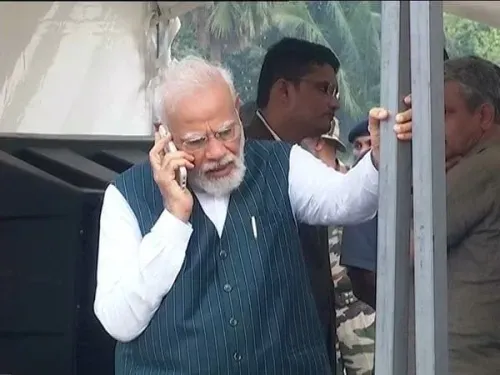
Prime Minister Balendra 'Balen' Shah personally visited Nuwakot to assess the devastation.
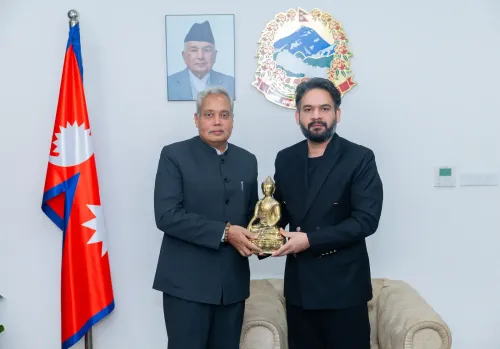
Foreign Minister Shisir Khanal confirmed Nepal is coordinating with foreign embassies and thanked India for rapid relief assistance.
Shah has ordered mobilisation of national agencies, NGOs, and international partners for rescue and relief operations.
Flash floods have killed at least 162 people and left more than 500 missing across three districts of Nepal bordering Tibet, in what has become the most severe governance test for Prime Minister Balendra 'Balen' Shah, barely five months into his tenure. Among the missing are nearly 300 Indian nationals, many of them pilgrims undertaking the Mansarovar Yatra.
Scale of the Disaster
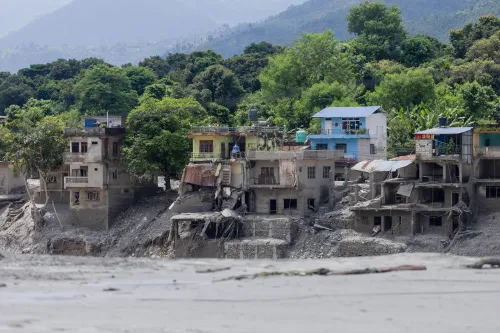
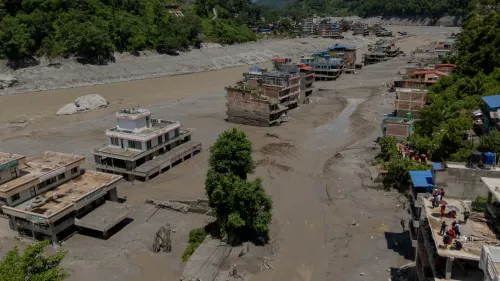
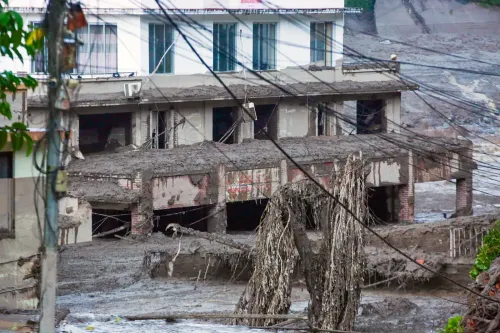
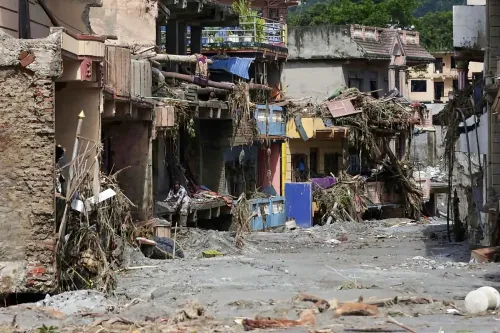
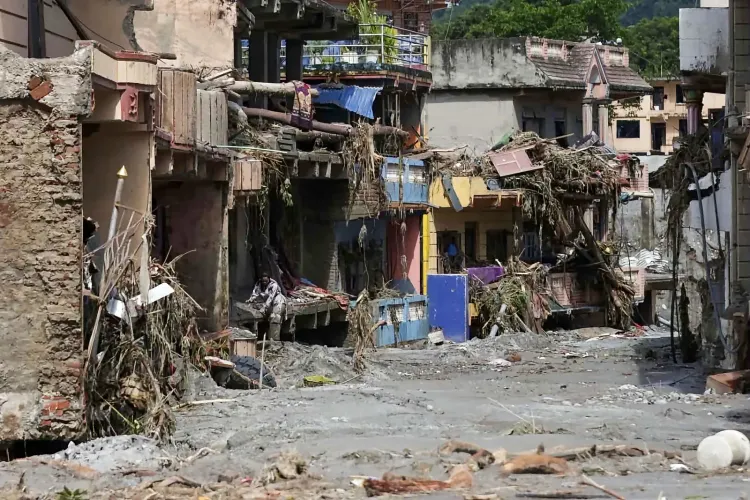
The catastrophic flooding tore through Nuwakot and two adjoining districts along the Tibetan border, triggering widespread destruction of infrastructure and displacing communities. Prime Minister Shah personally travelled to Nuwakot to assess the scale of devastation on the ground — a visible signal of his administration's intent to lead from the front in a crisis. Rescue operations are ongoing, with national agencies, NGOs, and international partners coordinating immediate relief efforts.
Indian Pilgrims Among the Missing
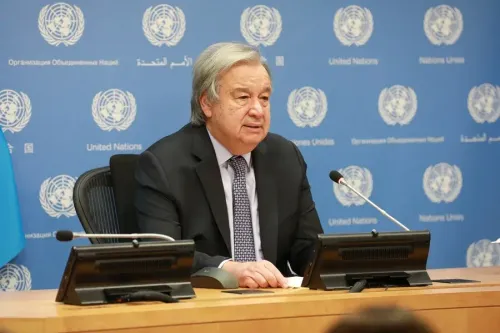
The presence of nearly 300 Indian nationals among the missing has added a significant diplomatic dimension to the disaster. Many were reportedly pilgrims on the Mansarovar Yatra, a high-altitude religious circuit that passes through Nepal's northern districts. Nepal's Foreign Minister Shisir Khanal confirmed that the government is working closely with foreign embassies to account for international travellers, and stressed that Nepal's commitment to the safety of foreign nationals is equal to its duty toward its own citizens. Khanal also publicly thanked India for its swift relief assistance.
What the Government Said
Speaking at the NDTV World Anviksha Summit in Kathmandu, Foreign Minister Khanal offered a candid portrait of Shah's leadership style. 'He wants results, and he wants them fast. He's very focused on deliverables,' Khanal said, adding that Shah delegates responsibility to his ministers and expects tangible outcomes rather than procedural compliance. Shah himself issued a social media update detailing the multi-agency coordination underway, affirming that the government is mobilising every available resource for rescue and relief.
A Defining Early Test for Shah
This disaster arrives at a critical juncture for the Shah administration. Nepal has historically struggled with disaster response coordination — the 2015 Gorkha earthquake exposed deep gaps in inter-agency communication and last-mile relief delivery. Shah, who built his political identity on an action-oriented, anti-establishment platform, now faces the challenge of converting that rhetoric into measurable outcomes under acute pressure. Notably, the involvement of Indian nationals and the diplomatic sensitivity around the Mansarovar route means the crisis carries bilateral weight beyond Nepal's borders.
What Happens Next
Search and rescue operations are expected to intensify over the coming days as weather conditions in the high-altitude border districts remain unpredictable. The Indian Embassy in Kathmandu is reportedly coordinating with Nepali authorities to trace missing pilgrims. The full death toll is likely to rise as teams reach more remote areas. How swiftly and effectively the Shah government manages both the humanitarian response and the diplomatic outreach will shape public and international perception of his early tenure.
Point of View
But the diplomatic undercurrent is what makes this crisis structurally different from past Nepal disasters. With nearly 300 Indian nationals — many of them pilgrims on a religiously significant route — among the missing, this is no longer purely a domestic emergency; it is a bilateral stress test. Shah's hands-on response is politically smart, but Nepal's track record on last-mile disaster relief remains patchy. The real measure of his 'results-first' brand will be the speed and transparency of the missing-persons accounting, not the optics of a field visit. India's swift relief deployment also signals how seriously New Delhi is treating the consular dimension — and how closely it will be watching Kathmandu's follow-through.
NationPress
11 Oct 2026
Frequently Asked Questions
How many people have died in the Nepal flash floods?
At least 162 people have been killed in flash floods that struck three districts of Nepal bordering Tibet, according to reports as of 27 August. More than 500 people remain missing, and the toll is expected to rise as rescue teams reach remote areas.
Are Indian nationals among those missing in the Nepal floods?
Yes, nearly 300 Indian nationals are among the more than 500 people still missing. Many of them were reportedly pilgrims undertaking the Mansarovar Yatra, a high-altitude religious circuit that passes through Nepal's northern districts.
What is Nepal's government doing to respond to the floods?
Prime Minister Balen Shah personally visited Nuwakot to assess the damage and has ordered the mobilisation of national agencies, NGOs, and international partners for rescue and relief. Foreign Minister Shisir Khanal confirmed that Nepal is coordinating with foreign embassies to account for missing international travellers.
Has India provided any assistance to Nepal after the floods?
Yes. Foreign Minister Shisir Khanal publicly thanked India for its rapid relief assistance. The Indian Embassy in Kathmandu is also reportedly coordinating with Nepali authorities to help trace missing Indian pilgrims.
Who is Balen Shah and why is this a test for him?
Balendra 'Balen' Shah is Nepal's Prime Minister, who took office approximately five months before the floods struck. He built his political identity on an action-oriented, anti-establishment platform, and this disaster is his first major governance crisis — one that carries both domestic and diplomatic stakes given the large number of missing foreign nationals.