Telangana drought: Farmers urged to skip Rabi crop as water, power crisis deepens
Synopsis
Telangana is asking farmers to voluntarily skip the Rabi season entirely — a drastic step that signals just how severe the El Niño-driven water crisis has become. With major reservoirs at critical lows, Singur project water ring-fenced for drinking until December 2026, and the state leaning on solar power to cover electricity shortfalls, the government's margin for error this dry season is razor-thin.
Key Takeaways
Agriculture advisor and MLA P.
Sudarshan Reddy urged Telangana farmers on 11 October 2026 to forgo the Yasangi (Rabi) second crop due to drought-like conditions.
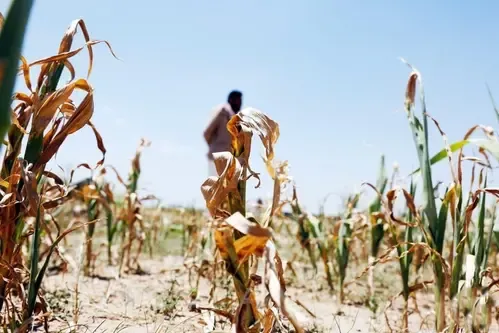
Water levels in major reservoirs, lakes, and tanks across Telangana have fallen sharply, with groundwater also declining.
The Singur project in Nizamabad district is reserving water exclusively for drinking, with supplies expected to last until December 2026 .
The Nizamsagar and Sri Ram Sagar projects face electricity generation shortfalls; the state is relying heavily on solar power .
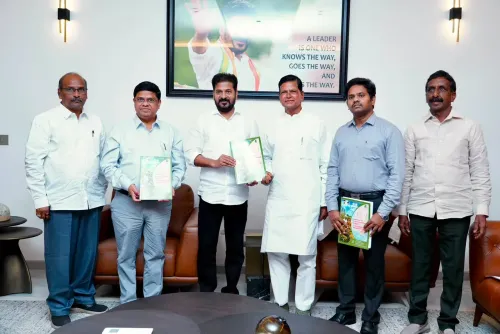
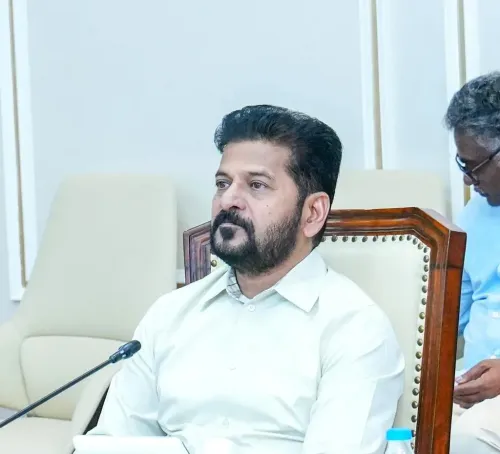
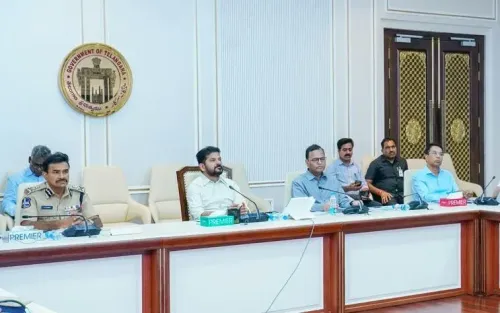
Chief Minister Revanth Reddy is personally reviewing the crisis alongside the Chief Secretary and departmental officials.
Special committees via gram panchayats will be formed in every village to spread awareness on water and electricity conservation.
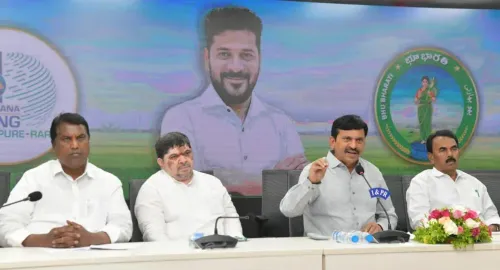
Telangana state government advisor on agriculture and MLA, P. Sudarshan Reddy, on Sunday, 11 October 2026, appealed to farmers across the state to refrain from cultivating the Yasangi (Rabi) second crop, citing severe El Niño-driven drought-like conditions and acute shortages of both irrigation water and electricity. The advisory, issued from Hyderabad, underscores a deepening agrarian crisis that threatens drinking water security across Telangana.
Scale of the Water Crisis
According to Reddy, water levels in major reservoirs, lakes, and tanks across Telangana have fallen considerably, and groundwater levels have also declined sharply. In Nizamabad district, particularly around the Singur project area, the remaining water is being reserved exclusively for drinking purposes. Officials have been directed to ensure the Singur project water lasts until at least December 2026, with plans being drafted for resource management beyond that period.
The Nizamsagar and Sri Ram Sagar projects are generating insufficient electricity due to low water inflows, further compounding the power shortage. The state is currently relying heavily on solar power to bridge the electricity deficit, officials confirmed.
What the Government Is Doing
Chief Minister Revanth Reddy, together with the Chief Secretary and officials from multiple departments, is actively reviewing the situation, with special focus on irrigation water availability and electricity supply across the state. The government advisor stressed that ensuring uninterrupted drinking water supply and preventing wastage are the immediate priorities.
Sudarshan Reddy has instructed officials from the irrigation, agriculture, and electricity departments, along with MPDOs and other concerned authorities, to form special committees through gram panchayats in every village. These committees will be tasked with creating awareness among farmers and residents about conserving water and electricity.
Why Farmers Are Being Asked to Hold Back
Reddy warned that if farmers proceed with Yasangi cultivation without adequate water availability, the prevailing El Niño conditions could significantly worsen the crisis. The Rabi season typically requires substantial irrigation support, and with reservoirs at critically low levels, attempting a second crop risks depleting the limited water reserves needed for drinking and domestic use.
Notably, this is not a statutory ban but an advisory appeal — the government is urging voluntary cooperation rather than imposing a legal restriction. Officials have also been directed to take strict measures against unnecessary water use.
Appeal to Farmers and the Public
Sudarshan Reddy appealed to both farmers and the general public not to waste water under any circumstances. He called on communities to cooperate with the government and relevant departments to manage the crisis responsibly. 'Farmers and the public must cooperate with the government and the concerned departments to overcome this crisis,' he said, according to reports.
As Telangana heads deeper into the dry season, the government's ability to enforce voluntary conservation — without a formal crop restriction — will be tested in the coming weeks.
Point of View
But voluntary compliance alone may not hold if farmers see neighbours irrigating from residual groundwater. A clearer enforcement framework, paired with income protection, would make this advisory credible rather than merely cautionary.
NationPress
11 Oct 2026
Frequently Asked Questions
Why is the Telangana government asking farmers not to cultivate the Rabi crop?
Severe El Niño-driven drought-like conditions have caused reservoir, lake, and groundwater levels across Telangana to fall sharply, leaving insufficient water for both irrigation and drinking needs. Agriculture advisor P. Sudarshan Reddy issued the appeal on 11 October 2026, warning that Yasangi crop cultivation could deplete the limited reserves needed for drinking water.
Which areas and projects are most affected by the water crisis?
Nizamabad district, particularly the Singur project area, is among the worst affected, with available water being reserved solely for drinking purposes. The Nizamsagar and Sri Ram Sagar projects are also critically low, resulting in reduced electricity generation from these hydropower sources.
How long will water supplies last at the Singur project?
Officials have indicated that the Singur project is expected to have water available until December 2026. Authorities have been directed to prepare plans for managing water resources effectively beyond that period.
What steps is the Telangana government taking to manage the crisis?
Chief Minister Revanth Reddy is personally reviewing irrigation and electricity supply issues alongside the Chief Secretary and departmental officials. The government is also directing irrigation, agriculture, and electricity department officials to form village-level special committees through gram panchayats to spread awareness about water and power conservation.
Is this a legal ban on Rabi cultivation or an advisory?
It is an advisory appeal, not a statutory ban. P. Sudarshan Reddy has urged farmers to voluntarily refrain from Yasangi crop cultivation given the water and electricity shortage, and is seeking public cooperation rather than imposing a legal restriction.