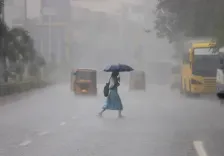
Telangana Kharif sown area drops 23% as El Nino cuts rainfall by 25%

Synopsis
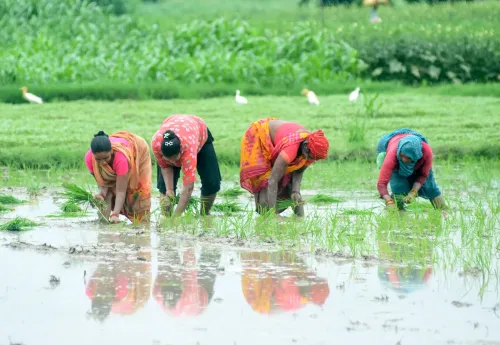
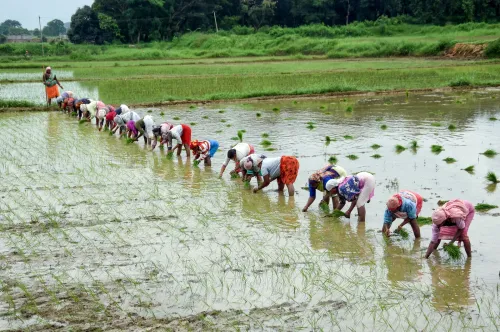
El Nino has carved a 23% hole in Telangana's Kharif sowing, with paddy acreage alone set to shrink by nearly 45%. Reservoirs are near dead storage, groundwater is sinking, and 23 of 33 districts are rain-deficient — making this one of the state's most acute agricultural emergencies in recent memory.
Key Takeaways
Telangana's Kharif 2026 sown area is projected to fall by 23.12 per cent to 107.08 lakh acres , down from 139.28 lakh acres in 2025.
The state received only 216 mm of rainfall against a normal of 286.5 mm (1 June–22 July), a 25 per cent deficit driven by El Nino .
23 of 33 districts and 399 of 621 mandals recorded deficient rainfall; July alone saw a 33 per cent shortfall.
Paddy acreage is projected to fall 44.90 per cent ; cotton acreage by 9.42 per cent .
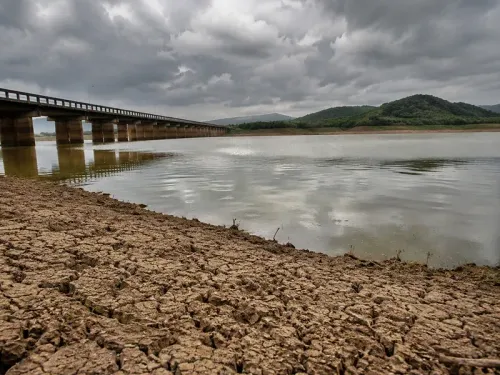
Reservoirs in the Godavari and Krishna basins are near MDDL and reserved for drinking water only.
The expert panel recommends 75 per cent seed subsidies , crop diversification into pulses, millets, and vegetables, and village-level contingency teams.
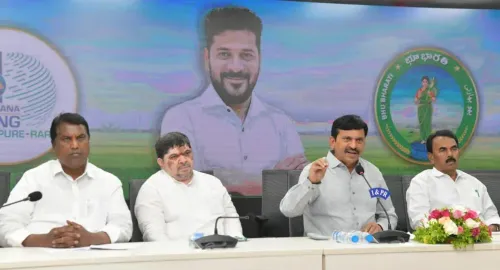
Telangana's Kharif 2026 sown area has fallen by 23.12 per cent due to severe deficit rainfall triggered by El Nino, according to an expert committee appointed by the state government and submitted to Chief Minister A. Revanth Reddy on Thursday, 30 July 2026. The state recorded only 216 mm of rainfall against a normal of 286.5 mm between 1 June and 22 July — a shortfall of 25 per cent.
Scale of the Rainfall Deficit
Of Telangana's 33 districts, 23 recorded deficient rainfall, while 399 out of 621 mandals across the state were rain-scarce. The situation worsened sharply through July, when the state received only 104.4 mm against a seasonal normal of 155.1 mm — a 33 per cent deficit for the month alone. This is the steepest single-month shortfall the state has recorded in recent Kharif seasons.
Crop Coverage and Projected Losses
As of mid-July 2026, the total sown area stood at just 67.78 lakh acres — only 48.66 per cent of the 139.28 lakh acres cultivated during Kharif 2025. Overall seasonal coverage is projected at 107.08 lakh acres, a 23.12 per cent reduction year-on-year.
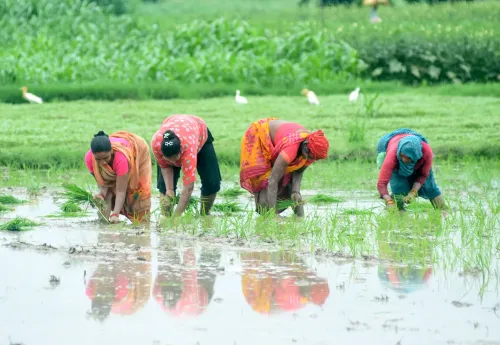
The impact on individual crops is stark. Paddy cultivation is projected to fall by 44.90 per cent, from 69.89 lakh acres in 2025 to 38.51 lakh acres in 2026. Cotton acreage is expected to decline by 9.42 per cent, from 50.70 lakh acres to 45.92 lakh acres.
Water Reserves and Groundwater Stress
Reservoir levels compound the crisis. Live storage in major and medium reservoirs across the Godavari basin stands at 27.69 TMC and across the Krishna basin at 14.81 TMC — both near Minimum Draw Down Levels (MDDL) and strictly earmarked for drinking water, leaving virtually no buffer for irrigation. Groundwater conditions are also deteriorating: water table depths across 28 lakh agricultural borewells are projected to worsen from 9.46 MBGL in June to over 11.01 MBGL by August 2026.
Expert Committee Recommendations
The committee, headed by G. Chinna Reddy, Vice Chairman of the Telangana State Planning Board, recommended formulating village-wise contingency plans to shift farmers toward pulses, oilseeds, millets, and vegetables. It called for seeds to be supplied at a 75 per cent subsidy, new loans sanctioned for alternative crops, and subsidised fodder seeds to support livestock farmers. The panel also advised ensuring uninterrupted power supply for irrigation and deploying scientists from agricultural universities to provide technical guidance at the farm level.
The report further urged promoting vegetable cultivation in villages surrounding Hyderabad and arranging transport to Rythu Bazaars (farmers' markets), alongside financial assistance for establishing dairy units in rural areas.
Chief Minister's Directives
Chief Minister Revanth Reddy stated that necessary steps must be taken in coordination with the Agriculture Department to promote vegetable cultivation statewide. He said the government is prepared to supply seeds at subsidised rates and stressed the need to focus on areas surrounding newly constructed centralised kitchens — which provide breakfast and mid-day meals to students in government schools. He directed officials to raise awareness among farmers about cultivating vegetables and other crops using organic methods, and called for measures to facilitate direct procurement of farm produce.
With reservoirs at critical lows and groundwater stress deepening, the coming weeks will test whether Telangana's contingency framework can limit the damage to farmers before the Kharif season closes out.
Point of View
And a near-45% paddy acreage decline will pressure both state procurement targets and farmer incomes simultaneously. The reservoir situation is the harder problem: with Godavari and Krishna storages near dead levels and earmarked for drinking water, there is no irrigation buffer to compensate for the monsoon shortfall. The committee's shift-to-millets recommendation is agronomically sound, but historically, incentive structures in Telangana have favoured paddy and cotton — reorienting farmer behaviour in a single distress season is an administrative challenge the report does not fully address.
NationPress
14 Sept 2026
Frequently Asked Questions
Why has Telangana's Kharif sown area dropped in 2026?
Telangana's Kharif 2026 sown area has fallen by 23.12 per cent because of a severe deficit in southwest monsoon rainfall caused by El Nino. The state received only 216 mm of rain against a normal of 286.5 mm between 1 June and 22 July — a 25 per cent shortfall — leaving large parts of the state too dry for timely sowing.
Which crops are worst affected by the rainfall deficit in Telangana?
Paddy is the hardest-hit crop, with projected acreage falling 44.90 per cent from 69.89 lakh acres in 2025 to 38.51 lakh acres in 2026. Cotton acreage is also expected to decline by 9.42 per cent, from 50.70 lakh acres to 45.92 lakh acres.
What has the expert committee recommended to help Telangana farmers?
The expert committee headed by G. Chinna Reddy recommended formulating village-wise contingency plans to shift farmers toward pulses, oilseeds, millets, and vegetables. Key measures include supplying seeds at a 75 per cent subsidy, sanctioning new loans for alternative crops, and providing technical guidance through agricultural university scientists.
How are Telangana's water reservoirs affected by the drought?
Live storage in major and medium reservoirs across the Godavari basin (27.69 TMC) and Krishna basin (14.81 TMC) is near Minimum Draw Down Levels and has been strictly earmarked for drinking water. This means there is effectively no reservoir water available for agricultural irrigation.
What steps is the Telangana government taking in response?
Chief Minister A. Revanth Reddy has directed officials to coordinate with the Agriculture Department to promote vegetable cultivation, supply seeds at subsidised rates, and create farmer awareness about organic cultivation methods. He also called for direct procurement mechanisms for farm produce and a focus on villages near centralised school kitchen facilities.