Bhai Tika 2026: Nepal marks Tihar's final day with seven-colour tika rituals
Synopsis
Bhai Tika, the most distinctive day of Nepal's Tihar festival, unfolded on 11 November with sisters across Nepal and the diaspora performing seven-coloured tika rituals rooted in the Yamaraj-Yamuna legend. PM Balendra Shah joined in with public wishes — a reminder that this Himalayan sibling tradition, running parallel to India's Diwali but carrying its own mythology, is as much a cultural marker as a religious one.
Key Takeaways
Nepal celebrated Bhai Tika on 11 November 2026 , the final day of the five-day Tihar festival.
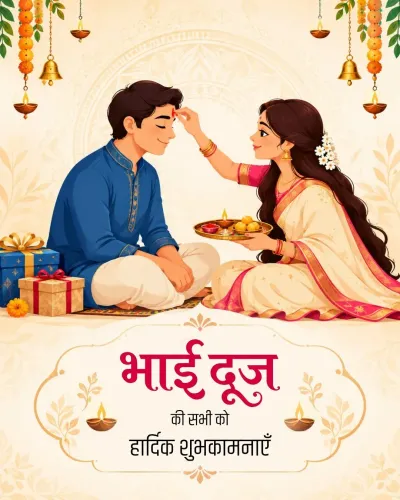
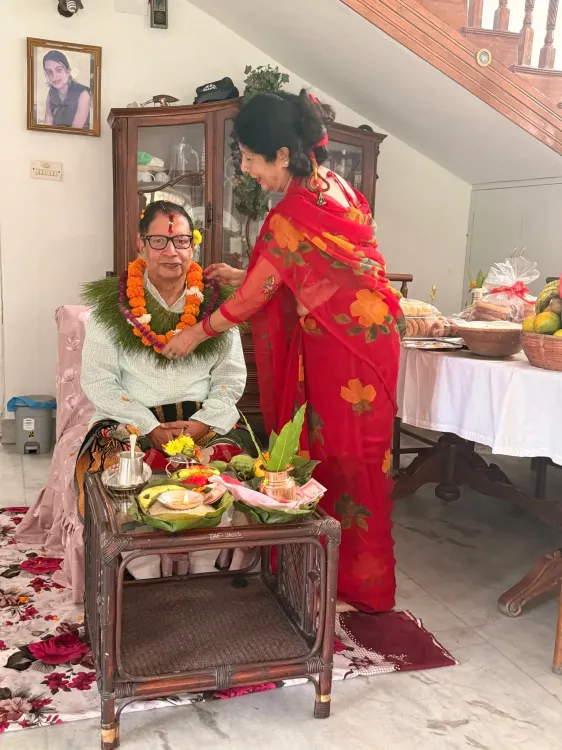
Sisters apply a seven-coloured tika to brothers' foreheads and garland them with dubo grass , marigolds , and globe amaranth flowers .
The festival is rooted in Hindu mythology involving Yamaraj and his sister Yamuna , with the belief that the tika protects brothers from death.
Brothers honour sisters with money and gifts in return.
Prime Minister Balendra Shah extended greetings on Facebook, calling on the festival to strengthen sibling bonds.
Tihar is Nepal's second-biggest festival after Dashain, observed across Nepal and the global Nepali diaspora.
Nepali people across Nepal and around the world are celebrating Bhai Tika on Wednesday, 11 November 2026, the concluding day of the five-day Tihar festival — also known as Dipawali or Diwali in Nepali tradition — with sisters applying a distinctive seven-coloured tika to their brothers' foreheads and praying for their long lives, good health, and prosperity. The occasion is widely regarded as the centrepiece of Tihar, Nepal's second-largest festival after Dashain.
Key Rituals and Traditions
The day's observances follow a time-honoured sequence. Sisters adorn their brothers with garlands of dubo grass, marigolds, and globe amaranth flowers — the last of which is chosen for its ability to stay fresh for several months, symbolising a sister's prayers for her brother's longevity. The rituals also include breaking walnuts, drawing protective lines with oil, applying the signature seven-coloured tika to brothers' foreheads, and serving a spread of sweets and festive delicacies.
Brothers, in turn, honour their sisters by presenting money and gifts, reinforcing the reciprocal nature of the bond the festival celebrates.
Mythological Roots
According to Hindu mythology, Yamaraj, the god of death, visited his sister Yamuna on this day. Yamuna welcomed him with traditional rituals — applying tika, placing a garland around his neck, and serving special dishes. Yamaraj is believed to have declared that any brother who receives tika from his sister on Bhai Tika would be protected from death. This legend underpins the spiritual significance the festival carries for millions of Nepali families, both inside the country and in the diaspora.
PM Balendra Shah Extends Wishes
Nepal's Prime Minister Balendra Shah extended his greetings to all parents, brothers, and sisters living in Nepal and abroad on the occasion. 'May Bhai Tika further strengthen the bonds of love, trust, mutual respect and affection between brothers and sisters,' he wrote on his personal Facebook page.
Tihar Festival: Broader Context
Tihar spans five days, during which Nepali households worship crows, dogs, cows, and Goddess Laxmi, while homes, temples, and streets are illuminated with traditional clay oil lamps called diyas, candles, and electric lights. The festival runs parallel in timing to Diwali celebrated across India, though the rituals and sequence of worship differ meaningfully within Nepali tradition. Bhai Tika is unique to the Nepali observance and has no direct equivalent in the mainstream Indian Diwali calendar, making it a culturally distinct and deeply rooted expression of sibling bonds in the Himalayan nation.
Celebrations this year have drawn Nepali communities worldwide, with diaspora gatherings reported across India, the Gulf, and Southeast Asia. The forward momentum of this tradition — now carried far beyond Nepal's borders — speaks to how cultural identity travels with migration.
Point of View
But it is a culturally sovereign observance with its own mythology, ritual sequence, and social logic. The Yamaraj-Yamuna narrative gives the festival a theological weight that sets it apart from sibling-centric days in other traditions. What is worth watching is how the diaspora dimension is growing — Nepali communities across the Gulf, India, and Southeast Asia are sustaining these rituals far from Kathmandu, making Bhai Tika an increasingly transnational cultural event. PM Shah's Facebook message, rather than an official address, also signals how political communication in Nepal has shifted to social media platforms for even the most significant cultural moments.
NationPress
11 Nov 2026
Frequently Asked Questions
What is Bhai Tika and when is it celebrated?
Bhai Tika is the final and most significant day of Nepal's Tihar festival, celebrated on 11 November 2026 this year. Sisters apply a seven-coloured tika to their brothers' foreheads, garland them with flowers, and pray for their long lives and prosperity.
What is the mythological significance of Bhai Tika?
According to Hindu mythology, Yamaraj, the god of death, visited his sister Yamuna on this day and was welcomed with tika, garlands, and special dishes. Yamaraj declared that any brother who receives tika from his sister on Bhai Tika would be protected from death.
How does Tihar differ from India's Diwali?
While Tihar and Diwali share timing and the tradition of lighting diyas, Tihar has a distinct five-day structure in which Nepali families worship crows, dogs, and cows before Goddess Laxmi. Bhai Tika, the concluding day, has no direct equivalent in the mainstream Indian Diwali calendar.
What did Nepal's Prime Minister say about Bhai Tika?
Prime Minister Balendra Shah extended greetings to all Nepali brothers and sisters at home and abroad, writing on his Facebook page that he hoped Bhai Tika would 'further strengthen the bonds of love, trust, mutual respect and affection between brothers and sisters.'
Why is a globe amaranth garland specifically used in Bhai Tika?
Globe amaranth flowers are used because they remain fresh for several months, symbolising a sister's prayer for her brother's long and enduring life. The choice of flower is intentional and deeply embedded in the ritual's meaning.