Nepal protests China's Bhotekoshi River wall near border pillar 53
Synopsis
Nepal has formally protested China's construction of a safety wall along the Bhotekoshi River near border pillar 53, warning it could alter the river's course and trigger monsoon-season disasters on the Nepali side — a direct challenge to the 1963 bilateral boundary protocol that bars unilateral changes to boundary rivers.
Key Takeaways
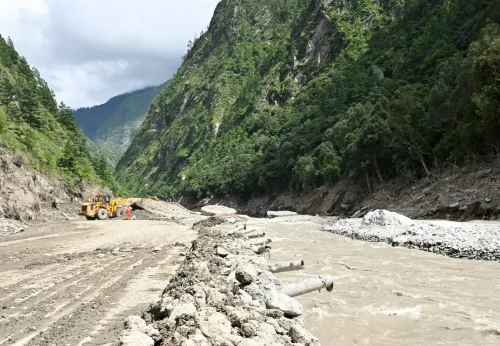
China has been building a safety wall along the Bhotekoshi River within Chinese territory near border pillar 53 in Sindhupalchowk district .
Nepal's Foreign Ministry has sent a diplomatic note urging China to halt construction immediately.
The construction allegedly violates the 1963 Nepal-China boundary protocol , which requires advance notification and prohibits unilateral alteration of boundary rivers.
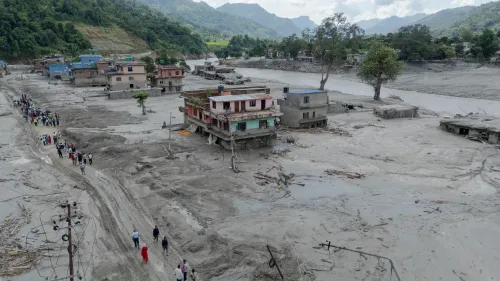
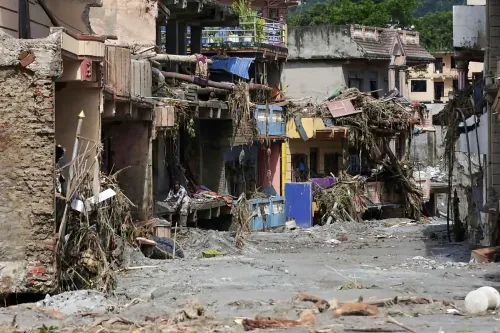
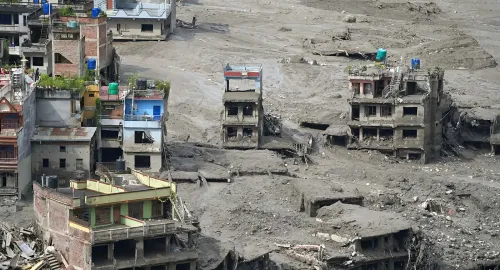
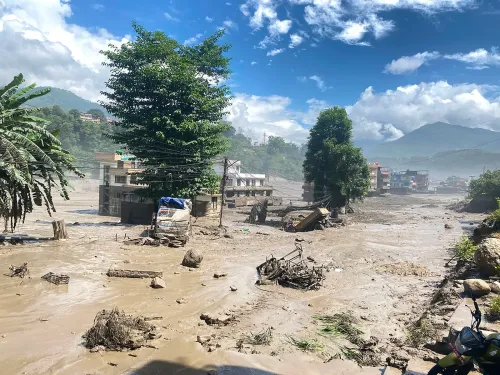
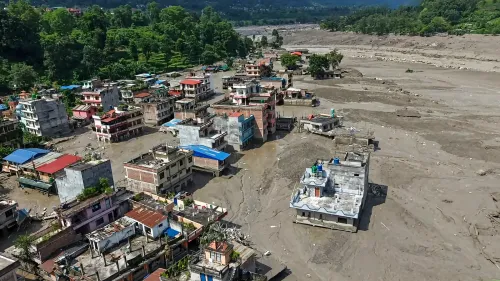
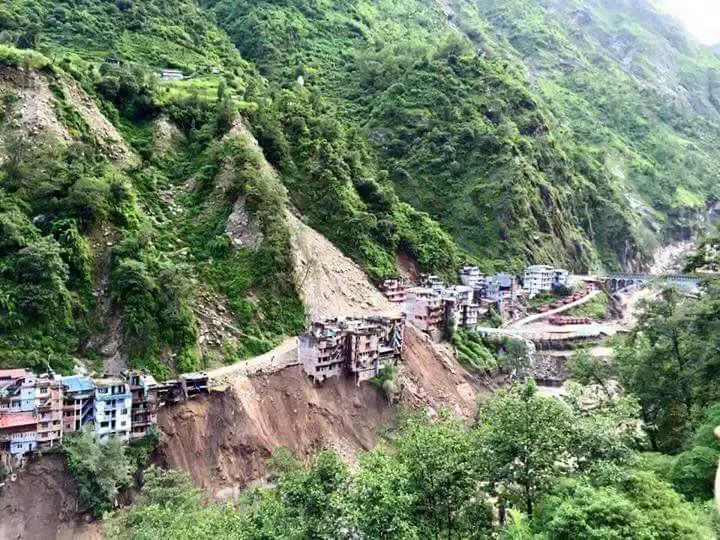
The Tatopani border point area is highly disaster-prone; officials warn the wall could worsen monsoon-season flooding and landslides on the Nepali side.
The matter was escalated from the District Administration Office, Sindhupalchowk to Nepal's Ministry of Foreign Affairs for diplomatic action.
Nepal has lodged a formal diplomatic protest against China after Chinese authorities began constructing a safety wall along the Bhotekoshi River on the Chinese side of the Nepal-China border, raising fears that the structure could alter the river's course and cause significant damage on the Nepali side. The construction is reportedly taking place near border pillar number 53 in Sindhupalchowk district, close to the Tatopani border point, according to officials at Nepal's Home Ministry.
What Is Being Constructed and Where
Officials from Nepal's Home Ministry confirmed to IANS that China has been building a safety wall along the Bhotekoshi River within Chinese territory, on the Chinese side of the international boundary. The river flows through the Tatopani border point in Sindhupalchowk district and partly serves as a natural boundary between the two countries.
Chief District Officer of Sindhupalchowk, Ram Krishna Adhikari, confirmed the construction, stating:
Point of View
And notifying neighbours only after the fact, is well-documented from Arunachal Pradesh to Bhutan. Nepal, heavily dependent on Chinese trade through the Tatopani corridor, is in a diplomatically delicate position: too firm a stance risks economic friction, too soft a response sets a precedent for further unilateral action. The 1963 protocol's compensation provisions exist precisely because this river has a history of destructive course changes — and the monsoon season is weeks away.
NationPress
19 Sept 2026
Frequently Asked Questions
Why is Nepal protesting China's construction along the Bhotekoshi River?
Nepal is protesting because China began building a safety wall along the Bhotekoshi River near border pillar 53 without notifying Nepal in advance, as required under the 1963 Nepal-China boundary protocol. Nepali officials fear the structure could alter the river's course and cause flooding or landslide damage on the Nepali side, particularly during the monsoon season.
What does the 1963 Nepal-China boundary protocol say?
The 1963 boundary protocol requires either party to inform the other before constructing any structure along the international border. It also prohibits either side from unilaterally altering the course of boundary rivers, mandates joint measures to prevent losses, and includes compensation provisions if one party causes cross-border damage due to river course changes.
Where exactly is the construction taking place?
The construction is taking place on the Chinese side of the border near border pillar number 53, close to the Tatopani border point in Sindhupalchowk district, where the Bhotekoshi River partly serves as a natural boundary between Nepal and China.
What action has Nepal taken so far?
The District Administration Office in Sindhupalchowk alerted the Nepal Home Ministry, which forwarded the matter to the Ministry of Foreign Affairs. Nepal's Foreign Ministry subsequently urged China to halt construction immediately and sent a formal diplomatic note protesting the activities undertaken without prior notification.
Why is the Bhotekoshi River area considered high-risk?
The Bhotekoshi River flows through one of Nepal's most disaster-prone zones, where landslides are frequent, particularly during the monsoon season. Any alteration to the river's course could significantly worsen flooding on the Nepali side and disrupt international trade through the Tatopani border crossing.