Is Nepal's Interim Government Taking Action on Killings and Arson Linked to Gen Z Protests?
Synopsis
In a call for justice, Human Rights Watch urges Nepal's interim government to investigate the alarming violence during the Gen Z protests, where excessive force, arson, and mob attacks took place. The organization emphasizes the need for accountability, urging the government to conduct transparent investigations into the incidents and the role of security forces.
Key Takeaways
HRW urges investigation into police violence during Gen Z protests.
17 protesters were killed due to excessive force on September 8.
Security forces failed to act against mob violence on September 9.
Calls for independent and transparent investigations are growing.
423 arrests made, but no actions taken against officers who fired on protesters.
New York, Nov 20 (NationPress) Human Rights Watch (HRW), a prominent advocacy organization based in the United States, has urged the interim government of Nepal, under the leadership of Prime Minister Sushila Karki, to thoroughly investigate the excessive use of force, as well as incidents of arson and mob violence targeting individuals and public property during the protests held by Gen Z in September.
The organization has also emphasized the importance of probing the involvement of any individuals who may have orchestrated these unlawful acts.
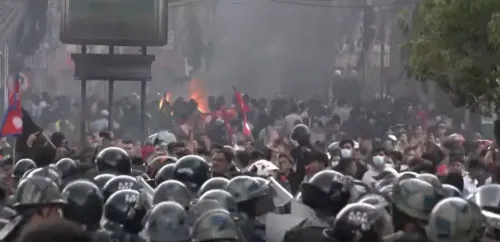
HRW reported that during the protests on September 8, police in Kathmandu indiscriminately opened fire on demonstrators multiple times within a span of three hours, resulting in the deaths of 17 individuals who were protesting against political corruption and a sweeping social media ban that was imposed shortly before.
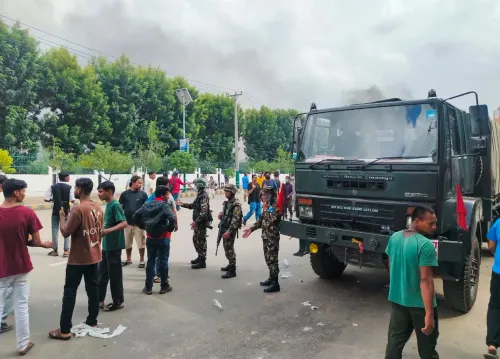
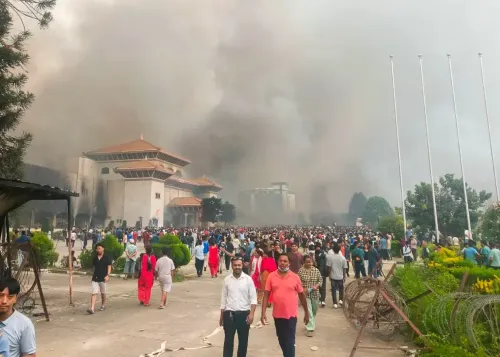
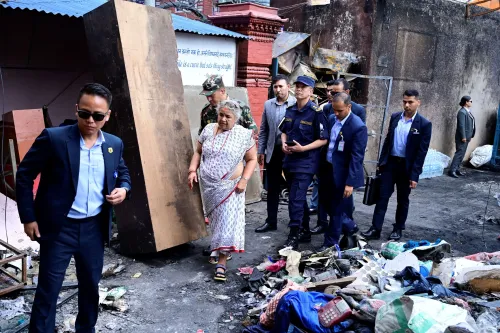
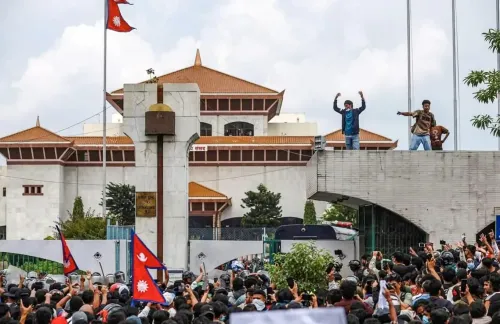
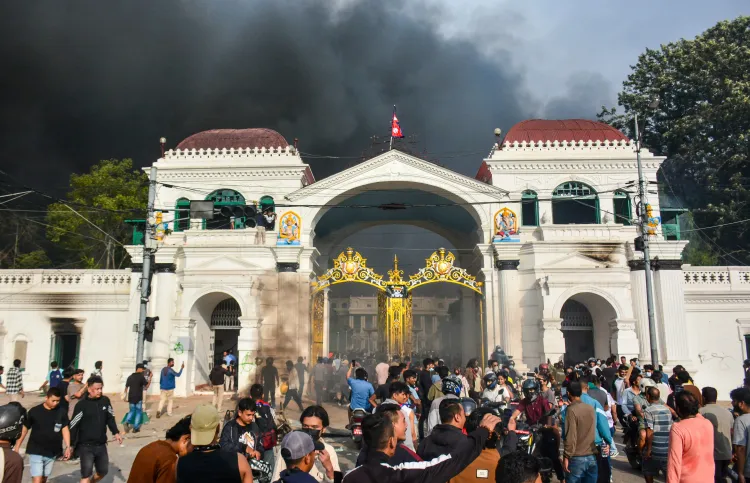
This unrest led to a second wave of violence on September 9; however, security forces seemingly failed to intervene when groups, some of whom were not associated with the Gen Z protests, set fire to significant government buildings and assaulted politicians, journalists, and others, in addition to attacking schools, businesses, and media organizations.
According to Meenakshi Ganguly, deputy Asia director at HRW, "The recent violence in Nepal involved serious violations of human rights, and all those responsible should be held accountable, whether they are members of security forces or political figures. The government must ensure that the investigations are conducted independently, swiftly, and transparently, ensuring that no individual who has violated the law is shielded from prosecution."
HRW has indicated that various witnesses alleged that certain mob attacks were intentional and raised questions about why security forces did not take decisive action.
One businessman noted, "The assaults were highly targeted," pointing out that neighboring businesses were often left undamaged.
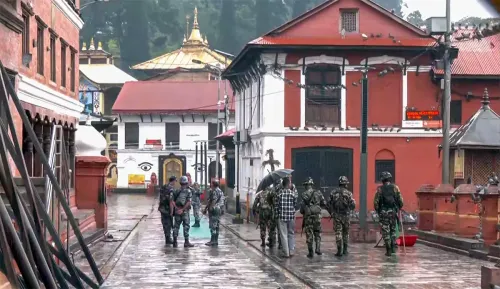
Furthermore, HRW mentioned that on September 9, security forces were largely absent while arson incidents spread throughout the city, failing to safeguard individuals and properties from being attacked.
"The commission tasked with investigating the occurrences of September 8 and 9 should assess the involvement of security forces, credible claims of infiltration, and criminal activities that contributed to the violence," emphasized HRW.
As of November 10, HRW reported that Nepal's police had arrested 423 individuals suspected of involvement in the violence on September 9, yet had not taken action against officers who unlawfully discharged their weapons at protesters on September 8.
Ganguly underlined, "The authorities must acknowledge that the widespread impunity for human rights violations in the past has facilitated the violence witnessed this time in Nepal. It is vital to overturn the long-standing practice of successive governments in Nepal to obscure investigations and delay prosecutions, in order to achieve accountability and reform within the security sector."
Point of View
It is essential to recognize the gravity of the situation unfolding in Nepal. The events surrounding the Gen Z protests raise legitimate concerns about human rights and accountability. While the call for investigations is crucial, it is equally important that we maintain an unbiased perspective and support the voices of those advocating for justice.
NationPress
2 Oct 2026
Frequently Asked Questions
What prompted HRW's call for an investigation?
HRW's call for an investigation was prompted by reports of excessive force used by police during the Gen Z protests, as well as incidents of arson and mob violence.
How many people were killed during the protests?
Seventeen individuals were reported killed during the protests on September 8.
What actions have been taken by the Nepalese police?
As of November 10, Nepal's police arrested 423 individuals allegedly involved in the violence but have yet to take action against officers who unlawfully opened fire on protesters.
What does HRW suggest regarding accountability?
HRW suggests that the government must ensure independent, transparent investigations, and that all responsible parties, including security forces and political figures, should be held accountable.
What is the significance of this situation?
This situation is significant as it highlights ongoing issues of human rights violations and the need for reform and accountability within Nepal's security forces.