Nepal's Customs Duty Enforcement on Indian Goods Sparks Controversy
Synopsis
The Nepalese government's enforcement of customs duties on goods over NPR 100 from Indian towns has provoked significant criticism from border region stakeholders. This policy threatens local affordability and economic ties with India, igniting calls for more community-friendly regulations.
Key Takeaways
Customs duty imposed on goods over NPR 100 from India.
Significant criticism from stakeholders in border regions.
Calls for repeal of the duty to aid low-income families.
Advocacy for customs-free allowances for religious visits.
Importance of balancing regulations with community needs.
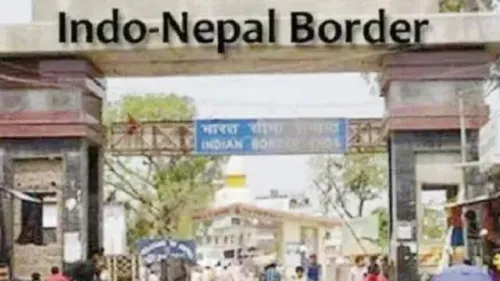
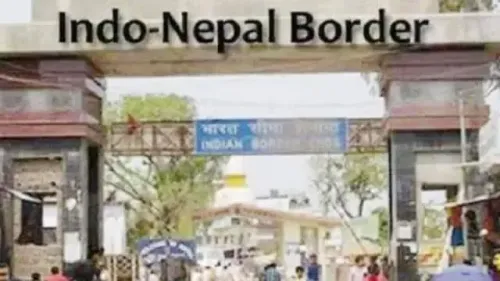
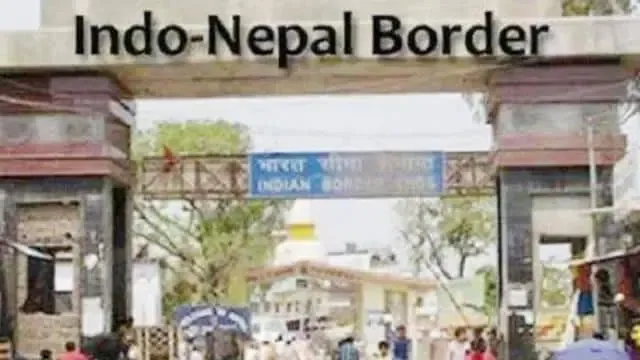
Kathmandu, April 18 (NationPress) The recent decision by the Nepalese government to impose customs duties on items exceeding NPR 100 brought from adjacent Indian towns has faced significant backlash from individuals and groups in Nepal's border regions. These areas have historically relied on nearby Indian markets for affordable products.
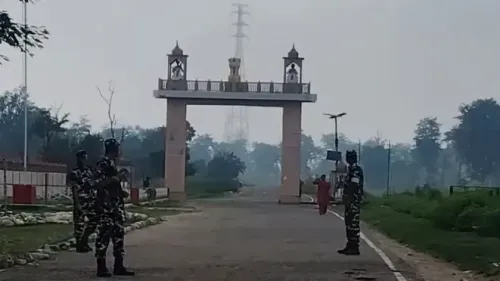
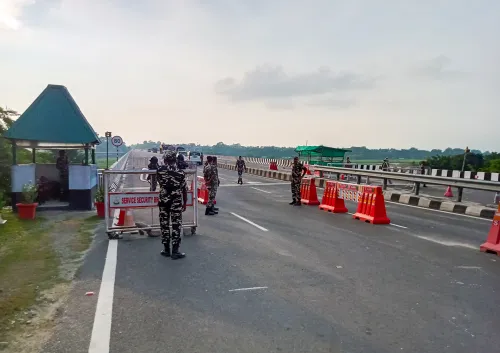
The enforcement of this rule has intensified over the last few days. Although initially established several years ago, its application had been postponed due to challenges faced by the local populace. The newly elected administration's move to implement this regulation has triggered a wave of discontent among local stakeholders.
The Nepal-India Open Border Interaction Group, a civil society organization, voiced their concerns on Saturday, urging the government to revisit its customs policy. They cautioned that the current regulations are imposing excessive burdens on residents in border areas.
In their statement, the group emphasized the longstanding social, cultural, and economic connections between Nepal and India. They called on the authorities to adopt more practical, people-centric policies to facilitate cross-border movement and enhance community interaction.
A primary request from the group is to repeal the customs duty on goods valued over NPR 100 at border points, arguing that this regulation disproportionately impacts low-income families and is not feasible to enforce. They propose eliminating customs duties on essential household items instead.
Furthermore, they advocate for the development of well-organized, affordable markets in border regions to enhance access to necessary goods. They also suggested the introduction of special customs exemptions for religious and cultural visits, allowing worshippers traveling to significant sites in both countries to transport items duty-free for up to 48 hours, thereby fostering religious tourism and strengthening interpersonal connections.
Kishor Bartaula, Director of the Department of Customs, explained to IANS that the regulation aims to combat smuggling. He noted, “Smugglers exploit ordinary individuals to transport goods from Indian markets in small quantities multiple times daily without paying duties, later consolidating them for sale.” He added that enforcing this rule is not expected to significantly boost government revenue.
Bartaula also mentioned that stricter adherence to the rule could potentially benefit traders in Nepal’s border towns.
Point of View
I observe that while the government's intention may be to curb smuggling, the implications of such a regulation could adversely affect the livelihoods of many in border communities. A balanced approach that considers economic realities is essential.
NationPress
19 Sept 2026
Frequently Asked Questions
What is the new customs duty policy introduced by the Nepal government?
The Nepal government has implemented a customs duty on goods valued above NPR 100 brought from Indian towns, aiming to regulate smuggling.
Why is there backlash against this customs duty?
Stakeholders argue that the duty disproportionately affects low-income families and complicates access to affordable goods in border areas.
What are the proposed changes by the Nepal-India Open Border Interaction Group?
They advocate for the repeal of the customs duty on items over NPR 100 and the establishment of customs-free allowances for religious visits.
How does this policy impact cross-border relations?
The policy threatens the long-standing social and economic ties between Nepal and India, leading to calls for more community-friendly measures.
What is the government's justification for enforcing this duty?
The government claims it aims to reduce smuggling, where individuals transport goods in small quantities without paying duties.