Netanyahu corruption trial resumes after Iran war hiatus; pardon bid filed
Synopsis
Netanyahu's corruption trial has resumed after a two-month war-induced halt — but the bigger story may be the 111-page pardon request his lawyer has filed with President Herzog. With charges of bribery, fraud, and breach of trust still pending, the legal and political stakes for Israel's longest-serving prime minister have never been higher.
Key Takeaways
Benjamin Netanyahu resumed corruption trial testimony at a Tel Aviv court on Tuesday, 29 April 2025 , after a two-month hiatus.
Questioning continued in Case 4000 , involving alleged regulatory favours to Bezeq shareholder Shaul Elovitch in exchange for favourable coverage on Walla news.
Netanyahu faces charges of bribery, fraud, and breach of trust across three cases; he denies all charges.
Tuesday's session was his approximately 81st appearance in the trial, following his 80th appearance on 24 February 2025 , according to Haaretz .
Netanyahu's lawyer Amit Hadad has submitted a 111-page pardon request to President Isaac Herzog , arguing it would allow Netanyahu to focus on national security.
Herzog's office acknowledged the request is
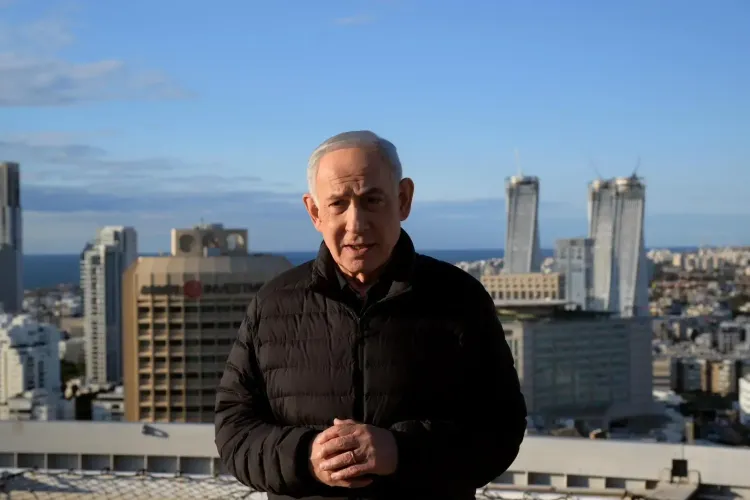
Israeli Prime Minister Benjamin Netanyahu resumed testimony in his criminal corruption trial at a Tel Aviv court on Tuesday, 29 April 2025, ending a two-month pause triggered by the Israel-Iran war. The resumption comes as Netanyahu's legal team has simultaneously filed a formal pardon request with President Isaac Herzog, adding a new political dimension to an already high-stakes legal battle.
What Happened in Court
Prosecutor Yehudit Tirosh continued cross-examination of Netanyahu in the so-called Case 4000, the most serious of three corruption cases he faces. In this case, Netanyahu is accused of advancing regulatory decisions that benefited Shaul Elovitch, then the controlling shareholder of Bezeq, Israel's largest telecommunications company, and the Walla news website, allegedly in exchange for favourable media coverage. Netanyahu is charged with bribery, fraud, and breach of trust. He denies all charges.
Tuesday's session was originally scheduled for Monday, but was postponed after Netanyahu's lawyer requested a delay citing, according to the court filing,
Point of View
A framing that conflates the interests of the state with the interests of one individual. President Herzog, a largely ceremonial figure, is now placed in an extraordinarily uncomfortable position: rejecting the pardon risks being seen as obstructing wartime leadership, while granting it would set a precedent that powerful incumbents can leverage national emergencies to escape judicial scrutiny. Israel's democratic institutions are under stress, and how this pardon request is handled will say as much about the health of those institutions as the trial verdict itself.
NationPress
19 Sept 2026
Frequently Asked Questions
Why did Netanyahu's corruption trial pause for two months?
The trial was paused after Israel declared a nationwide emergency in late February following the launch of the Israel-Iran war. Courts shifted to emergency mode, holding only urgent hearings via video, which halted Netanyahu's in-person testimony.
What is Case 4000, the case being heard in Tuesday's session?
Case 4000 involves allegations that Netanyahu advanced regulatory decisions benefiting Shaul Elovitch, then the controlling shareholder of Bezeq, Israel's largest telecom company, and the Walla news website, in exchange for favourable media coverage. It is considered the most serious of the three corruption cases against him.
What charges does Netanyahu face overall?
Netanyahu faces charges of bribery, fraud, and breach of trust across three separate corruption cases. He has consistently denied all charges since the trial began.
What is the pardon request filed by Netanyahu's lawyer?
Netanyahu's lawyer Amit Hadad submitted a 111-page pardon request to President Isaac Herzog's Residence Legal Department, arguing that granting the pardon would allow Netanyahu to focus entirely on national security and help reduce public tensions. Netanyahu also signed a personal letter as part of the request.
Can Israel's president pardon Netanyahu before a verdict?
Yes. The Israeli president has the authority to grant pardons to those convicted in court and, in rare cases, even before the completion of legal proceedings if it is deemed to be in the public interest. Herzog's office has said it will consult the Justice Ministry's Pardons Department before the president makes a decision.