NIH chief urges measles vaccination as US hits 35-year case high
Synopsis
The US is recording its worst measles outbreak in 35 years, and the NIH director — who also temporarily leads the CDC — is now publicly urging parents to vaccinate their children. The appeal is striking given the current political climate around vaccines in Washington, and it arrives alongside unresolved questions about a White House executive order linking vaccines to autism.
Key Takeaways
NIH Director Dr Jay Bhattacharya urged American parents to vaccinate children against measles and other preventable diseases on 10 August .
The US is experiencing its highest measles caseload in 35 years , with only 10 states meeting the 95% vaccination threshold needed to prevent sustained transmission.
Active outbreaks in South Carolina , Texas , Arizona , and Utah have reportedly been addressed; Pennsylvania communities remain at elevated risk.
Bhattacharya said declining vaccination rates are partly linked to a post- COVID-19 loss of trust in public health institutions.
Early findings from the Autism Data Science Initiative , involving more than a dozen NIH-supported research teams, are expected within weeks.
A cyclospora outbreak tied to iceberg lettuce from Mexico is larger than in typical years; federal agencies are coordinating product recalls.
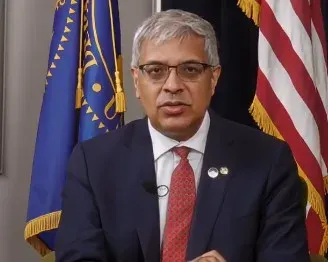
National Institutes of Health (NIH) Director Dr Jay Bhattacharya on 10 August called on American parents to vaccinate their children against measles and other preventable diseases, as the United States records its highest measles caseload in 35 years. Bhattacharya, who is also temporarily co-leading the Centers for Disease Control and Prevention (CDC), made the appeal during an interview on CBS News' Face the Nation.
The Vaccination Appeal
'The best way to protect your kids from measles is to get the vaccine for measles,' Bhattacharya told CBS anchor Margaret Brennan. He specifically named the standard childhood immunisation schedule — including the measles vaccine and the DTP (diphtheria, tetanus, and pertussis) shot — as essential for most children. Bhattacharya added that he had vaccinated his own children, lending personal weight to his public health message.
He also urged parents not to keep children home out of fear of disease exposure, arguing that school attendance itself supports children's overall wellbeing. 'In any case, it's better to send the kids to school because that's how you keep kids healthy,' he said.
Scale of the Outbreak
Brennan noted during the interview that measles cases in the US have climbed to their highest level in 35 years, with only 10 states having reached the 95 per cent vaccination threshold considered critical for preventing sustained community transmission. Bhattacharya acknowledged that outbreaks in South Carolina, Texas, Arizona, and Utah had been brought under control. Cases in Virginia were reportedly falling sharply, while specific communities in Pennsylvania remained at elevated risk, he said.
This comes amid a broader national debate over childhood immunisation, with vaccine hesitancy rising in the years since the COVID-19 pandemic. Bhattacharya linked the decline in vaccination rates partly to a widespread erosion of public trust in health authorities — a trend he said he was prioritising to reverse.
Vaccines, Autism, and the White House
Bhattacharya also addressed reports that the White House was preparing an executive order relating to vaccines and autism. He said he was not aware of the order's specific contents and believed it had not yet been finalised. 'I don't know exactly what's in this executive order and neither do you,' he told Brennan.
On the broader question of rising autism diagnoses, Bhattacharya said NIH-supported researchers were examining a wide range of potential contributing factors. Early results from more than a dozen teams participating in the Autism Data Science Initiative were expected within weeks. 'If you ask me as a scientist, do I know why we've seen this rise in autism? I'll tell you, I don't know the answer to that question,' he said.
Food Safety Concerns
The interview also covered multiple active food safety alerts. Brennan cited a cyclospora outbreak linked to iceberg lettuce imported from Mexico, salmonella risks across several food products, and the effect of screwworm infestations on US beef supplies. Bhattacharya said the cyclospora outbreak was larger than in typical years but that federal agencies were actively tracing contaminated products and coordinating recalls with suppliers. 'We're working hard to make sure that the contaminated sources don't get onto the shelves,' he said. He advised consumers concerned about lettuce to wash it thoroughly, remove the outer leaves, or cook their vegetables.
What Comes Next
With early findings from the Autism Data Science Initiative due within weeks and the White House executive order on vaccines reportedly still being drafted, the coming weeks could bring significant policy movement on US public health. The NIH director's unusually direct pro-vaccine stance — at a time when vaccine scepticism has gained political currency in Washington — marks a notable moment in the ongoing national debate over immunisation.
Point of View
On national television, that parents should vaccinate their children — a statement that would have been unremarkable a decade ago — is itself a measure of how far public health consensus has eroded. The unresolved White House executive order on vaccines and autism adds another layer of uncertainty: if it links the two, it could undercut the very trust-rebuilding exercise Bhattacharya says is his priority. The 35-year case high is not just an epidemiological failure; it is a governance failure that predates any single administration.
NationPress
24 Sept 2026
Frequently Asked Questions
Why is the US experiencing its worst measles outbreak in 35 years?
The US is seeing its highest measles caseload in 35 years largely because vaccination rates have fallen below the 95% threshold needed for herd immunity in most states — only 10 states currently meet that benchmark. NIH Director Dr Jay Bhattacharya has attributed part of the decline to a broader loss of public trust in health authorities following the COVID-19 pandemic.
What did NIH Director Jay Bhattacharya say about measles vaccines?
Bhattacharya said vaccination remains the best way to protect children from measles and other preventable diseases. Speaking on CBS News' Face the Nation on 10 August, he urged parents to follow the standard childhood immunisation schedule, including the measles vaccine and the DTP shot, and confirmed he had vaccinated his own children.
Which US states are most affected by the measles outbreak?
Outbreaks in South Carolina, Texas, Arizona, and Utah have reportedly been brought under control, while cases in Virginia are falling sharply. Specific communities in Pennsylvania remain at higher risk, according to Bhattacharya.
What is the Autism Data Science Initiative mentioned by the NIH director?
The Autism Data Science Initiative is an NIH-supported research programme involving more than a dozen teams investigating the possible reasons behind rising autism diagnoses. Early results are expected within weeks, though Bhattacharya said scientists do not yet have a definitive answer for the observed increase.
Is there a White House executive order on vaccines and autism?
Reports suggest the White House was preparing an executive order relating to vaccines and autism, but Bhattacharya said on 10 August that he did not know its specific contents and believed it had not yet been finalised.