Trump executive order cuts routine childhood vaccines from 18 to 11
Synopsis
Trump's executive order doesn't just trim a list — it restructures the entire logic of US childhood immunisation policy. By cutting universal recommendations from 18 to 11 diseases and pushing flu, COVID-19, and hepatitis vaccines into 'parental choice' territory, the administration is betting that less mandated coverage means healthier children. Public health experts warn the opposite could be true.
Key Takeaways
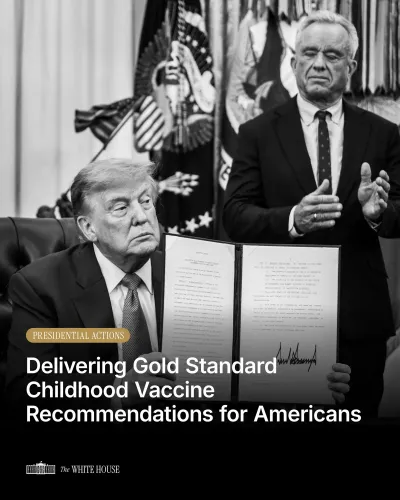
President Trump signed an executive order on 11 August 2025 reducing routine childhood vaccine recommendations from 18 diseases to 11 .
Vaccines for COVID-19 , influenza , rotavirus , hepatitis A , and hepatitis B are moved to a 'shared clinical decision-making' category.
The order recommends replacing the combined MMR vaccine with three separate single-disease shots once domestically available.
The HHS Secretary must submit plans for individual vaccine offerings within 90 days .
State school immunisation laws are not directly changed, but the Attorney General is directed to support legal challenges to conflicting state mandates.
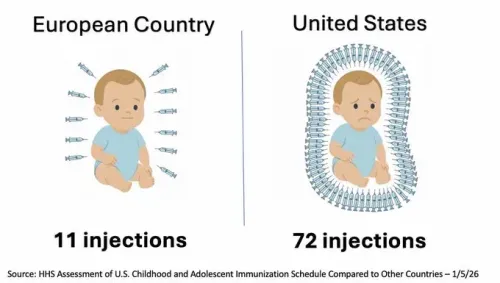
By 2024 , the CDC schedule had grown to at least 84 doses in 57 shots , up from 23 doses in 7 shots in 1980 , according to the White House.
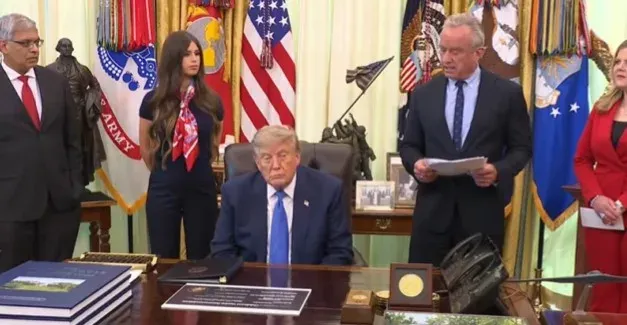
US President Donald Trump on 11 August 2025 signed an executive order reducing the number of diseases for which vaccines are routinely recommended for all American children — cutting the list from 18 diseases to 11 — and urging states to reconsider school immunisation requirements. The directive, framed as the 'Gold Standard Childhood Vaccine Recommendations', represents the most sweeping federal intervention in childhood immunisation policy in decades.
What the New Schedule Covers
The revised universal immunisation list covers 11 diseases: measles, mumps, rubella, diphtheria, tetanus, pertussis, polio, Haemophilus influenzae type B, pneumococcal disease, human papillomavirus, and chickenpox (varicella). This compares with the 18 diseases covered under the US Centers for Disease Control and Prevention (CDC) schedule in 2024, according to a White House fact sheet.
Immunisations moved out of the universal category include respiratory syncytial virus monoclonal antibodies and vaccines against hepatitis A, hepatitis B, meningococcal B, meningococcal ACWY, and dengue — these are now designated for high-risk groups only. Rotavirus, influenza, and COVID-19 vaccines, along with hepatitis A and hepatitis B, are placed under a 'shared clinical decision-making' category, to be decided jointly by parents and clinicians.
Key Directives in the Order
The executive order instructs the Health and Human Services (HHS) Secretary to submit plans within 90 days for offering individual vaccines, beginning with the combined measles-mumps-rubella (MMR) shot. The administration recommends replacing the combined MMR vaccine with three separate single-disease shots, once such products become domestically available. It also calls for childhood vaccines to be administered during separate medical visits 'to the maximum extent feasible.'
Notably, the order does not itself alter state laws — individual states retain authority to set vaccination requirements for school attendance. However, the directive instructs the Attorney General to support 'meritorious legal actions' challenging state laws that conflict with federal or constitutional obligations involving parental authority, religious freedom, disability accommodations, and equal protection. The departments of Justice, Education, and HHS were also directed to ensure contractors and grant recipients comply with requirements to provide medical and religious exemptions where federal law mandates them.
The Administration's Rationale
The White House cited an HHS assessment completed in January which found that the United States recommended more childhood vaccines than peer developed nations. According to the administration, American children following the CDC schedule received 23 doses in 7 shots against 7 diseases in 1980. By 2024, that figure had risen to at least 84 doses in at least 57 shots covering 17 diseases, plus RSV monoclonal antibody immunisation — a more than threefold expansion over four decades.
Broader Policy Context
The order is the latest in a series of actions under Trump's Make America Healthy Again (MAHA) initiative. Trump established the MAHA Commission in February 2025, and had previously ended the blanket COVID-19 vaccine recommendation for children and directed HHS to benchmark the American immunisation schedule against those of other developed countries. Critics and public health experts have raised concerns that scaling back universal recommendations could reduce vaccination rates and leave children vulnerable to preventable diseases. The administration maintains that combination vaccines and vaccines under shared decision-making will remain accessible to all families.
How individual states respond to the federal directive — and whether legal challenges to state school immunisation mandates gain traction — will determine the real-world impact on childhood vaccination coverage across the country.
Point of View
But its immediate legal force is limited — states, not Washington, set school immunisation rules. The real leverage lies in the directive to the Attorney General to back lawsuits against state mandates, which could gradually erode compulsory vaccination frameworks built over decades. Public health precedent is unambiguous: universal recommendations drive higher coverage; tiered or opt-in models correlate with outbreaks. The administration's comparison with peer nations is selectively framed — many of those countries achieve high coverage through strong public delivery systems, not reduced schedules. The 90-day HHS review will be the first real test of whether this order translates into structural change or remains a political signal.
NationPress
25 Sept 2026
Frequently Asked Questions
What did Trump's executive order on childhood vaccines do?
President Trump signed an executive order on 11 August 2025 reducing the number of diseases for which vaccines are universally recommended for American children from 18 to 11. Vaccines for diseases such as COVID-19, influenza, rotavirus, and hepatitis A and B were moved to either a high-risk or shared clinical decision-making category.
Which vaccines are no longer universally recommended under the new order?
Vaccines for hepatitis A, hepatitis B, meningococcal B, meningococcal ACWY, dengue, rotavirus, influenza, and COVID-19 are no longer in the universal recommendation category. They are now designated for high-risk groups or left to shared decision-making between parents and clinicians.
Does the executive order change state school vaccination laws?
No — the order does not itself alter state laws, as individual states set their own school immunisation requirements. However, it directs the Attorney General to support legal challenges to state mandates that conflict with parental rights, religious freedom, or disability accommodation obligations under federal law.
Why is the administration recommending separate MMR shots instead of the combined vaccine?
The executive order recommends replacing the combined measles-mumps-rubella vaccine with three individual single-disease shots once such products become domestically available, and calls for vaccines to be given at separate medical visits 'to the maximum extent feasible.' The administration has not provided a specific clinical rationale beyond the broader MAHA initiative's focus on reducing combination dosing.
What is the Make America Healthy Again (MAHA) initiative?
The Make America Healthy Again initiative is a Trump administration health policy programme launched with the creation of the MAHA Commission in February 2025. It has driven several vaccine-related actions, including ending the blanket COVID-19 vaccine recommendation for children and directing HHS to compare the US immunisation schedule with those of other developed nations.