Pakistan sexual assault cases expose deep systemic failures in justice

Synopsis
A young mother's alleged assault near Islamabad is not just a crime story — it is a mirror held up to Pakistan's broken institutional response to gender-based violence. From police inefficiency to judicial delays spanning years, the Rawat case lays bare a cycle of outrage and inaction that critics say enables perpetrators and silences survivors.
Key Takeaways
A 19-year-old mother was allegedly assaulted inside a moving vehicle in the Rawat area near Islamabad , Pakistan.
The incident reportedly occurred while the survivor was out purchasing Eid clothes for her children.
Reports cite delayed responses , inconsistent investigations , and prolonged legal proceedings as recurring patterns in Pakistan's handling of sexual violence cases.
Sexual assault cases in Pakistan reportedly take years to conclude, discouraging survivors from reporting crimes.
Analysts link the persistence of such incidents to a culture of impunity , where perpetrators believe they will face little or no consequence.
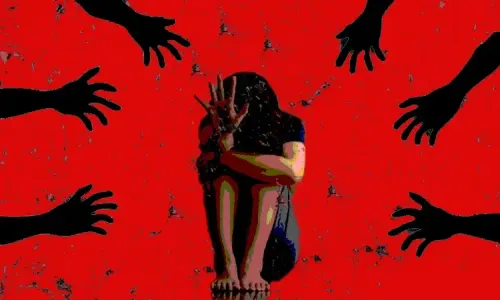
A 19-year-old mother was allegedly sexually assaulted in the Rawat area near Islamabad, Pakistan, in an incident that has drawn fresh attention to the country's deeply entrenched structural failures in addressing gender-based violence. The case, which reportedly involved assault inside a moving vehicle and filming of the act, is being seen not as an isolated crime but as a symptom of a wider pattern of institutional breakdown.
What Happened in the Rawat Case
According to reports, the survivor — a young mother who had stepped out to purchase Eid clothes for her children — was allegedly assaulted inside a moving vehicle and filmed during the act. She was subsequently left to bear the trauma largely in silence. The incident has reignited public outrage and placed Pakistan's law enforcement and judicial institutions under renewed scrutiny.
Systemic Failures in Law Enforcement
Reports have consistently highlighted delayed responses, inconsistent investigations, and prolonged legal proceedings as recurring features of how sexual violence cases are handled in Pakistan. Policing challenges — including limited resources, procedural inefficiencies, and gaps in training — affect the ability of law enforcement agencies to respond effectively. The result, according to analysts, is a system in which initial investigations can falter, evidence collection may be compromised, and cases risk losing momentum before they ever reach the courts.
Judicial Delays and the Culture of Impunity
Sexual assault cases in Pakistan reportedly take years to conclude, during which survivors face significant social and psychological pressures. The prolonged nature of proceedings, combined with uncertain outcomes, is said to discourage reporting and reinforce a sense of impunity among perpetrators. Critics argue that this perception — that offenders can escape consequences — lies at the very heart of the problem. Notably, the persistence of such incidents over time points to a deeply embedded issue that extends well beyond individual cases to the systems meant to govern them.
A Pattern of Normalisation
The recurrence of such incidents in Pakistan reflects a broader pattern of normalisation, according to observers. While individual cases often spark immediate public outrage, that response tends to fade quickly, allowing attention to shift away while the underlying structural issues remain unresolved. This cycle — of outrage, inaction, and recurrence — has come to define Pakistan's response to gender-based violence in the eyes of many rights advocates.
What Needs to Change
Addressing the crisis, analysts argue, requires systemic reform across policing, judiciary, and social support structures. Without meaningful accountability mechanisms and institutional reform, critics warn that Pakistan risks continuing a cycle in which high-profile cases briefly dominate headlines before the structural conditions that enable them are quietly left intact. The Rawat case has once again made clear that incremental responses are insufficient to the scale of the problem.
Point of View
Grim series. Pakistan has seen this cycle before: a brutal incident, a wave of outrage, a few arrests, and then silence as the structural conditions that enabled the crime remain untouched. What is striking is not the crime itself but the predictability of the institutional response. Delayed investigations, years-long trials, and survivor stigma are not bugs in the system — they function, in effect, as features that protect perpetrators. Until Pakistan links judicial reform and police accountability to measurable outcomes on gender-based violence, the cycle will continue regardless of how many headlines any single case generates.
NationPress
6 Oct 2026
Frequently Asked Questions
What happened in the Rawat area sexual assault case in Pakistan?
A 19-year-old mother was allegedly sexually assaulted inside a moving vehicle in the Rawat area near Islamabad while she was out buying Eid clothes for her children. The act was reportedly filmed, and the case has drawn widespread attention to Pakistan's systemic failures in addressing gender-based violence.
Why does Pakistan struggle to address sexual violence cases effectively?
Reports point to a combination of limited police resources, procedural inefficiencies, gaps in training, and judicial delays that can stretch cases over years. These factors collectively create a perception of impunity, discouraging survivors from reporting crimes and emboldening perpetrators.
How long do sexual assault cases typically take in Pakistan's courts?
According to reports, sexual assault cases in Pakistan often take years to conclude. The prolonged proceedings, combined with social and psychological pressures on survivors, are cited as key reasons why many victims choose not to report incidents at all.
Is the Rawat case an isolated incident or part of a broader pattern?
Analysts and observers describe it as part of a broader, recurring pattern of gender-based violence in Pakistan. While individual cases generate public outrage, the underlying structural issues — in policing, the judiciary, and social support — remain largely unaddressed, enabling the cycle to repeat.
What reforms are being called for in Pakistan to address gender-based violence?
Critics and rights advocates are calling for systemic reform across law enforcement and the judiciary, including better-trained police, faster court proceedings, and stronger accountability mechanisms. Without these changes, analysts warn that high-profile cases will continue to generate headlines without producing lasting structural change.