Pakistan leaders fast on global issues, frozen on internal crises: Experts
Synopsis
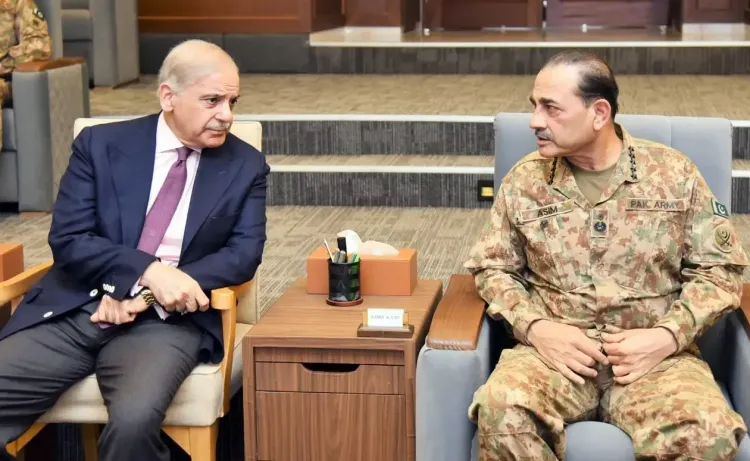
Pakistan's ruling elite is being accused of a telling double standard: swift, unified action on global diplomacy — including facilitating Iran-US talks — while displaying near-total inertia on domestic crises ranging from rising poverty and TTP violence to democratic erosion and elite wealth concentration. Analysts warn the diplomatic gamble could backfire with little gain for ordinary Pakistanis.
Key Takeaways
Pakistan suffered economic losses from Islamabad restrictions imposed ahead of Iran-US talks that ultimately did not take place.
Analyst Niaz Murtaza writing in Dawn criticised rulers for showing "unity and speed on global problems but inertia on internal ones" since at least 2022 .
Investment , exports , and growth remain weak while poverty has increased; the West Asia war is reportedly refuelling inflation.
TTP violence and Balochistan unrest continue, with root causes unaddressed despite years of state force.
Lawyer-activist Imaan Mazari-Hazir and her husband jailed under PECA laws for posts on X , signalling deepening democratic erosion.
Analysts warn gains for ordinary Pakistanis will be minimal even if Iran-US talks succeed, given structural elite capture.
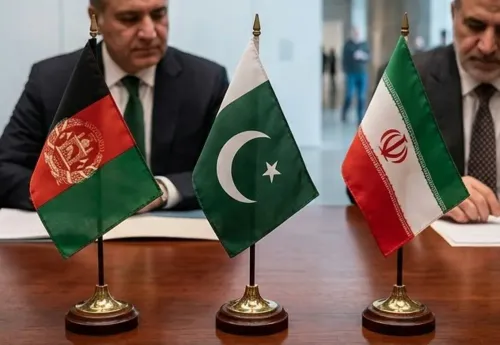
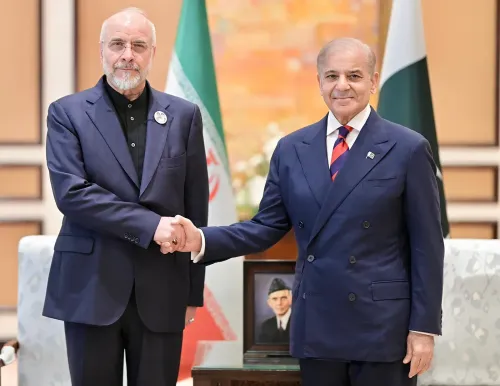
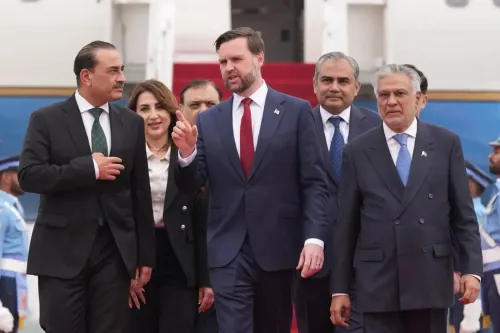
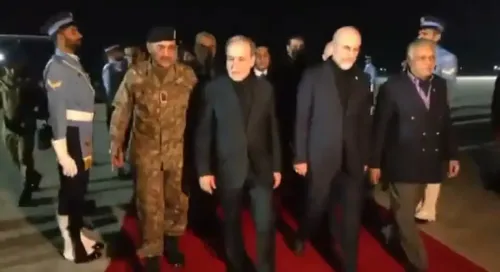
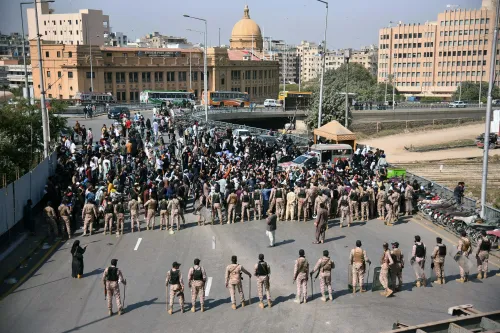
Pakistan suffered economic losses from the restrictions imposed in Islamabad last week, as local authorities anticipated the arrival of dignitaries for Iran-US talks that ultimately did not take place, according to a report in Dawn, Pakistan's leading English-language daily. Several analysts now argue that Islamabad must urgently redirect its attention toward mounting domestic problems — many of which have been aggravated by the ongoing US-Iran conflict — rather than prioritising its role as a diplomatic facilitator on the global stage.
The Cost of Diplomatic Ambition
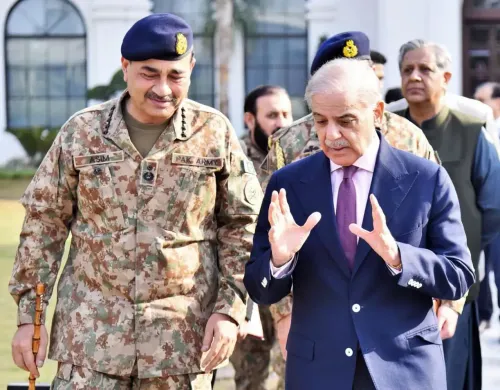
Writing in Dawn, analyst Niaz Murtaza questioned whether a state burdened by its own unresolved crises can effectively mediate in a conflict that has persisted despite years of intervention by far wealthier nations. "As Iran-US talks hit another snag, we must ask if a state with its own problems can successfully facilitate talks by itself on a conflict that persists despite years of strong mediation by many richer states," Murtaza wrote. He noted that the losses from Islamabad's closure last week were compounded by the fact that the talks did not even materialise, citing "American obduracy" as a key factor. Murtaza added that the "same-page synergy" shown by Pakistan's ruling establishment in pursuing the talks has not yielded any major steps for durable, broad progress since its start in 2022.
Economic Vulnerabilities and Structural Weakness
Murtaza asserted that investment, exports, and growth continue to remain weak in Pakistan, while poverty has increased. Despite this, Pakistani authorities have shown little focus on industrial growth to generate employment for the country's youth. The war in West Asia is reportedly refuelling inflation and may further suppress economic growth. Experts cited in the Dawn report believe that even if the Iran-US talks succeed, Pakistan is unlikely to receive significant investment or growth dividends, given the depth of its internal problems. The UAE has reportedly recalled a loan due to the West Asia conflict, while new loans from Saudi Arabia could potentially draw Pakistan into fresh geopolitical entanglements. Inflows from the US, despite reportedly warm ties between US President Donald Trump and Pakistan's ruling elite, are expected to remain minimal — limited perhaps to the mining sector, which analysts warn may deliver more pain than gain.
Security Crises on Multiple Fronts
On the security front, the situation is equally precarious. Conflict with Afghanistan and Islamabad-Kabul talks hosted by China have not succeeded in ending Tehreek-e-Taliban Pakistan (TTP) violence. Meanwhile, unrest in Balochistan continues unabated, with the state reportedly relying on force to suppress symptoms while root causes remain unaddressed — a pattern that, according to analysts, has only deepened discontent and fuelled further violence.
Democratic Erosion and Civil Liberties
Democracy in Pakistan is reportedly being eroded across multiple dimensions: parliamentary, oppositional, electoral, accountability, and societal freedom. Lawyer and activist Imaan Mazari-Hazir and her husband have been jailed for sharing posts on X (formerly Twitter) under the Prevention of Electronic Crimes Act (PECA). The Dawn report warns that Pakistan's involvement in global diplomatic efforts may intensify pressures at home. "Blowbacks and a loss of face cannot be ruled out if the talks between the US and Iran do not succeed. However, gains for the masses in Pakistan will be few if the talks succeed," the report noted.
Elite Capture and the Inertia Cycle
Murtaza identified elite capture as the structural root of Pakistan's governance paralysis. "The inertia is the result of rulers who don't have the capacity to ensure broad progress nor the desire to share their riches, as the reforms require. This lack of change results in economic inertia which, in turn, fuels political grievances that the state then attempts to quell by force," he wrote. He argued that one of the main drivers of this cycle — elite wealth concentration — remains entirely unaddressed. As Pakistan navigates an uncertain geopolitical moment, analysts warn that the gap between its diplomatic posturing and its domestic governance record is widening in ways that could prove increasingly difficult to sustain.
Point of View
But that same energy evaporates when the problem is domestic poverty, TTP violence, or Balochistan. Murtaza's framing of elite wealth as the unaddressed driver of economic inertia is the sharpest insight in this analysis — and the one most likely to be ignored. Pakistan's diplomatic role may earn goodwill in Riyadh and Washington, but it will not pay wages or end militancy at home.
NationPress
23 Sept 2026
Frequently Asked Questions
Why did Pakistan face losses from Islamabad restrictions last week?
Pakistani authorities imposed restrictions in Islamabad in anticipation of dignitaries arriving for Iran-US talks, which ultimately did not take place. The economic losses from those restrictions were compounded by the fact that the diplomatic effort yielded no result, according to a Dawn report.
What domestic problems is Pakistan currently facing?
Pakistan is grappling with weak investment, sluggish exports, rising poverty, TTP violence, Balochistan unrest, and democratic erosion including arrests under PECA laws. Analysts argue these internal crises have been worsened by the ongoing US-Iran conflict and its impact on inflation and growth.
Who is Niaz Murtaza and what did he argue?
Niaz Murtaza is an analyst who wrote in Pakistan's leading daily Dawn, arguing that Pakistan's rulers show "unity and speed on global problems but inertia on internal ones." He identified elite wealth concentration as the structural root of the country's governance paralysis.
What is the PECA law and why is it controversial?
The Prevention of Electronic Crimes Act (PECA) is a Pakistani law used to prosecute individuals for online speech. It has drawn criticism after lawyer-activist Imaan Mazari-Hazir and her husband were jailed for sharing posts on X, raising concerns about democratic freedoms and civil liberties.
Will Pakistan benefit economically if Iran-US talks succeed?
Experts cited in the Dawn report are sceptical, noting that Pakistan has deep structural problems — including recalled UAE loans and limited expected US inflows — that would persist regardless of the talks' outcome. Any gains from the mining sector, one possible area of US investment, could deliver more pain than gain, analysts warn.