Why Are Afghan Refugees Being Detained in Islamabad?
Click to start listening
Synopsis
Pakistani police are stepping up their detentions of Afghan refugees, including a journalist, as deportation operations intensify. Amid human rights concerns, activists call for protection of these vulnerable individuals, emphasizing the need for adherence to international refugee obligations.
Key Takeaways
- Increased Detentions: There has been a significant increase in the arrest of Afghan refugees in Islamabad.
- Human Rights Concerns: Activists are raising alarms over unlawful detentions and deportations.
- Press Freedom at Risk: The arrest of a journalist has sparked fears for media freedom in Pakistan.
- International Obligations: Human rights groups demand adherence to international refugee laws.
- Vulnerability of Refugees: Many Afghan refugees lack legal protection and face deportation threats.
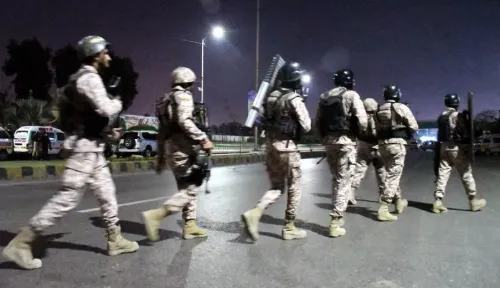
Kabul, Jan 16 (NationPress) Pakistani authorities are ramping up the detention of Afghan refugees in Islamabad, relocating dozens—including a journalist—to makeshift camps amid ongoing deportation efforts, according to local media reports.
The police's actions against Afghan asylum seekers have intensified, aggravating the already challenging situation for displaced communities in Kabul, as highlighted by Afghanistan's prominent news agency, Khaama Press.
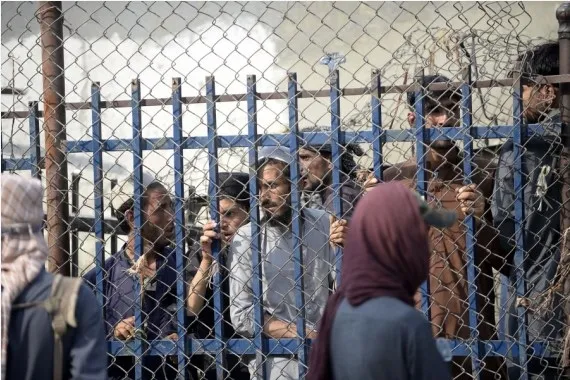
On Wednesday, multiple Afghan refugees were apprehended in Islamabad's B-17 district and taken to a temporary facility known as Haji Camp. Among those detained was a journalist, raising alarms about press freedom and the treatment of media professionals in Pakistan.
Historically, Afghan refugees have voiced concerns over harassment, extortion, and random raids by Pakistani police, particularly in regions like Faisal Town, where officers reportedly conduct operations day and night, often dressed in plain clothes.
Human rights advocates have pointed out that these actions have escalated the climate of fear among refugees, many of whom have lived in Pakistan for years without legal protection, according to Khaama Press.
Human rights organizations have consistently called on Pakistan to adhere to legal processes and international refugee laws, emphasizing that forced deportation could expose Afghans to severe dangers.
Last week, Amnesty International, a leading human rights organization, urged the Pakistani government to shield Afghan refugees from harassment and unlawful mistreatment by security forces.
In an open letter to Prime Minister Shehbaz Sharif, the organization expressed deep concerns over the unlawful detention, harassment, and deportation of Afghan refugees residing in Pakistan, underscoring that they remain vulnerable and require state protection.
The organization demanded that the Pakistani government take immediate action to prevent the deportation of Afghan refugees and ensure their safety in accordance with international human rights standards.
“Pakistani authorities must guarantee the protection of Afghan refugees' rights, especially from arbitrary detention and eviction from refugee camps and their residences,” the letter to the Prime Minister stated.
According to data from the United Nations High Commissioner for Refugees (UNHCR), approximately 110,000 refugees and asylum seekers are facing imminent threats of deportation and therefore require urgent protection. The report also highlighted the particular vulnerability of women, journalists, and human rights defenders if forcibly returned to Afghanistan.
Importantly, Pakistan has provided refuge to Afghan nationals for over 40 years, hosting hundreds of thousands fleeing conflict and political turmoil. However, since the inception of the “Illegal Foreigners Repatriation Plan” in September 2023, the government has intensified efforts to deport undocumented and unverified Afghans, including some with legitimate refugee status.
As per the International Organization for Migration (IOM), 1,495,851 Afghan refugees have returned to Afghanistan since the commencement of the deportation campaign, with nearly half, 778,739, returning in 2025 alone.
Additionally, similar deportation initiatives are occurring in countries like Iran. Since September 2023, estimates indicate that over four million Afghans have been deported or compelled to return from both Pakistan and Iran, with more than 2.6 million returning in 2025.
Point of View
We stand firmly with the notion that every individual deserves protection and respect for their rights, particularly vulnerable groups like Afghan refugees. The current situation demands that authorities adhere to both legal and humanitarian standards.
NationPress
16/01/2026
Frequently Asked Questions
What is happening to Afghan refugees in Pakistan?
Pakistani police have intensified the arrests and deportation of Afghan refugees, leading to increased fears among these communities.
Why is there concern about press freedom?
The detention of a journalist among Afghan refugees has raised alarms about the treatment of media personnel and press freedom in Pakistan.
What have human rights organizations said?
Organizations like Amnesty International have urged Pakistan to protect Afghan refugees from unlawful detention, harassment, and deportation.
How many Afghan refugees are currently at risk?
Around 110,000 Afghan refugees and asylum seekers are reported to be facing direct threats of deportation.
What has been the historical context of Afghan refugees in Pakistan?
Pakistan has hosted Afghan refugees for over 40 years, providing shelter to hundreds of thousands fleeing conflict and political instability.