Pakistan reports 8th polio case of 2026 in Khyber Pakhtunkhwa, sixth from the province
Synopsis
Pakistan's eighth confirmed polio case of 2026 — a 13-month-old girl in Khyber District — is the sixth from Khyber Pakhtunkhwa alone, revealing that active virus circulation persists despite four large-scale national campaigns already protecting over 45 million children this year. With Pakistan and Afghanistan the world's last two polio-endemic countries, the Peshawar Block's continued positive environmental detections signal a stubborn reservoir that campaigns alone have not been able to crack.
Key Takeaways
Pakistan has recorded its 8th polio case of 2026 — a 13-month-old girl from Union Council Janbaz-B, Tehsil Bara, Khyber District .
6 of 8 cases this year are from Khyber Pakhtunkhwa ; 4 are from southern KP, and 2 from Sindh .
Environmental surveillance in the Peshawar Block continues to show active poliovirus detections.
Four large-scale campaigns in 2026 have protected over 45 million children ; a subnational September drive covered 29.3 million .
The next campaign runs 2–8 November 2026 , targeting nearly 24 million children in 97 districts .
Pakistan has cut cases by 99.8% — from an estimated 20,000 in the early 1990s to 31 in 2025 — but remains one of only two polio-endemic countries worldwide.
Pakistan has recorded its eighth polio case of 2026, this time in a 13-month-old girl from Union Council Janbaz-B in Tehsil Bara, Khyber District, Khyber Pakhtunkhwa (KP) — exposing persistent gaps in vaccination coverage despite four large-scale nationwide campaigns already conducted this year. The case underscores that active poliovirus transmission continues in the Peshawar Block, even as the country has slashed its caseload by 99.8% over three decades.
Case Details and Geographic Concentration
The latest confirmed case is the second from Khyber District in 2026 and the sixth from Khyber Pakhtunkhwa province alone, according to reports citing Geo News. Of the eight cases reported nationally this year, four are from southern KP and two from Sindh, indicating a pronounced geographic concentration of active virus circulation. Officials have acknowledged that environmental surveillance in the Peshawar Block — comprising Khyber and Peshawar districts — has continued to show positive poliovirus detections, a reliable indicator of broader community spread beyond confirmed clinical cases.
Response by the Pakistan Polio Eradication Initiative
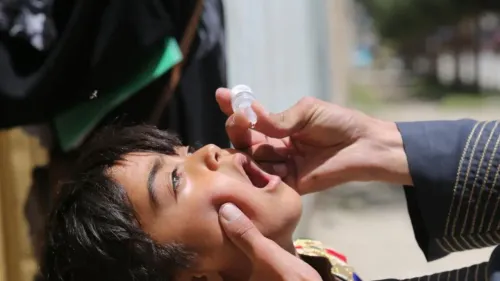
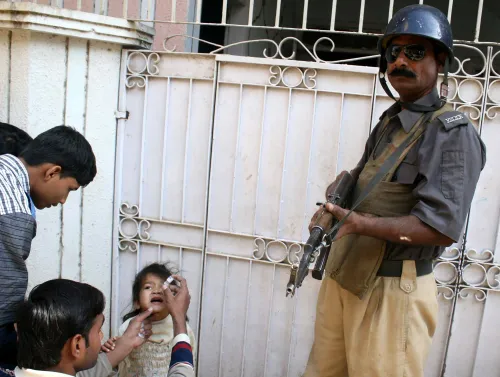
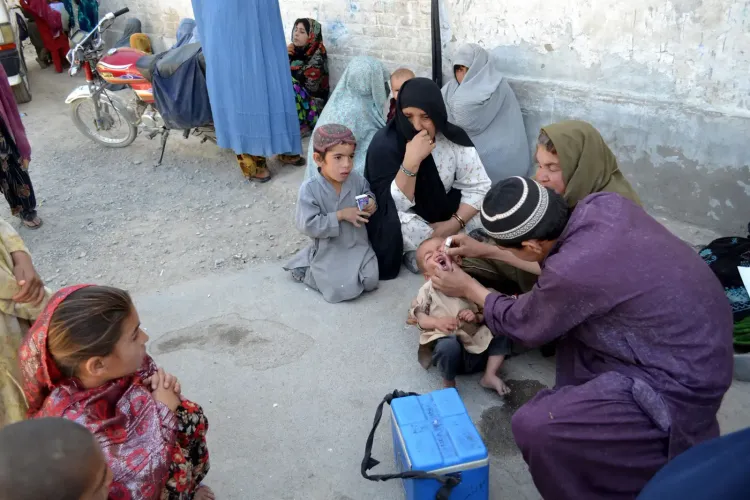
The Pakistan Polio Eradication Initiative (PEI) has launched a case investigation following the new detection and is evaluating a targeted response to contain further transmission. Measures under consideration include targeted vaccination drives and reinforced routine immunisation support in high-risk areas. Notably, a subnational campaign in September 2026 reportedly reached over 29.3 million children. The next campaign round, scheduled from 2 to 8 November 2026, aims to cover nearly 24 million children across 97 districts, including Khyber.
Decades of Progress, but the Virus Persists
In the early 1990s, Pakistan recorded an estimated 20,000 polio cases annually. By 2025, that figure had fallen to 31 — a reduction of 99.8% that represents one of public health's most significant achievements. Yet the country has not been able to reach zero, and 2026 is on track to add to the tally. According to the report, repeated immunisations have helped almost every country in the world eliminate the disease, leaving Pakistan and Afghanistan as the only two remaining endemic nations.
Why Eradication Remains Elusive
Experts and officials have long flagged a combination of factors that frustrate eradication in KP and parts of Sindh: inaccessible terrain, vaccine hesitancy in some communities, population movement across porous borders with Afghanistan, and gaps in routine immunisation that allow susceptible cohorts to accumulate. The persistence of positive environmental detections in the Peshawar Block — even when clinical case counts appear low — suggests the virus is circulating at levels that sporadic campaigns alone cannot suppress. This is the sixth confirmed case from KP this year, a province that has historically been the hardest to reach.
What Comes Next
The PEI is expected to complete its case investigation and release operational recommendations shortly. The upcoming November 2–8 campaign will be a critical test of whether scaled-up coverage can interrupt transmission in the Peshawar Block before winter. Public health observers will watch whether environmental surveillance turns negative in coming weeks — the clearest signal that virus circulation has been broken.
Point of View
And the Peshawar Block is proving it. Six of eight cases this year clustering in Khyber Pakhtunkhwa is not a random distribution; it reflects the convergence of cross-border movement with Afghanistan, uneven routine immunisation, and difficult terrain that campaign strategies have repeatedly failed to penetrate. The persistence of positive environmental detections even between campaigns suggests that clinical case counts understate the scale of exposure. Until Pakistan can sustain routine immunisation coverage that does not rely on periodic mass drives to plug the gaps, it will keep reporting 'eighth cases' indefinitely.
NationPress
2 Nov 2026
Frequently Asked Questions
What is Pakistan's 8th polio case of 2026?
It is a confirmed poliovirus infection in a 13-month-old girl from Union Council Janbaz-B in Tehsil Bara, Khyber District, Khyber Pakhtunkhwa — reported in November 2026. The case is the second from Khyber District this year and the sixth from Khyber Pakhtunkhwa province.
Why does Pakistan still have polio despite vaccination campaigns?
Experts point to a combination of porous borders with Afghanistan enabling cross-border virus movement, inaccessible terrain in parts of Khyber Pakhtunkhwa, pockets of vaccine hesitancy, and gaps in routine immunisation that allow susceptible children to accumulate between campaigns. Environmental surveillance in the Peshawar Block has continued to show positive poliovirus detections, indicating ongoing community-level circulation.
Which regions of Pakistan are most affected by polio in 2026?
Of the eight confirmed cases in 2026, six are from Khyber Pakhtunkhwa — four from southern KP alone — and two from Sindh. Khyber and Peshawar districts, collectively called the Peshawar Block, have shown the most persistent environmental virus detections.
What is Pakistan doing to stop further polio transmission?
The Pakistan Polio Eradication Initiative has launched a case investigation and is evaluating targeted vaccinations and routine immunisation support in high-risk areas. A nationwide campaign covering nearly 24 million children across 97 districts is scheduled from 2 to 8 November 2026.
Is Pakistan close to eliminating polio?
Pakistan has reduced annual polio cases by 99.8% — from an estimated 20,000 in the early 1990s to 31 in 2025 — but remains one of only two countries in the world, alongside Afghanistan, where polio is still endemic. Eliminating the final cases has proven significantly harder than achieving the bulk of that reduction.