Pakistan's Diplomatic Struggles: A Report on US-Iran Talks
Synopsis
A recent report underscores Pakistan's struggle to act as a mediator in the US-Iran talks, emphasizing the need for internal stability before engaging in international diplomacy. The failed Islamabad discussions highlight the complexities of regional politics and the challenges faced by Pakistan.
Key Takeaways
Pakistan must secure its own peace before acting as a mediator.
The Islamabad talks between Iran and the US fell short of achieving lasting peace.
Pakistan lacks the diplomatic leverage to address complex regional issues.
The Saudi-Pakistan Mutual Defence Agreement's effectiveness is in question.
Future diplomatic efforts require a reassessment of Pakistan's foreign policy strategy.
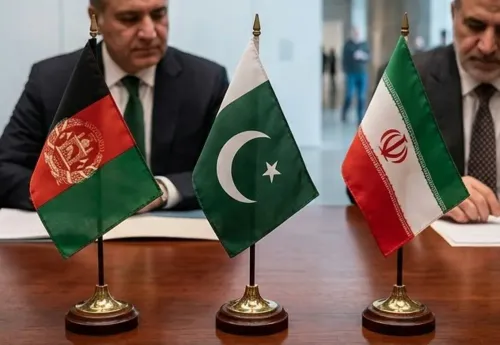
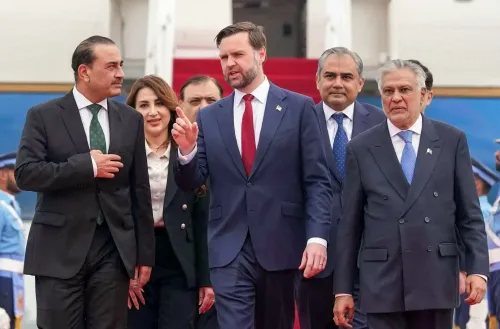
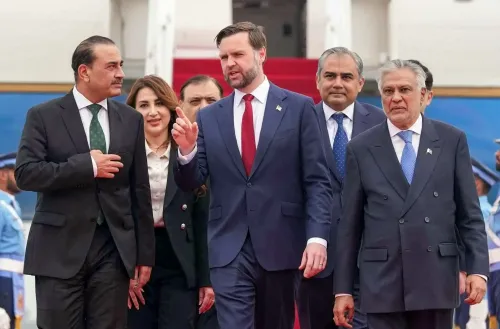
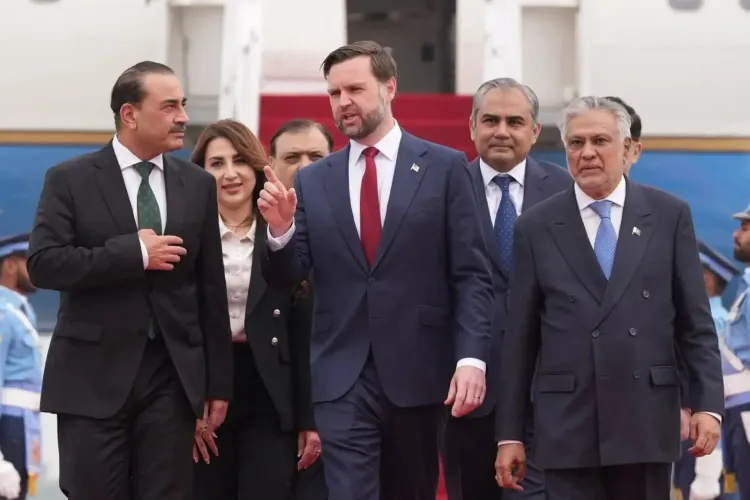
Washington, April 16 (NationPress) Pakistan must prioritize its own stability before taking on the role of an international mediator, a recent report emphasized, referencing the unsuccessful talks held in Islamabad between Iran and the United States.
In an article for the US publication 'Inkstick Media', Marcus Andreopoulos pointed out that while Pakistan's attempts to broker a temporary ceasefire initially garnered attention globally, that optimism was short-lived after US Vice President J D Vance announced the absence of an agreement.
“Bringing both parties to discussions was merely the first step; the true challenge was Pakistan’s capability to foster a lasting peace agreement in the Middle East. This was an objective that the Islamabad discussions ultimately failed to fulfill,” Andreopoulos articulated.
The failure of this diplomatic effort, he noted, should not have come as a surprise.
“Pakistan lacked the necessary leverage or diplomatic skill to address the complex and contentious issues that dominated the Islamabad meeting, which included access to the Strait of Hormuz, the ongoing conflict in Lebanon, Iran's nuclear ambitions, sanctions relief, and compensation. Additionally, Islamabad had to weigh the ramifications of any concessions made to Iran against its relationship with Saudi Arabia. Riyadh has expressed significant concerns about Tehran's control over the Strait of Hormuz and the reported imposition of passage fees,” he elaborated.
He further explained how the ongoing conflict in West Asia and tensions arising from the situation in Afghanistan and Pakistan have cast substantial doubt on the viability of the recent Saudi-Pakistan Mutual Defence Agreement, just six months after its signing, as neither nation seems prepared to assist the other.
“The conflict initiated by Trump's actions against Iran has revealed not only the military vulnerabilities of the Saudi-Pakistan agreement but has also highlighted the fundamental political differences between the two nations. Since the Hamas-led assault on October 7, 2023, and Israel's subsequent actions in Gaza, Islamabad has attempted to offer diplomatic support to Tehran while striving to avoid alienating Saudi Arabia or drawing condemnation from the US,” he stated.
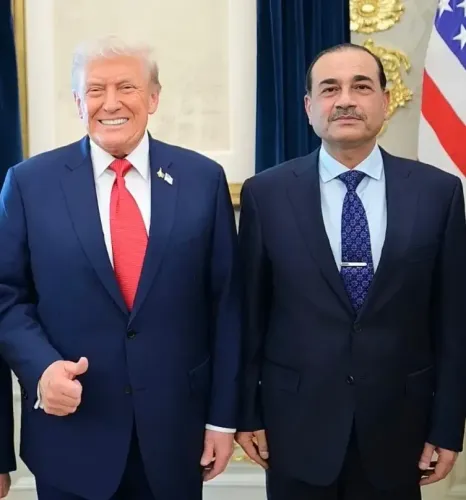
“At the same time, Pakistan has engaged in a diplomatic outreach to the Trump administration, even nominating the President for the Nobel Peace Prize twice, and participating as a founding member of the so-called 'Board of Peace'. Until recently, Pakistan maintained this seemingly contradictory foreign policy without significant objection,” Andreopoulos asserted.
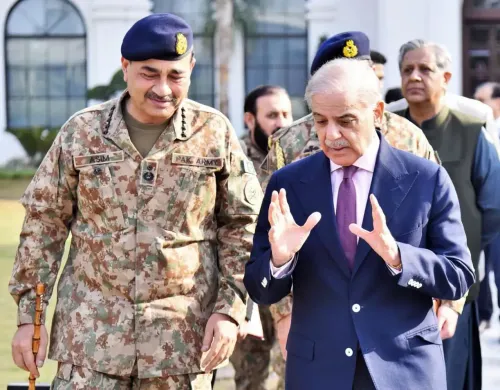
He referenced an incident where hundreds of Pakistanis displayed unrest outside the US Consulate in Karachi following the death of Iranian Supreme Leader Ayatollah Ali Khamenei, indicating that despite Prime Minister Shehbaz Sharif's intention to foster good relations with President Donald Trump, there are evident political limitations on Pakistan's ability to openly support US actions in the Middle East.
“The situation in the Middle East now holds an uncertain future. What is clear, however, is that the Saudi-Pakistan defence pact requires a significant reassessment if it is to restore its credibility as a viable deterrent. When it was established last September, the treaty was met with enthusiasm, but there is still no sign that either Islamabad or Riyadh will provide mutual support, rendering the agreement largely ineffective. The survival of this pact amid ongoing hostilities in the Middle East and South Asia is questionable. What value does a pact hold if it fails to prevent conflict and ensure military backing from its signatories?” he concluded.
Point of View
It's essential to recognize the delicate balance Pakistan must maintain in regional diplomacy. The recent failed talks with Iran underscore the importance of prioritizing national stability before engaging as a mediator on the international stage. This report highlights the intricate web of alliances and conflicts affecting Pakistan's foreign policy.
NationPress
16 Sept 2026
Frequently Asked Questions
What were the Islamabad talks about?
The Islamabad talks aimed to mediate discussions between Iran and the United States regarding various contentious issues, including Iran's nuclear program and regional conflicts.
Why did the talks fail?
The talks failed due to Pakistan's lack of diplomatic leverage and the complexity of the issues at hand, which included significant concerns from both Iran and Saudi Arabia.
What is the significance of the Saudi-Pakistan Mutual Defence Agreement?
The Saudi-Pakistan Mutual Defence Agreement was intended to strengthen military cooperation; however, its effectiveness is now in question due to recent geopolitical tensions.
How does Pakistan's relationship with the US influence its diplomacy?
Pakistan's relationship with the US is critical as it seeks to navigate complex regional dynamics while trying to maintain good relations with both Iran and Saudi Arabia.
What does the future hold for Pakistan's diplomatic efforts?
The future of Pakistan's diplomatic efforts remains uncertain as it grapples with internal stability and external pressures from conflicting alliances.