Pakistan fertiliser crisis: Hormuz closure sends DAP prices up 47%

Synopsis
Pakistan's claim of fertiliser self-sufficiency has always had a hidden crack — and the Strait of Hormuz closure just split it open. With DAP prices up 47% and sales down 23% in the Rabi season, a decades-long policy blind spot on phosphate imports is now threatening wheat, rice, and cotton yields at the worst possible time.
Key Takeaways
Urea prices have surged nearly 47 per cent in under a month following the Strait of Hormuz closure.
DAP sales dropped 23 per cent during the October–January Rabi season , with prices reaching Rs 14,000 per 50-kg bag .
Fauji Fertiliser Company at Port Qasim produces only 800,000 tonnes of DAP annually against national demand of 1.3–2.3 million tonnes .
Nearly 20 per cent of global phosphate trade transits the Strait of Hormuz , directly disrupting Pakistan's imports.
Pakistan spends over Rs 200 billion annually on gas subsidies for fertiliser producers but has not invested in domestic phosphate capacity.
Farmers substituting DAP with urea risk agronomically unsound outcomes and lower yields for wheat , rice , and cotton .
Pakistan is facing a deepening fertiliser crisis as the closure of the Strait of Hormuz exposes long-standing structural vulnerabilities in the country's agricultural economy, according to a report by Daily Mirror. Urea prices have surged nearly 47 per cent in less than a month, with Di-Ammonium Phosphate (DAP) supplies tightening sharply for a country that imports nearly half its phosphate fertiliser requirements from the Middle East.
The Structural Imbalance in Pakistan's Fertiliser Policy
Pakistan has long claimed near self-sufficiency in urea production, backed by decades of policy that subsidised natural gas for domestic producers. However, no comparable support was ever extended to phosphate fertilisers, creating a dual system in which urea is abundant while DAP remains critically import-dependent, the report noted.
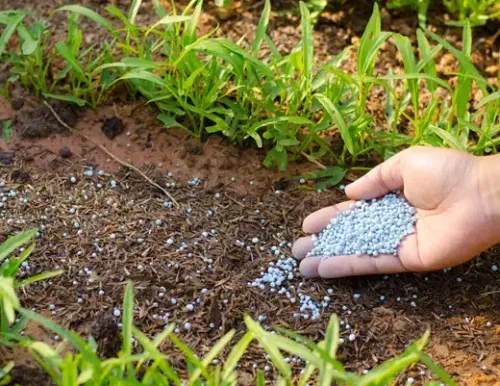
DAP accounts for roughly 15–18 per cent of Pakistan's total fertiliser consumption and is vital for key crops including wheat, rice, and cotton. Unlike urea, DAP production requires rock phosphate — a resource Pakistan does not possess in meaningful quantities.
Limited Domestic Output, Massive Supply Gap
Domestic DAP production is largely limited to a single facility operated by Fauji Fertiliser Company at Port Qasim, which produces approximately 800,000 tonnes annually. National demand, however, ranges between 1.3 million and 2.3 million tonnes — leaving a structural shortfall that has historically been filled through imports.
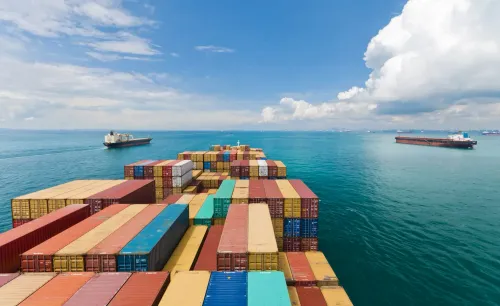
Nearly 20 per cent of global phosphate trade passes through the Strait of Hormuz. Its closure has disrupted shipments and pushed international DAP prices sharply higher, hitting Pakistan's import-dependent supply chain with particular force.
Impact on Farmers and the Rabi Season
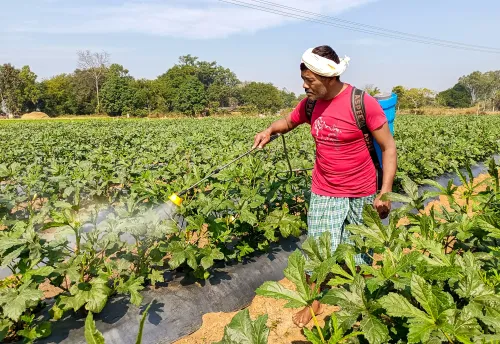
The consequences are already visible on the ground. DAP sales dropped by 23 per cent during the October–January period of the current Rabi season, as prices climbed to around Rs 14,000 per 50-kg bag. Faced with rising costs, many farmers are reducing DAP usage or substituting it with urea — a shift that agricultural experts warn is agronomically unsound and risks lower yields for key food crops.
Policy Failures Compound the External Shock
Analysts cited in the report argue that the current crisis is not purely the result of external geopolitical shocks, but also reflects years of policy missteps. Despite spending over Rs 200 billion annually on gas subsidies for fertiliser producers, the government did little to build domestic phosphate capacity or diversify supply chains.
Critics argue the subsidy structure boosted industry profits without addressing the underlying vulnerability in fertiliser supply. This is not the first time Pakistan's agricultural sector has been exposed by import dependence — but the scale of the current disruption, compounded by Middle East tensions, has made the structural gaps harder to ignore. How Islamabad responds in the coming weeks could determine whether the damage remains seasonal or deepens into a broader food security concern.
Point of View
But the real story is that Islamabad spent Rs 200 billion a year reinforcing one half of its fertiliser system while leaving the other exposed. With wheat, rice, and cotton all at risk, this is not just an agricultural story — it is a food security and fiscal stress test arriving simultaneously. The question is whether the crisis will finally force a structural policy correction, or be managed with short-term import deals that leave the underlying vulnerability intact.
NationPress
17 Sept 2026
Frequently Asked Questions
Why is Pakistan facing a fertiliser crisis in 2025?
Pakistan is facing a fertiliser crisis because the closure of the Strait of Hormuz has disrupted global phosphate trade, pushing DAP prices up nearly 47 per cent. Pakistan imports nearly half its DAP requirements from the Middle East, making it acutely vulnerable to this disruption.
What is DAP and why does Pakistan rely on imports?
Di-Ammonium Phosphate (DAP) is a key phosphate fertiliser essential for crops like wheat, rice, and cotton, accounting for 15–18 per cent of Pakistan's total fertiliser use. Pakistan lacks domestic rock phosphate resources and has only one major DAP production facility, leaving a large supply gap filled by imports.
How has the crisis affected Pakistani farmers?
DAP sales fell 23 per cent during the October–January Rabi season as prices climbed to Rs 14,000 per 50-kg bag. Many farmers are reducing DAP usage or substituting it with urea, a move agricultural experts warn is agronomically unsound and risks lower crop yields.
What role does Fauji Fertiliser Company play in Pakistan's DAP supply?
Fauji Fertiliser Company operates the only significant domestic DAP production facility at Port Qasim, producing about 800,000 tonnes annually. This falls well short of national demand of 1.3 to 2.3 million tonnes, leaving a structural shortfall that has historically depended on imports.
Has Pakistan's government addressed the phosphate supply vulnerability?
Critics argue the government has not, despite spending over Rs 200 billion annually on gas subsidies for fertiliser producers. No comparable policy support was extended to building domestic phosphate capacity or securing alternative supply chains, according to the Daily Mirror report.