Is Crony Capitalism and Autocratic Rule Hindering Pakistan's Growth?
Synopsis
What factors are stalling Pakistan's progress? Recent analyses reveal how crony capitalism and authoritarianism are undermining growth and stability in the nation. Discover the challenges the country faces and the implications for its future.
Key Takeaways
Pakistan's current leadership has significant autocratic powers, but progress remains elusive.
The IMF's measures have reduced inflation but hindered growth.
Investment and exports are crucial for economic recovery.
Crony capitalism is undermining stability and growth.
True democracy is necessary for sustainable development.
New Delhi, Jan 21 (NationPress) The present leadership in Pakistan holds greater autocratic authority than any previous administration since Gen Pervez Musharraf, but this power seems more focused on survival than on fostering progress, as noted in a report by Pakistani media.
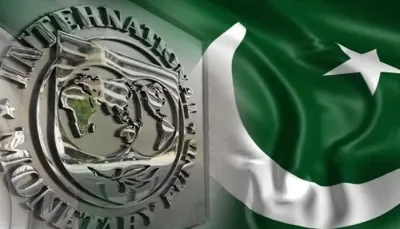
Additionally, the harsh measures imposed by the IMF have been implemented, which managed to reduce inflation but stifled growth. A recent national household survey indicates that to bounce back from the burdens of previous inflation, substantial growth is essential, which the IMF suggests may remain out of reach even in the following year, according to an article from the Dawn newspaper.
"What we are witnessing is crony capitalism, authoritarian excesses, and a significant inability to generate sustainable and fair progress," lamented Dr. Niaz Murtaza in the article.
To stimulate growth and address the escalating external deficit, the current regime must increase both investment and exports. However, its most notable strategy for exports appears to involve forming committees of uninformed individuals, while its best investment strategy seems to be a rush to the Gulf states, the article pointed out. Yet, despite numerous meetings, Saudi Arabia and other nations have offered minimal financial support.
The nation requires industrial development, yet it is pursuing options like cryptocurrency, corporate farming, mining, and defense exports that may hinder the growth of major industries.
The article noted that while Pakistan's crony capitalism is incapable of delivering stability and growth, the IMF's neoliberal approach falls short in terms of equity and sustainability.
In the near term, the country will likely continue to feign adherence to neoliberalism while genuinely engaging in crony capitalism through import-driven growth rather than focusing on export-led economic expansion.
"Throughout our brief growth surges in recent decades, foreign reserves have diminished despite growth, as the increase stemmed from rising imports instead of exports. This situation exacerbates the current deficit, depletes foreign reserves, and leads us back to the IMF," the article added.
"The lofty aspirations of the civilian leadership revolve around generating growth before elections to escape the economic and political dependencies imposed by the IMF and other hidden forces. However, given the persistent inability to boost foreign reserves despite the three-pronged strategy of 'beg, borrow, and squeeze' from local markets, they may have to continue serving these dependencies for an extended period. Meanwhile, the prospects for the populace will remain bleak until true democracy and civilian governance prevail," the article concluded.
Point of View
I believe it is crucial to highlight that while Pakistan grapples with significant challenges, the pursuit of genuine democratic governance is essential for fostering sustainable growth and prosperity. The nation must overcome the shackles of crony capitalism to truly unlock its potential.
NationPress
11 Oct 2026
Frequently Asked Questions
What is crony capitalism?
Crony capitalism refers to an economic system characterized by close relationships between business leaders and government officials, leading to favoritism in the distribution of legal permits, government grants, and tax breaks.
How does the IMF influence Pakistan's economy?
The IMF provides financial assistance to countries facing economic challenges, but its stringent conditions can lead to austerity measures that may hinder growth and exacerbate social issues.
What are the consequences of import-led growth?
Import-led growth can lead to a trade deficit, depleting foreign reserves and making countries reliant on external financing, which can create economic instability.
Why is industrialization important for Pakistan?
Industrialization is vital for creating jobs, boosting exports, and fostering sustainable economic growth, which can help improve the living standards of the population.
What role does democracy play in economic development?
Democracy promotes accountability and transparency, essential for sustainable economic policies that benefit the entire population rather than just a select few.