Pakistan's US-Iran mediation push driven by economic desperation: Report
Synopsis
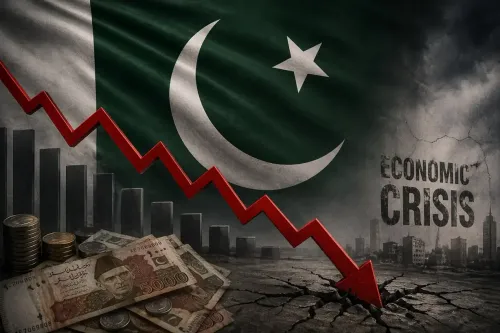
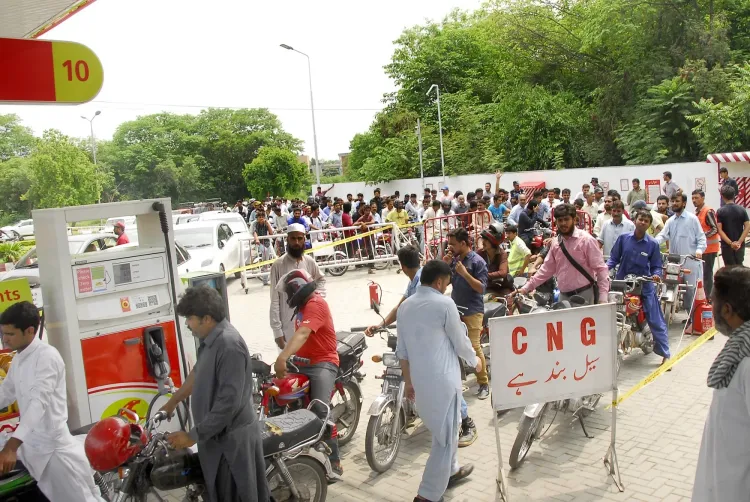
Pakistan's push to mediate between Washington and Tehran isn't diplomacy for diplomacy's sake — it's a survival move. With a $7 billion IMF lifeline, oil making up nearly 17% of imports, and a 3,400-megawatt electricity shortfall, Islamabad needs regional energy stability far more than it needs geopolitical credit.
Key Takeaways
Pakistan is actively mediating in the US-Iran conflict, driven primarily by economic rather than geopolitical motives, according to a calcalistech.com report.
The country is operating under a $7 billion IMF bailout and is targeting foreign exchange reserves of $18 billion by end of June 2025 .
Oil accounted for 16.64% of Pakistan's imports in the first quarter of its fiscal year, making it acutely vulnerable to energy price volatility.
Pakistan's electricity shortfall reportedly doubled to 3,400 megawatts , with parts of northern Pakistan facing up to seven-hour daily power outages.
The Pakistani Ministry of Commerce acknowledges that some transactions with Iran still occur through barter due to the absence of formal banking channels.
Pakistan's diplomatic drive to broker an end to the US-Iran conflict is not merely a geopolitical manoeuvre — it is, according to a new report, an act of economic self-preservation. The report, published by calcalistech.com, argues that successful mediation could shield Islamabad from a cascade of energy-price shocks, currency instability, and fiscal stress at a moment when the country can least afford them.
The Economic Stakes Behind the Diplomacy
Pakistan is an energy-importing nation currently operating under a $7 billion IMF bailout programme. Its central bank has set a target of raising foreign exchange reserves to approximately $18 billion by the end of June 2025. Against this backdrop, any escalation in the US-Iran standoff carries direct consequences for Islamabad's fragile economic recovery.
According to official data cited in the report, oil accounted for 16.64% of Pakistan's total imports in the first quarter of its current fiscal year.
Point of View
Islamabad has no buffer against an energy shock. What is being framed as regional statesmanship is, at its core, a hedge against the next IMF review. The barter trade acknowledgement with Iran is particularly telling — it reveals the depth of Pakistan's economic entanglement with Tehran even as it publicly navigates Washington's red lines.
NationPress
16 Sept 2026
Frequently Asked Questions
Why is Pakistan trying to mediate between the US and Iran?
Pakistan is pursuing mediation primarily to protect its own economy from the fallout of a prolonged US-Iran conflict. As an energy importer operating under a $7 billion IMF bailout, Pakistan is highly vulnerable to oil price spikes and regional energy disruptions.
How dependent is Pakistan on oil imports?
Oil accounted for 16.64% of Pakistan's total imports in the first quarter of its current fiscal year, according to official data. This makes any rise in global oil prices or shipping disruptions a direct threat to Pakistan's inflation outlook and currency stability.
What is Pakistan's current electricity crisis?
Pakistan's electricity shortfall reportedly doubled to 3,400 megawatts, with parts of northern Pakistan experiencing power outages of up to seven hours a day. The country's heavy dependence on Gulf LNG, particularly from Qatar, has amplified this vulnerability.
What is the status of Pakistan's IMF programme?
Pakistan entered its mediation effort while relying on a $7 billion IMF bailout programme. Its central bank has targeted raising foreign exchange reserves to around $18 billion by the end of June 2025.
Does Pakistan trade with Iran despite sanctions?
Yes. The Pakistani Ministry of Commerce has acknowledged that due to the absence of formal banking channels with Iran, some transactions still take place through barter, highlighting the depth of economic ties between the two neighbours.