Pakistan's KP emergency rule condemned as military-backed power grab
Synopsis
Pakistan's federal government invoked emergency rule in Khyber Pakhtunkhwa on 11 October, jailing elected Chief Minister Sohail Afridi, cutting the internet, and deploying the army — just as PTI's long march was heading to Islamabad. International rights groups are calling it a military-backed dismantling of a democratically elected provincial government, and PTI says the constitutional struggle is far from over.
Key Takeaways
Pakistan imposed Governor's Rule in Khyber Pakhtunkhwa on 11 October under Articles 232 and 234 of the Constitution, approved by President Asif Ali Zardari .
Elected Chief Minister Sohail Afridi and several cabinet members were detained shortly after the emergency declaration.
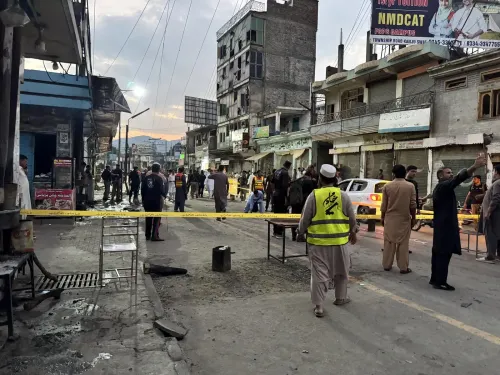
The emergency covers 11 districts including Bannu, Bajaur, North Waziristan, and South Waziristan , with Pakistan Army deployed in support of civil power.
The International Human Rights Foundation (IHRF) condemned the move as a 'military-backed power grab' and demanded the release of all detained leaders.
PTI leader Sheikh Waqas Akram called the emergency an 'unconstitutional attempt to dismantle an elected government,' noting it coincided with PTI's peaceful long march to Islamabad.
PTI has pledged to continue its constitutional struggle despite the federal clampdown on the province.
The International Human Rights Foundation (IHRF) on Tuesday, 13 October 2026 condemned Pakistan's decision to impose emergency rule in Khyber Pakhtunkhwa (KP), calling it a 'military-backed power grab' and demanding the immediate release of detained Khyber Pakhtunkhwa Chief Minister Sohail Afridi and other elected leaders. The condemnation follows the federal government's invocation of Articles 232 and 234 of the Pakistani Constitution on 11 October, placing the province under Governor's Rule.
What Triggered the Emergency
The emergency proclamation was approved by President Asif Ali Zardari on the recommendation of Prime Minister Shehbaz Sharif's cabinet on 11 October, according to Pakistani daily Dawn. The order covers 11 districts of Khyber Pakhtunkhwa — Bannu, Bajaur, Mohmand, Khyber, Kurram, Orakzai, Dera Ismail Khan, Tank, Lakki Marwat, North Waziristan, and South Waziristan. The federal government simultaneously approved the deployment of Pakistan Army personnel and assets in support of civil power across the province.
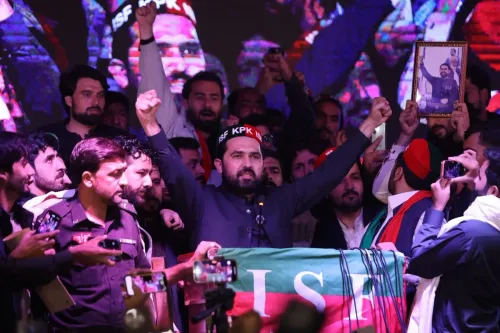
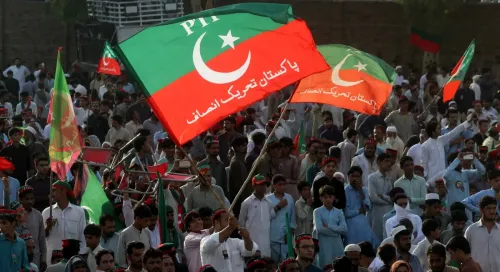
The timing is sharply contested: the emergency was declared as the Pakistan Tehreek-e-Insaf (PTI) was conducting a long march towards Islamabad, led by Chief Minister Afridi himself. PTI has pledged to continue with its planned protest, even as provincial authorities have been ordered to prevent any such mobilisation.
CM Afridi and Cabinet Members Detained
Shortly after the imposition of Governor's Rule, Chief Minister Sohail Afridi and several cabinet members of the Khyber Pakhtunkhwa government were detained. PTI reported the detentions on 11 October. The IHRF, in a post on X, described the situation in stark terms: 'Troops in the streets, an elected chief minister jailed, internet cut: Pakistan's emergency rule in Khyber Pakhtunkhwa is a military-backed power grab. Sohail Afridi and all detained leaders must be freed. Rights cannot be suspended by decree.'
PTI's Condemnation and Constitutional Challenge
PTI leader Sheikh Waqas Akram strongly condemned both the emergency declaration and the arrest of Chief Minister Afridi. In posts on X, Akram called Afridi's detention 'a serious assault on the democratic mandate of the people of the province' that 'undermines constitutional governance.' He argued the move 'further deepens political polarisation and erodes public confidence in democratic institutions,' demanding Afridi's immediate release.
On the broader emergency order, Akram stated: 'I unequivocally condemn the federal government's decision to impose emergency and governor's rule in Khyber Pakhtunkhwa under Articles 232 and 234. This is a direct assault on the democratic mandate of the people of KP, a clear violation of provincial autonomy, and an unconstitutional attempt to dismantle an elected government. The timing of this move, coinciding with PTI's peaceful long march, lays bare its political intent. We demand its immediate and unconditional withdrawal. The constitutional struggle continues.'
Rights Groups Sound the Alarm
The IHRF's intervention underscores growing international concern over the erosion of democratic norms in Pakistan. The organisation stressed that fundamental rights cannot be suspended through executive decrees, and called on authorities to restore constitutional order in the province. Notably, the combination of internet shutdowns, military deployment, and the jailing of an elected chief minister represents an escalation beyond ordinary law-and-order measures — a pattern critics say mirrors previous crackdowns on PTI-aligned governance.
What Happens Next
PTI has vowed to continue its constitutional and political resistance despite the clampdown. With an elected provincial government effectively suspended, cabinet members behind bars, and the army deployed across key districts, the crisis in Khyber Pakhtunkhwa is set to intensify pressure on Pakistan's already strained federal-provincial relations. Whether the courts intervene — as they have in previous PTI-related constitutional disputes — will be the critical next development to watch.
Point of View
And the timing makes that undeniable. Invoking Articles 232 and 234 while PTI's long march was en route to Islamabad signals that the federal establishment is choosing constitutional instruments as political weapons, a dangerous precedent in a country already struggling for institutional credibility. The international rights community's swift condemnation matters less for immediate outcomes than for the paper trail it creates, but Pakistan's courts remain the real variable: previous PTI-related constitutional battles were ultimately settled in the judiciary, not the streets. Whether the Supreme Court takes suo motu cognisance of Afridi's detention could define how far this confrontation escalates.
NationPress
13 Oct 2026
Frequently Asked Questions
What is the emergency rule imposed in Khyber Pakhtunkhwa?
Pakistan's federal government imposed Governor's Rule in Khyber Pakhtunkhwa on 11 October 2026 under Articles 232 and 234 of the Constitution, effectively suspending the elected provincial government. The order, approved by President Asif Ali Zardari on Prime Minister Shehbaz Sharif's cabinet recommendation, covers 11 districts and authorises the deployment of Pakistan Army personnel across the province.
Why was Khyber Pakhtunkhwa Chief Minister Sohail Afridi detained?
Chief Minister Sohail Afridi was detained by authorities shortly after the imposition of Governor's Rule on 11 October 2026. No formal public charges have been detailed in available reports; PTI and international rights groups argue the detention is politically motivated, timed to disrupt the party's long march to Islamabad.
Which districts are covered under Pakistan's KP emergency?
The emergency proclamation covers 11 districts of Khyber Pakhtunkhwa: Bannu, Bajaur, Mohmand, Khyber, Kurram, Orakzai, Dera Ismail Khan, Tank, Lakki Marwat, North Waziristan, and South Waziristan.
What has the International Human Rights Foundation said about the KP emergency?
The IHRF condemned the move as a 'military-backed power grab,' citing troops deployed in the streets, the jailing of an elected chief minister, and an internet shutdown. The foundation demanded the immediate release of Sohail Afridi and all detained leaders, stating that rights cannot be suspended by decree.
What is PTI's response to the emergency rule in Khyber Pakhtunkhwa?
PTI has condemned the emergency as an 'unconstitutional attempt to dismantle an elected government' and a 'direct assault on the democratic mandate of the people of KP.' The party has pledged to continue its planned long march and constitutional resistance, with leader Sheikh Waqas Akram demanding the immediate and unconditional withdrawal of Governor's Rule.