Shocking Organ Trade in Pakistan: Poverty Fuels Illegal Kidney Racket
Synopsis
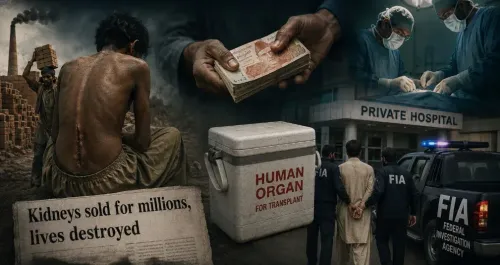
A new report by The Diplomat exposes Pakistan's booming illegal organ trade, where poverty-stricken labourers are coerced into selling kidneys for as little as $1,000 while organs fetch tens of thousands abroad. A 14-year-old was found in an underground lab post-surgery — with a Gulf national on the next stretcher.
Key Takeaways
Pakistan's illegal organ trade is primarily concentrated in the Punjab region , with brokers targeting impoverished workers desperate for loans.
In February 2026 , Muhammad Rafiq reported his cousin's abduction by an organ trafficking ring in Rawalpindi , exposing an organised network of kidnappers and medical personnel.
Organ donors are paid between $1,000 and $3,000 on average, while kidneys are sold internationally for tens of thousands of dollars .
Pakistani police discovered a 14-year-old child in an underground lab post-surgery, with a Gulf national as the recipient on an adjacent stretcher.
Pakistan's Human Organ Transplantation Act of 2010 has failed to deter trafficking due to widespread bribery and weak enforcement mechanisms.
The Diplomat report warns that without stronger international cooperation , Pakistan's organ trafficking industry will continue to thrive unchecked.
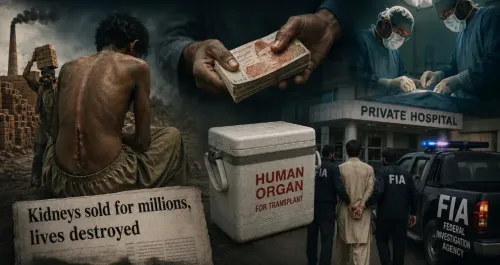
Pakistan's illegal organ trade continues to flourish unchecked, driven by extreme poverty, systemic corruption, and weak law enforcement, according to a detailed report published by The Diplomat on Saturday, April 25, 2026. The report reveals a deeply entrenched criminal network operating primarily in Punjab, Pakistan, where impoverished individuals are coerced or deceived into surrendering their kidneys — often receiving a fraction of what was promised, while organs are sold internationally for tens of thousands of dollars.
A Criminal Network Rooted in Class and Desperation
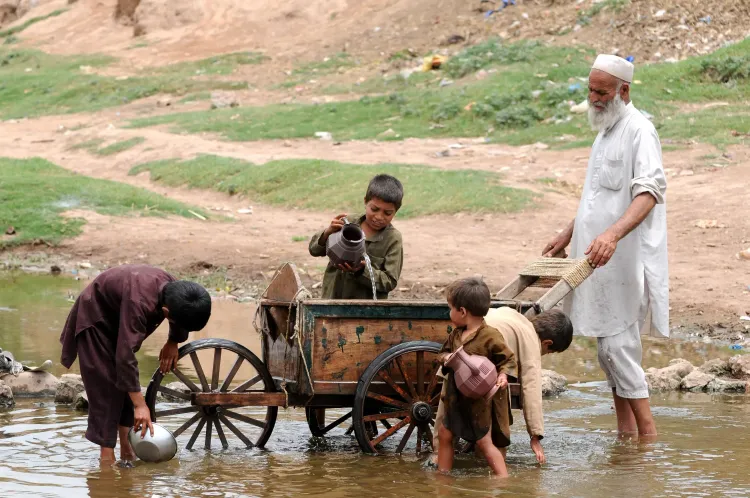
At the heart of Pakistan's organ trafficking crisis is a stark economic reality: extreme poverty creates a near-endless supply of vulnerable individuals willing to accept dangerous medical procedures in exchange for cash. Brokers exploit this desperation by targeting impoverished labourers who urgently need money for medical bills, wedding expenses, dowries, or to repay existing loans.
The victims are not random — they are systematically selected based on their socioeconomic vulnerability. This class-driven targeting means that the poorest segments of Pakistani society bear a disproportionate burden of this criminal enterprise. Donors are typically paid between $1,000 and $3,000 on average, while their kidneys are sold on the black market for tens of thousands of dollars.
In a chilling case highlighted by the report, Muhammad Rafiq revealed in February 2026 that his cousin in Rawalpindi had been abducted by an organ trafficking ring. He identified an entire chain of operatives — from kidnappers to medical staff — who forcibly removed kidneys and sold them to international buyers.
Underground Labs and Unlicensed Surgeries
The report details how surgeries are conducted in unlicensed, clandestine facilities, with patients discharged almost immediately afterward to cut costs. Donors are expected to return to physical labour with little to no recovery time, often suffering long-term health consequences.
In an especially disturbing case, Pakistani police discovered a 14-year-old child in an underground laboratory, his kidney already removed. When the boy regained consciousness, he found an Arab man on a stretcher beside him — illustrating a recurring pattern where wealthy foreigners, frequently from Gulf nations, travel to Pakistan to receive illegal transplants.
Some victims have reportedly required organ transplants themselves later in life due to complications from the forced surgery. Many are paid less than agreed upon — and in several documented cases, they receive no payment at all.
Corruption and Weak Enforcement Enable the Trade
Pakistan's Human Organ Transplantation Authority (HOTA), established under the Transplantation of Human Organs and Tissues Act of 2010, was designed to regulate and restrict organ trade. However, the law has proven largely ineffective. Widespread bribery and institutional indifference toward victims — particularly those from refugee communities, religious minorities, or lower socioeconomic classes — have severely undermined enforcement efforts.
The Diplomat report warns that without stronger external enforcement mechanisms and enhanced international cooperation, Pakistan's organ trafficking industry will continue to thrive. Critics argue that domestic legislation alone cannot dismantle a network that spans borders and involves international buyers, medical professionals, and corrupt officials.
The International Dimension: Gulf Buyers and Cross-Border Trafficking
One of the most troubling aspects of Pakistan's organ trade is its international character. Wealthy recipients — often from Gulf Cooperation Council (GCC) nations — travel to Pakistan specifically to undergo illegal transplants, exploiting the country's weak regulatory environment and the desperation of its poor. This cross-border demand sustains the trade and makes it significantly harder to prosecute.
This phenomenon is not isolated to Pakistan. Globally, the World Health Organization (WHO) estimates that approximately 10,000 illegal organ transplants occur every year. Pakistan, alongside China, India, and parts of Eastern Europe, has been repeatedly flagged as a hotspot for organ trafficking by international human rights organisations.
Why This Matters for India and the Region
For India, Pakistan's thriving organ trade carries direct regional implications. Porous borders, shared criminal networks, and the presence of Indian nationals in Gulf countries that serve as demand hubs all create potential spillover risks. Indian law enforcement agencies have previously flagged cross-border organ trafficking routes that pass through or connect to Pakistani networks.
This comes amid growing global pressure on South Asian governments to strengthen transplant oversight, ratify international anti-trafficking conventions, and establish bilateral enforcement agreements. As of now, Pakistan has shown limited political will to address the structural causes — poverty, corruption, and institutional decay — that allow this dark trade to persist.
With international human rights bodies and investigative journalists continuing to document cases, pressure is mounting on Islamabad to take decisive action. Whether Pakistan's government will respond with meaningful reform or continue to allow systemic impunity remains the critical question in the months ahead.
Point of View
Legally, and morally. The fact that a 14-year-old can be found in an underground surgical facility, his kidney removed for a Gulf buyer, while existing laws gather dust, exposes not just criminal networks but a government complicit through inaction. What's missing from the mainstream narrative is the international demand side: wealthy buyers from Gulf nations are as culpable as the traffickers, yet face zero accountability. India and the broader region must recognise that cross-border organ trafficking networks do not respect sovereignty — and regional enforcement cooperation is no longer optional.
NationPress
20 Sept 2026
Frequently Asked Questions
What is driving Pakistan's illegal organ trade?
Pakistan's illegal organ trade is primarily driven by extreme poverty, which creates a large pool of desperate individuals willing to sell organs for cash. Criminal brokers exploit this vulnerability, targeting indebted labourers and paying them a fraction of what organs fetch on the black market.
How much are organ donors paid in Pakistan's black market?
Donors in Pakistan's illegal organ trade are typically paid between $1,000 and $3,000 on average. In contrast, their kidneys are sold internationally for tens of thousands of dollars, with many donors receiving less than promised — or nothing at all.
Who are the buyers in Pakistan's illegal organ transplant network?
International buyers, frequently wealthy individuals from Gulf Cooperation Council (GCC) nations, travel to Pakistan to receive illegal organ transplants. A case highlighted in The Diplomat report involved a 14-year-old Pakistani boy whose kidney was removed for an Arab recipient in an underground lab.
Why are Pakistan's laws failing to stop organ trafficking?
Despite the Transplantation of Human Organs and Tissues Act of 2010, enforcement remains weak due to widespread bribery and institutional indifference toward victims from poor, minority, or refugee backgrounds. The Diplomat report warns that without stronger international cooperation, the trade will continue.
Where in Pakistan is organ trafficking most prevalent?
Organ trafficking in Pakistan is primarily concentrated in the Punjab region, where organised broker networks coerce or deceive vulnerable workers into illegal surgeries. Operations are conducted in unlicensed underground facilities to evade law enforcement.