Pentagon silent on USFK cuts, reaffirms 'unwavering' South Korea defence
Synopsis
The Pentagon refused to rule out — or confirm — a potential reduction of its 28,500-strong force in South Korea, even as President Trump openly reviewed troop levels in Germany. The studied silence from Washington, paired with ongoing alliance modernisation talks, is fuelling real anxiety in Seoul about the future of a 70-year security partnership.
Key Takeaways
A Pentagon official on 30 April 2025 declined to comment on potential USFK troop reductions, calling the alliance commitment "unwavering." US President Donald Trump said on 29 April his administration is "studying and reviewing" a troop reduction in Germany , triggering concerns about similar moves in South Korea .
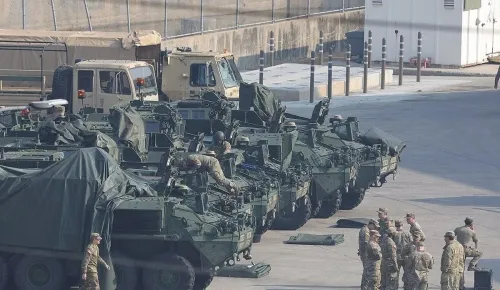
The USFK currently deploys 28,500 US troops on the Korean Peninsula .
The Wall Street Journal previously reported the US was weighing pulling out roughly 4,500 USFK troops to Guam and other Indo-Pacific locations — a claim the Pentagon denied.
Seoul and Washington are in ongoing talks to "modernise" the bilateral alliance, which analysts say could affect US force posture in Korea .
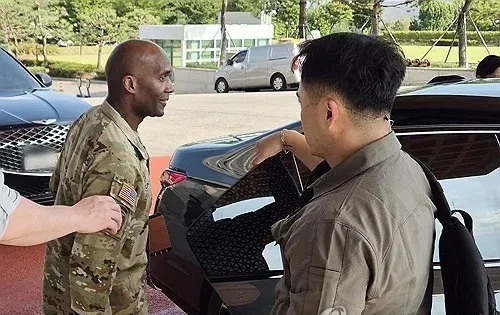
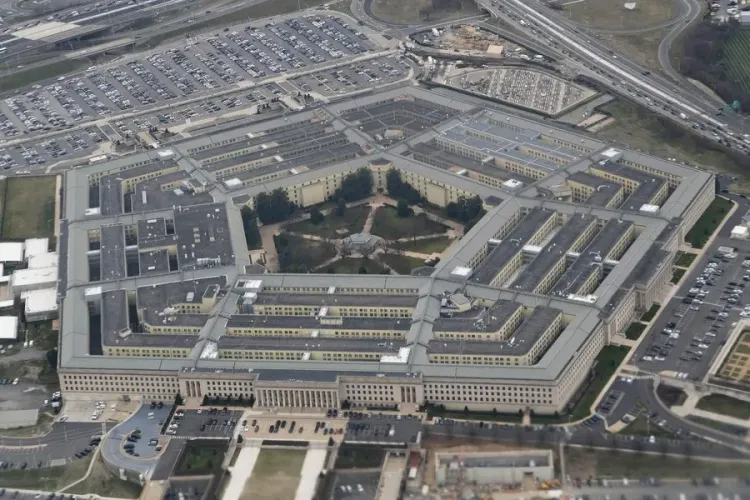
A Pentagon official on Thursday, 30 April declined to comment on a potential United States Forces Korea (USFK) troop reduction, while reaffirming Washington's "unwavering" defence commitment to South Korea, as concerns over a possible drawdown of the 28,500-strong US military presence on the Korean Peninsula resurfaced.
What the Pentagon Said
Responding to a query from Yonhap News Agency, the unnamed Pentagon official stated via email: "The Department does not comment on potential force posture adjustments. US forces in Korea remain focused on deterrence and readiness." The official added: "Our commitment to the defence of the Republic of Korea is unwavering, and the Alliance continues to underpin stability on the (Korean) Peninsula."
The official was specifically responding to questions about whether the Pentagon is ruling out or actively considering a USFK drawdown — a question the department notably left unanswered.
Trump's Germany Remarks Trigger Broader Concerns
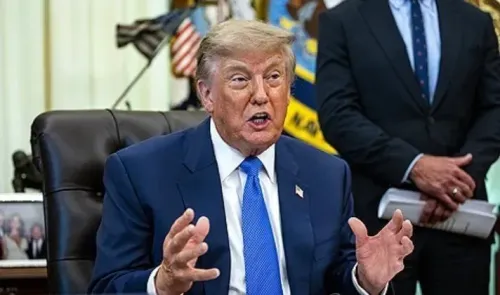
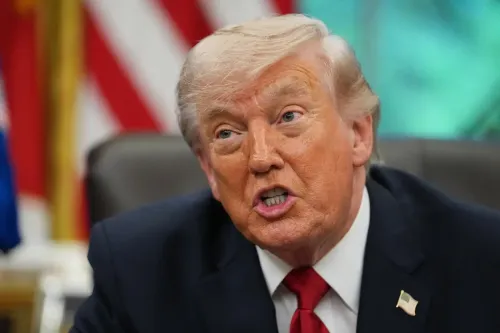
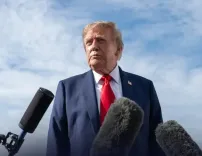
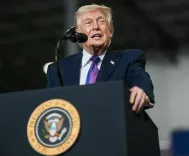
The renewed anxiety over USFK troop levels was sparked by a social media post by US President Donald Trump on Wednesday, 29 April, in which he said his administration is "studying and reviewing" a possible troop reduction in Germany, with a decision expected in "the next short period of time." The statement immediately prompted speculation that similar reviews could extend to other allied nations, including South Korea.
This came on the heels of a Wall Street Journal report indicating that the Trump administration is considering penalising certain North Atlantic Treaty Organisation (NATO) members it perceives as having been unhelpful to the US during the US-Israeli war in Iran.
Background: Alliance Modernisation and Earlier Reports
Seoul and Washington have reportedly been engaged in discussions to "modernise" their bilateral alliance. Analysts suggest this process could result in adjustments to the US force posture in Korea, particularly as Washington seeks greater operational flexibility for its USFK service members across the broader Indo-Pacific region.
Notably, The Wall Street Journal reported last year that the US was weighing the withdrawal of approximately 4,500 USFK troops and their redeployment to other Indo-Pacific locations, including Guam. The Pentagon at the time dismissed that report as "not true."
What This Means for Korean Peninsula Stability
The USFK has been a cornerstone of the US-South Korea alliance for over seven decades, serving as a frontline deterrent against North Korea. Any reduction — even if speculative — carries significant strategic weight, both for regional security and for South Korea's defence calculus. The ambiguity in the Pentagon's response, analysts note, is itself a signal worth watching.
With alliance modernisation talks ongoing and the Trump administration signalling a broader reassessment of overseas troop deployments, all eyes will be on whether Washington extends its Germany-style review to the Korean Peninsula in the weeks ahead.
Point of View
In itself, an answer of sorts. When officials decline to rule something out — especially after a president publicly floats troop reductions in allied countries — the silence carries strategic weight. Washington's simultaneous push for 'alliance modernisation' and 'operational flexibility' provides the bureaucratic scaffolding for a future drawdown, should the political will materialise. South Korea, unlike Germany, sits on an active fault line with a nuclear-armed neighbour; the stakes of any miscalculation here are categorically higher. The Trump administration's pattern of leveraging alliance anxiety for burden-sharing leverage makes this ambiguity less accidental and more tactical.
NationPress
19 Sept 2026
Frequently Asked Questions
What did the Pentagon say about possible USFK troop cuts in South Korea?
The Pentagon declined to comment on potential force posture adjustments, stating only that US forces in Korea remain focused on deterrence and readiness and that the commitment to South Korea's defence is unwavering. The department did not rule out or confirm the possibility of a drawdown.
Why are concerns about USFK troop reductions resurfacing now?
Concerns resurfaced after President Trump said on 29 April 2025 that his administration is reviewing a possible troop reduction in Germany. This prompted speculation that similar reviews could be extended to South Korea and other allied nations.
How many US troops are currently stationed in South Korea?
The United States Forces Korea (USFK) currently comprises approximately 28,500 troops, stationed on the Korean Peninsula as a deterrent against North Korea under the longstanding US-South Korea mutual defence alliance.
Has a USFK troop reduction been reported before?
Yes. The Wall Street Journal previously reported that the US was weighing the withdrawal of roughly 4,500 USFK troops for redeployment to other Indo-Pacific locations, including Guam. The Pentagon dismissed that report as 'not true' at the time.
What is 'alliance modernisation' and how does it relate to USFK?
Alliance modernisation refers to ongoing discussions between Seoul and Washington to update the terms and structure of their bilateral security partnership. Analysts say the process could lead to adjustments in US force posture in Korea, particularly as Washington seeks greater operational flexibility for USFK personnel across the Indo-Pacific.