Putin reads Zelensky's open letter, signals openness to dialogue
Synopsis
For the first time in months, the Kremlin has publicly confirmed that Putin read a direct letter from Zelensky proposing a face-to-face meeting — and has not rejected it. Peskov's 'Putin is open to dialogue' line is the clearest signal yet from Moscow that a diplomatic channel, however narrow, remains open.
Key Takeaways
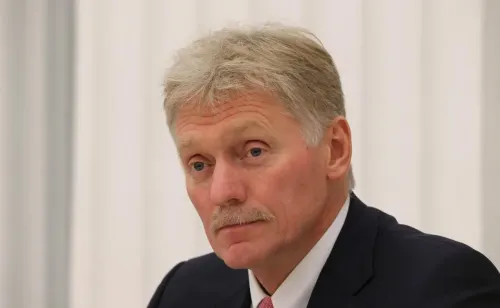
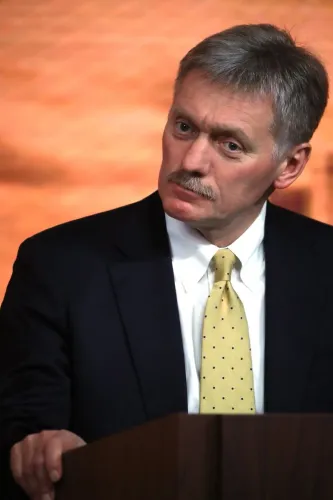
Kremlin spokesperson Dmitry Peskov confirmed on 5 June that President Putin received and read an open letter from President Zelensky .
Zelensky proposed a direct meeting, offering Switzerland , Turkey , and Arab world nations as host venues.
Ukraine offered a full ceasefire for the duration of any negotiations.
Peskov said 'Putin is open to dialogue' and that Russia is not the initiator of the current diplomatic silence.
Russia confirmed it continues to communicate with the United States through existing channels.
No meeting date has been set and the Kremlin has not formally accepted the proposal.
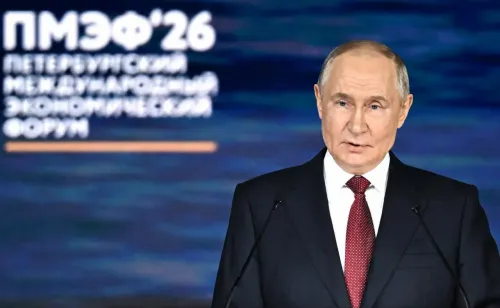
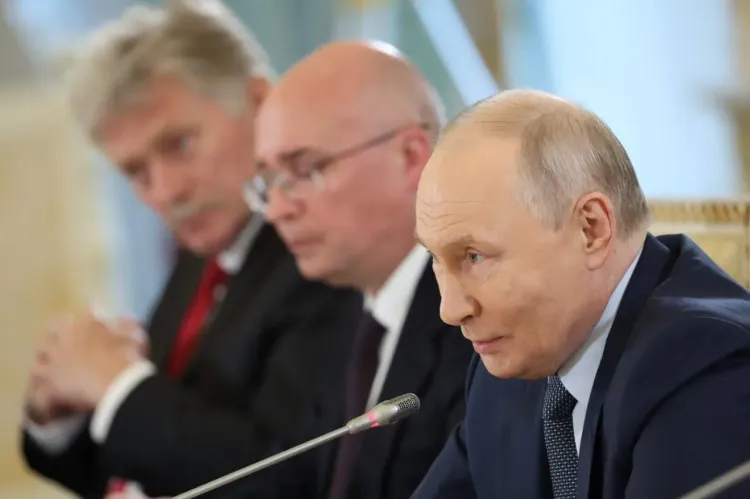
Russian President Vladimir Putin has received and read an open letter from Ukrainian President Volodymyr Zelensky proposing direct talks, Kremlin spokesperson Dmitry Peskov confirmed on 5 June on the sidelines of the Saint Petersburg International Economic Forum (SPIEF). Peskov's disclosure, made in an interview with Russian outlet Izvestia, marks one of the clearest public signals from Moscow of willingness to re-engage since the war entered its current phase.
What Zelensky's Letter Proposed
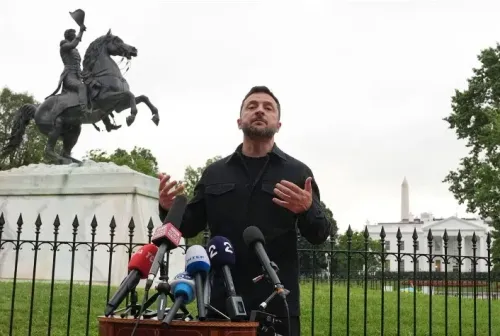
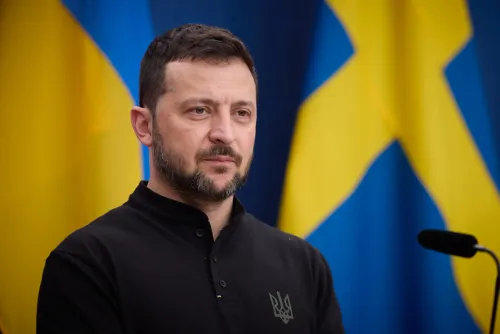
In his open letter, Zelensky called for a direct meeting with Putin, framing it as a path to ending the conflict through face-to-face engagement. 'Ukraine proposes ending this war through direct engagement between us — and you. I am proposing a meeting,' Zelensky wrote.
He suggested Switzerland, Turkey, and countries of the Arab world as potential host venues, and called for a fixed date to be set. Zelensky also offered a full ceasefire for the duration of any negotiations, describing it as standard diplomatic practice. 'An attempt to establish real silence is the best way to begin talking to one another,' he noted, adding that he believed a genuine ceasefire — not merely a symbolic one — was achievable if both sides willed it.
Kremlin's Response and Russia's Position
Peskov confirmed that Putin was also briefed on the varied reactions of world leaders to Zelensky's letter. He indicated that Russia remains interested in resuming negotiations, even as talks have stalled. 'We still hope that the current pause will eventually be broken. And some contacts will be initiated,' Peskov said, noting that Moscow continues to maintain communication with Washington through existing channels.
On Europe's reluctance to engage, Peskov was pointed: 'We are not the initiators of this silence. Putin is open to dialogue. Therefore, if Europeans abandon their paradigm of non-communication with Russia, they just need to pick up the phone and dial the number.' He cautioned, however, that the Ukraine conflict is deeply complex and would not be resolved quickly or easily.
Why This Moment Matters
The exchange comes amid a broader diplomatic churn. Zelensky's letter references 'current developments around Iran' as a parallel example of how ceasefire-first diplomacy can create space for negotiation — a framing that signals Kyiv is watching other global flashpoints for tactical lessons.
Notably, this is one of the first times since the breakdown of earlier Istanbul-format talks that the Kremlin has publicly acknowledged receiving a direct communication from Zelensky and has responded with language suggesting openness rather than rejection. Past Russian statements have largely dismissed Ukrainian peace proposals as preconditioned or insincere.
What Comes Next
No meeting date has been confirmed, and the Kremlin has not formally accepted Zelensky's proposal. Western governments, several of which have maintained a policy of limiting direct diplomatic contact with Moscow, will face renewed pressure to clarify their positions. Analysts note that the path from an open letter to a negotiating table remains long, and any ceasefire arrangement would require verification mechanisms that neither side has yet outlined.
Point of View
Not a commitment. Moscow has used similar language before without follow-through, and the absence of a formal acceptance keeps Russia's options open while projecting reasonableness to a global audience. The real test is whether Europe's 'paradigm of non-communication,' as Peskov calls it, shifts — because without European buy-in, any bilateral Russia-Ukraine channel risks becoming a sideshow. Zelensky's ceasefire-first offer is tactically shrewd, but Russia's track record on ceasefire compliance in this conflict gives little ground for optimism without credible third-party verification.
NationPress
21 Oct 2026
Frequently Asked Questions
Did Putin agree to meet Zelensky after receiving the open letter?
No formal agreement has been announced. The Kremlin confirmed Putin read the letter and that Russia is 'open to dialogue,' but no meeting date or venue has been confirmed as of 5 June.
What did Zelensky propose in his open letter to Putin?
Zelensky proposed a direct face-to-face meeting to negotiate an end to the war, suggesting Switzerland, Turkey, and Arab world countries as potential host venues. He also offered a full ceasefire for the duration of any negotiations.
Who is Dmitry Peskov and why does his statement matter?
Dmitry Peskov is the Kremlin's Press Secretary and the official spokesperson for President Putin. His confirmation that Putin read the letter and is 'open to dialogue' carries significant weight as an authoritative signal of Moscow's current diplomatic posture.
Why did Zelensky reference Iran in his letter?
Zelensky cited 'current developments around Iran' as an example of how a ceasefire-first approach can create conditions for meaningful negotiations, using it to argue that a real silence between Russia and Ukraine is achievable if both sides commit to it.
What is Russia's current position on talks with Europe and the US?
According to Peskov, Russia continues to communicate with the United States through existing channels and says it is not responsible for the diplomatic pause. He urged European governments to abandon their policy of non-engagement with Moscow, saying they simply need to 'pick up the phone.'