Putin-Trump phone call: Iran, Ukraine, and Victory Day truce on the table
Synopsis
Putin and Trump spoke for over 90 minutes — and the Kremlin's readout reveals more alignment than Washington typically acknowledges. From a proposed Victory Day truce to shared criticism of Zelensky's conduct, the call suggests a back-channel dynamic that could reshape both the Ukraine and Iran diplomatic tracks.
Key Takeaways
Putin and Trump held a phone call on 30 April lasting over one and a half hours , confirmed by the Kremlin .
Putin condemned the assassination attempt at the White House Correspondents' Association Dinner and called politically motivated violence unacceptable.
Russia proposed a Victory Day truce in Ukraine; Trump reportedly expressed strong support.
Putin warned of "extremely dire consequences" if the US and Israel use military force against Iran .
Russia has handed over more than 20,000 bodies to Ukraine; Ukraine has returned just over 500 to Russia since early 2025 .
Both leaders agreed to continue contact personally and through aides, with US representatives to engage both Moscow and Kyiv .
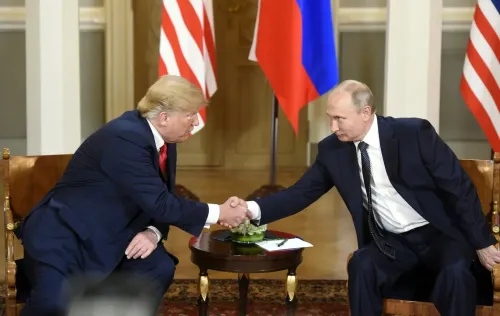
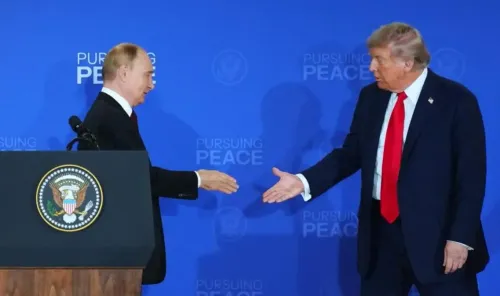
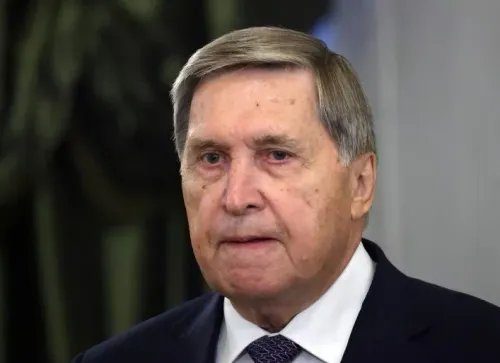
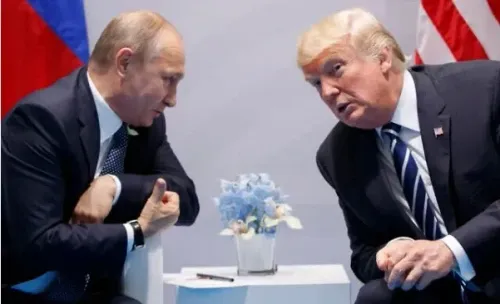
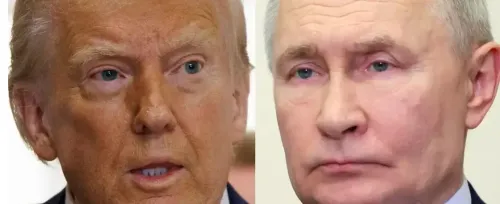
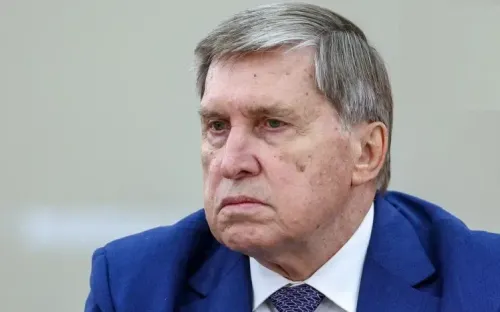
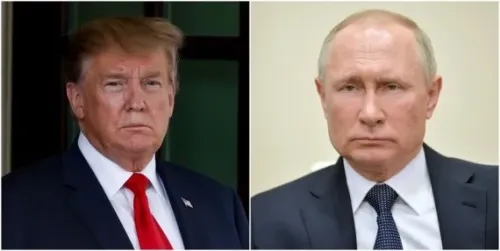
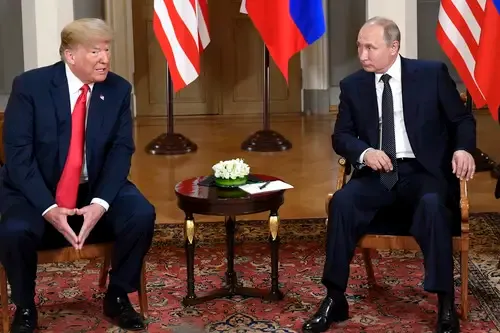
Russian President Vladimir Putin and US President Donald Trump held a phone call lasting over one and a half hours on 30 April, covering the assassination attempt at the White House Correspondents' Association Dinner, the crisis in Iran, and the ongoing war in Ukraine, the Kremlin said. The conversation, confirmed by Russian presidential aide Yuri Ushakov, marks one of the most substantive exchanges between the two leaders in recent months.
Putin Condemns Assassination Attempt on Trump
Putin strongly condemned the shooting at the White House Correspondents' Dinner, stressing what Ushakov described as "the unacceptability of any form of politically motivated violence." The gesture was notable given the historically fraught relationship between Washington and Moscow, and signals a deliberate effort by the Kremlin to maintain personal rapport with the Trump administration.
Iran and the Persian Gulf: Moscow's Red Lines
Among the international issues discussed, the situation in Iran and the Persian Gulf took centre stage, according to the Kremlin. Putin reportedly endorsed Trump's decision to extend a ceasefire, calling it "the right move" that would help stabilise the region. However, the Russian president also warned of what he called "inevitable, extremely dire consequences" — not just for Iran and its neighbours, but for the entire international community — should the United States and Israel resort to military force again. Russia, Ushakov said, remains committed to diplomatic efforts toward a peaceful resolution of the Iranian nuclear programme dispute, and has put forward a series of proposals to bridge differences. Moscow intends to maintain active contacts with Iranian representatives, leaders of Persian Gulf states, as well as with Israel and the US negotiating team.
Ukraine: Shared Criticism of Kyiv, Victory Day Truce Proposed
On Ukraine, the Kremlin said both leaders voiced "largely similar assessments" of the conduct of the Kyiv authorities under President Volodymyr Zelensky, characterising them as pursuing a course aimed at prolonging the conflict — "provoked and backed by European powers," according to the Kremlin's account. Putin directly told Trump that Kyiv is "openly resorting to terrorist methods, carrying out strikes on purely civilian facilities on Russian territory," Ushakov said. Russia has reportedly handed over more than 20,000 bodies of deceased soldiers to Ukraine, while Ukraine has returned just over 500 bodies to Russia since the beginning of 2025, Putin told Trump. At Trump's request, Putin described the current situation along the contact line, with Ushakov stating that Russian troops "maintain the strategic initiative." Putin also informed Trump of Russia's readiness to declare a truce during Victory Day commemorations. Trump expressed strong support for the initiative, reportedly noting that "the holiday marks our common victory over Nazism in World War II." Putin, however, reaffirmed that the goals of Russia's "special military operation" would be achieved regardless, preferring a negotiated path only if Zelensky responds positively to existing proposals — including those put forward by the US side.
US-Russia Relations and What Comes Next
Beyond the two active conflicts, the leaders discussed what Ushakov described as "broad prospects for mutually beneficial projects" in the economic and energy spheres — a signal that bilateral trade and energy cooperation remain on the agenda despite sweeping Western sanctions. Both presidents agreed to maintain personal contact as well as communication at the level of their aides and representatives. Trump's authorised representatives, Ushakov said, will maintain contacts with both Moscow and Kyiv. With a Victory Day truce now floated and the Iran situation in flux, the next several days could prove critical for both diplomatic tracks.
Point of View
By design, a political document — and it is unusually detailed. Moscow's framing of Trump as broadly agreeing with Russia's assessment of Zelensky is either a significant diplomatic signal or a deliberate information operation, and the distinction matters enormously. The Victory Day truce proposal is tactically shrewd: it costs Russia little militarily while placing the onus on Kyiv to either accept and appear accommodating, or reject and appear obstructionist. The Iran thread is equally revealing — Russia is positioning itself as the indispensable back-channel between Tehran and Washington, a role that gives Moscow strategic leverage regardless of how the nuclear talks conclude. What mainstream coverage underplays is that these calls are increasingly shaping the narrative architecture of both conflicts, not just their diplomacy.
NationPress
24 Sept 2026
Frequently Asked Questions
What did Putin and Trump discuss in their phone call on 30 April?
The two leaders discussed the assassination attempt at the White House Correspondents' Association Dinner, the Iran crisis and Persian Gulf situation, and the ongoing war in Ukraine. The call lasted over one and a half hours, according to the Kremlin.
What is the Victory Day truce proposed by Putin?
Putin informed Trump of Russia's readiness to declare a ceasefire during Victory Day commemorations, which mark the Soviet Union's victory over Nazi Germany in World War II. Trump reportedly expressed strong support for the initiative.
What did Putin say about Iran during the call?
Putin endorsed Trump's decision to extend a ceasefire with Iran and warned of 'extremely dire consequences' for the entire international community if the US and Israel resort to military force again. Russia has put forward proposals to resolve differences over Iran's nuclear programme.
What did Putin tell Trump about the Ukraine conflict?
Putin told Trump that Kyiv is resorting to 'terrorist methods' by striking civilian facilities on Russian territory. He also said Russia has handed over more than 20,000 bodies of deceased soldiers to Ukraine, while Ukraine has returned just over 500 to Russia since early 2025.
What was agreed between Putin and Trump at the end of the call?
Both presidents agreed to maintain personal contact and communication through their aides and representatives. Trump's authorised representatives will continue engaging both Moscow and Kyiv, and both sides discussed prospects for economic and energy cooperation.