Ramaswamy Backs Drilling, Nuclear for Ohio Energy
Synopsis
Entrepreneur Vivek Ramaswamy on 2 July 2026 labelled energy restrictions 'socialism' and called for drilling, fracking, coal, and nuclear power in Ohio, comparing an unnamed official's stance to pandemic-era public-health mandates under former Ohio health director Amy Acton.
Key Takeaways
Ramaswamy posted on 2 July 2026 denouncing energy restrictions as 'socialism' and endorsing drilling, fracking, coal, and nuclear for Ohio .
He compared an unnamed official's energy stance to Amy Acton 's COVID-era public-health mandate approach in Ohio .
Ohio hosts major Utica Shale gas production, coal plants, and growing nuclear interest, making it a key battleground in US energy politics.
The post aligns with a broader Republican pattern of framing fossil-fuel restrictions as government overreach akin to pandemic mandates.
The Ohio General Assembly is expected to consider new energy siting and emissions rules in its 2026–2027 sessions.
As founder of Strive Asset Management and former DOGE co-lead, Ramaswamy holds significant influence in Republican energy-policy debates.
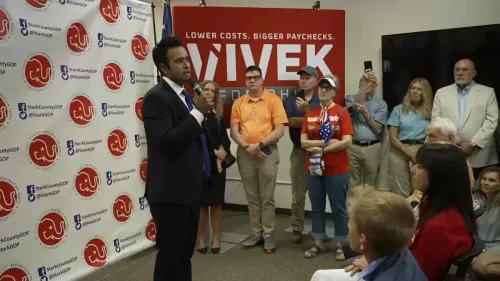
Entrepreneur Vivek Ramaswamy on Thursday, 2 July 2026, took to X to denounce what he called socialist energy policy, calling instead for expanded drilling, fracking, coal, and nuclear power as the right path forward for Ohio. The post also drew a sharp comparison between an unnamed official's energy stance and the pandemic-era public-health approach of former Ohio health director Amy Acton.
Context
Ramaswamy's post reads: 'This is what socialism looks like, folks. The right answer isn't restrictions or mandates. It's drilling, fracking, coal, and nuclear. That's how we'll roll in Ohio.' He added that the unnamed individual 'sounds eerily just like Amy Acton during Covid,' invoking one of the most contested figures in Ohio's recent political memory.
Acton served as Ohio Director of Health during the early phase of the COVID-19 pandemic and became a flashpoint for conservative criticism over her role in implementing strict public-health restrictions and mandates. By invoking her name in an energy debate, Ramaswamy draws a direct line between pandemic-era government overreach and what he characterises as overreach in energy regulation.
Policy Backdrop
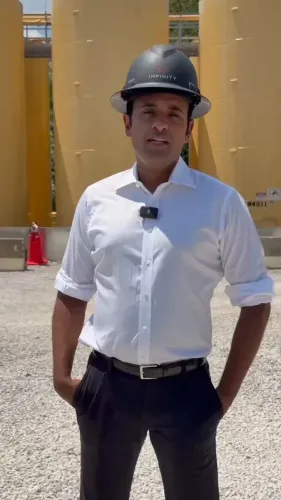
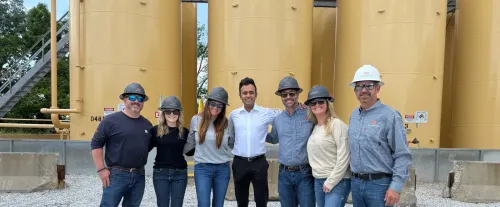
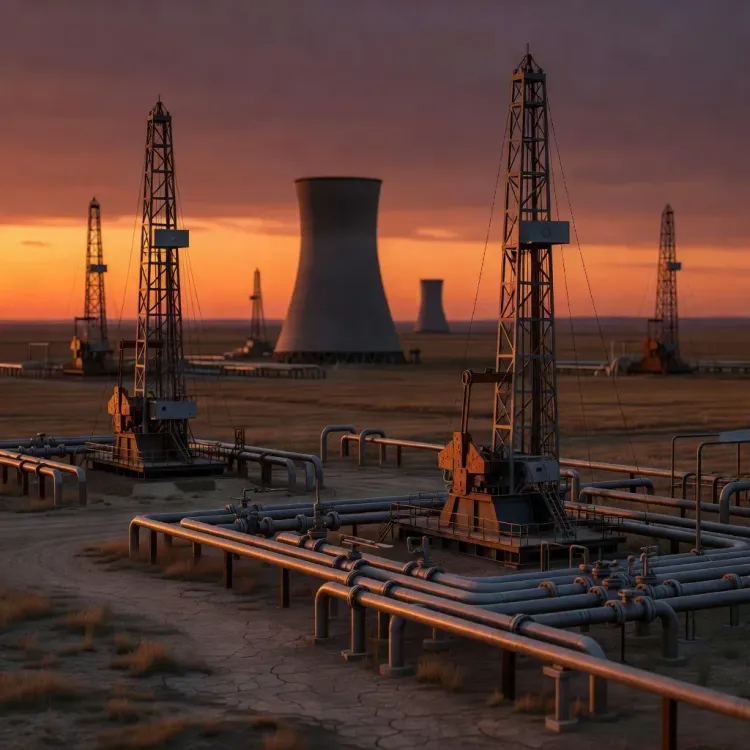
Ohio sits at the heart of American energy debates. The state hosts significant Utica Shale natural gas production, legacy coal-fired power plants, and a growing interest in nuclear generation — making it a microcosm of the national tension between fossil-fuel expansion and emissions-reduction goals. Ramaswamy's advocacy for 'drilling, fracking, coal, and nuclear' aligns closely with the deregulatory posture of the Trump administration's 2017–2021 tenure, which expanded federal leasing for oil and gas and rolled back restrictions on coal and gas plants.
Republican officials and candidates have long characterised proposed limits on fossil fuels — or policy preferences for renewables — as socialist central planning. This framing, which Ramaswamy deploys explicitly here, has become a recurring rhetorical pattern in Midwest energy politics, where manufacturing competitiveness and electricity reliability are primary voter concerns.
Stakeholders and Impact
Ohio energy producers, natural gas drillers, and legacy coal operators stand to benefit from the regulatory posture Ramaswamy endorses. Midwest manufacturers, who are highly sensitive to electricity prices, are another key constituency — energy costs directly affect their global competitiveness.
On the other side, clean-energy advocates and public-health groups argue that expanding fossil-fuel production deepens long-term climate risk and air-quality burdens, particularly in industrial communities. The unnamed official referenced in the post — whose identity could not be independently verified — appears to represent the opposing regulatory viewpoint that Ramaswamy is pushing back against.
What's Next
The Ohio General Assembly is expected to take up new energy siting and emissions rules during its 2026–2027 legislative sessions, making the political framing of these debates consequential in the near term. At the federal level, potential permitting reforms under the current administration could further shape how quickly new drilling, fracking, and nuclear projects can advance in the state.
As a former DOGE co-lead and the founder of Strive Asset Management — a firm built around the idea of pushing back on ESG-driven investing — Ramaswamy's voice carries institutional weight in Republican energy-policy circles. His continued focus on Ohio signals that the state will remain a proving ground for the broader national argument over fossil fuels versus mandated energy transition.
Point of View
Deliberately linking fossil-fuel regulation to pandemic-era government overreach — two issues that animate the same conservative voter base. By invoking Amy Acton, he signals to Ohio audiences that the stakes are not merely economic but about personal freedom versus state control. This rhetoric has real legislative consequence: it pressures Ohio Republicans to resist any emissions or siting rules that could be painted as mandates. For India-watchers, the post is a reminder that US domestic energy politics — particularly around drilling and nuclear — directly shapes the global energy investment climate and the pace of any clean-energy transition.
NationPress
2 Jul 2026
Frequently Asked Questions
What did Vivek Ramaswamy say about Ohio energy policy?
Ramaswamy posted on 2 July 2026 that energy restrictions amount to 'socialism' and argued that drilling, fracking, coal, and nuclear power are the correct path for Ohio.
Who is Amy Acton and why did Ramaswamy mention her?
Amy Acton was Ohio's Director of Health during the COVID-19 pandemic and became a conservative symbol of government overreach due to her role in imposing public-health mandates. Ramaswamy invoked her name to compare energy restrictions to pandemic-era government control.
What is Vivek Ramaswamy's role in US politics and business?
Ramaswamy is the founder and executive chairman of Strive Asset Management, a former co-lead of the DOGE advisory effort under the Trump administration, and a 2024 Republican presidential candidate.
Why is Ohio important for US energy debates?
Ohio has significant Utica Shale natural gas production, legacy coal-fired power plants, and growing nuclear capacity, making it a microcosm of the national debate between fossil-fuel expansion and clean-energy mandates.
What energy legislation is coming up in Ohio?
The Ohio General Assembly is expected to consider new energy siting and emissions rules during its 2026–2027 legislative sessions, which will be shaped by the political framing Ramaswamy and others are establishing now.