Ramaswamy Backs Drilling, Fracking, Nuclear for Ohio Growth
Synopsis
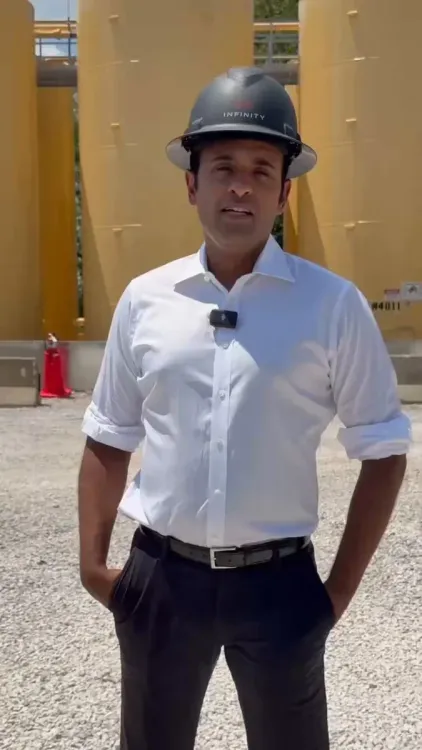
Vivek Ramaswamy, Strive Asset Management founder and former DOGE co-lead, on June 8 publicly championed expanded US oil drilling, fracking, and nuclear energy, calling energy production the bedrock of economic growth and affordability for Ohio and the nation.
Key Takeaways
Ramaswamy posted on June 8, 2026 calling for expanded drilling, fracking, and nuclear energy in the United States.
He invoked the 'Drill Baby Drill' slogan popularised by Donald Trump in 2016 and extended it to fracking and nuclear power.
Ohio , his home state, has significant natural gas reserves in the Utica and Marcellus shale formations.
His firm, Strive Asset Management , institutionally opposes ESG investing and supports traditional energy sector capital allocation.
Republican energy policy since the 2022 global price spike has emphasised domestic production expansion over renewable mandates.
Key federal watchpoints include LNG export permits , nuclear licensing reform, and Ohio and Pennsylvania leasing decisions.
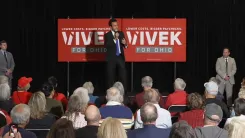
Entrepreneur Vivek Ramaswamy, founder and executive chairman of Strive Asset Management and former co-lead of the US Department of Government Efficiency (DOGE) advisory effort, on Monday, June 8, 2026, called for aggressive expansion of domestic fossil fuel production and nuclear energy, framing the push as essential to American and Ohioan economic prosperity.
Context
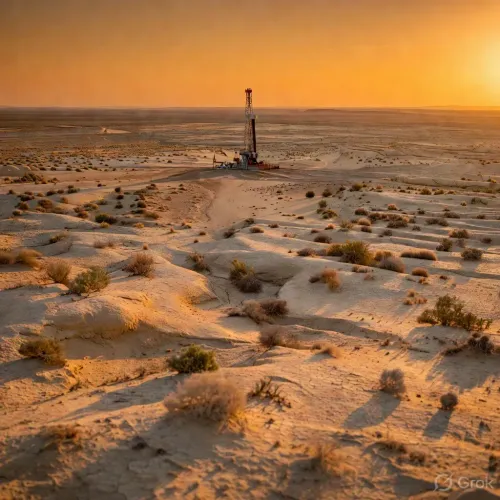
Ramaswamy's post invoked the phrase 'Drill Baby Drill' — a slogan popularised by Donald Trump during his 2016 presidential campaign to advocate expanded domestic fossil fuel output — alongside 'Frack Baby Frack', a direct nod to Ohio's substantial natural gas reserves in the Utica and Marcellus shale formations. He added nuclear energy to the triad, stating the embrace should be 'without apology.' The post concluded that energy production is 'the foundation of economic growth and making life more affordable.'
Ohio, Ramaswamy's home state, is a significant natural gas producer and hosts a workforce directly tied to the energy sector. His framing as 'pro-human, pro-American, and pro-Ohioan' signals both a national policy argument and a local political constituency.
Policy Backdrop
Ramaswamy's position sits squarely within a broader Republican policy tradition that frames expanded oil, gas, and nuclear output as indispensable to manufacturing competitiveness and lower consumer costs. This approach gained renewed urgency after the 2022 global energy price spike, which drove household energy bills sharply higher across the United States.
Through Strive Asset Management, Ramaswamy has institutionally opposed ESG-focused investment strategies, instead advocating capital allocation toward traditional energy sectors. His public commentary on energy consistently reinforces that investment thesis, blurring the line between policy advocacy and corporate positioning.
Republican energy policy has broadly prioritised regulatory rollbacks on drilling permits and nuclear licensing over accelerated renewable mandates, a stance Ramaswamy's post echoes without qualification.
Stakeholders and Impact
Ohio energy workers in the shale sector stand as the most immediate constituency addressed by the post. Expanded fracking activity in the Utica Shale basin would directly affect employment and royalty income for landowners across eastern and southeastern Ohio.
For US households broadly, proponents of expanded domestic production argue that increased supply suppresses retail energy prices, reducing costs for heating, transportation, and manufactured goods. Critics of this approach, however, contend that market pricing and global commodity dynamics limit the direct pass-through benefit to consumers — though Ramaswamy's post does not engage with counterarguments.
Nuclear energy advocates have separately pushed for streamlined federal licensing to bring new reactor capacity online faster, a reform effort that has drawn bipartisan interest in Washington DC.
What's Next
Federal actions to watch include decisions on LNG export permits, nuclear regulatory reform at the Nuclear Regulatory Commission, and state-level leasing decisions in Ohio and neighbouring Pennsylvania. Any movement on these fronts would test whether Ramaswamy's public advocacy translates into concrete policy outcomes.
With Ramaswamy maintaining a high public profile following his DOGE tenure, his continued emphasis on energy abundance positions him as a consistent voice in Republican economic debates heading into the next legislative cycle — and potentially beyond.
Point of View
He signals a continued political investment in his home state, whether for legislative influence or future electoral purposes. His dual role as a corporate executive at Strive and a public policy voice creates a reinforcing loop: advocacy that serves both his investment thesis and his political brand. The post's blunt, slogan-driven language suggests he is speaking to a base audience rather than attempting to persuade skeptics, which is consistent with his communication style since the 2024 primary cycle.
NationPress
22 Oct 2026
Frequently Asked Questions
What did Vivek Ramaswamy say about energy policy in June 2026?
On June 8, 2026, Ramaswamy posted calling for expanded US oil drilling, fracking, and nuclear energy, describing energy production as the foundation of economic growth and affordability.
What does 'Drill Baby Drill' mean and who uses it?
'Drill Baby Drill' is a slogan advocating expanded domestic fossil fuel extraction. Donald Trump popularised it during his 2016 presidential campaign, and Republican figures including Ramaswamy have since adopted it.
Why does Ramaswamy mention Ohio in his energy posts?
Ohio is Ramaswamy's home state and a significant natural gas producer, with major reserves in the Utica and Marcellus shale formations, making it directly relevant to fracking and energy production debates.
What is Strive Asset Management's position on energy?
Strive Asset Management, founded by Ramaswamy, opposes ESG-focused investment strategies and advocates capital allocation toward traditional energy sectors including oil, gas, and nuclear power.
What is the Republican stance on nuclear energy?
Republican policy has increasingly embraced nuclear energy as a clean, reliable baseload power source, with calls for streamlined federal licensing to accelerate new reactor construction alongside expanded fossil fuel output.