Marco Rubio backs India's energy diversification in diplomatic win
Synopsis
Washington has effectively stopped treating India's energy hedging as a diplomatic problem — and started calling it smart strategy. Marco Rubio's public endorsement of India's energy diversification, at a moment when global fuel prices are up 50 per cent and India's are barely up 10 per cent, marks a quiet but significant shift in how the US frames the bilateral relationship.
Key Takeaways
US Secretary of State Marco Rubio publicly endorsed India's energy diversification strategy on 27 June .
Officials described the move as a 'big diplomatic victory' for New Delhi .
Global petrol and diesel prices have risen by around 50 per cent amid the West Asia conflict; India kept increases to under 10 per cent .
Jagvinder Singh Virk of the Australia India Strategic Alliance credited India's energy policy management for shielding consumers.
Former Ambassador Anil Trigunayat cited India's diversified energy procurement as a direct response to the Iran conflict and regional tensions.
Vaid said India may be the only Asian country where consumers were largely insulated from the global energy price shock.
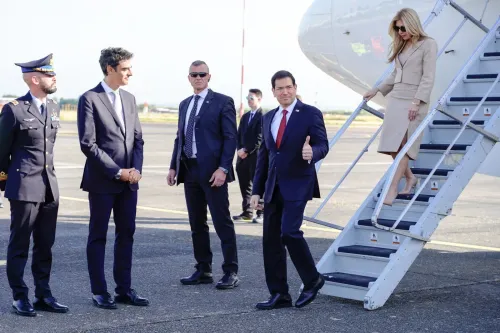
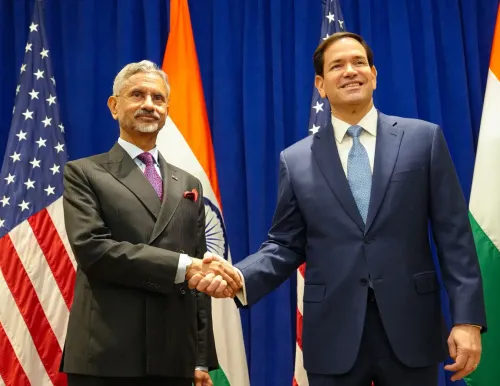
US Secretary of State Marco Rubio has publicly endorsed India's strategy of diversifying its energy sources, drawing an enthusiastic response from senior Indian officials and strategic analysts who described the acknowledgement as a 'big diplomatic victory' for New Delhi. The remarks, made on 27 June, come amid heightened global energy volatility linked to the West Asia conflict and its ripple effects on oil prices worldwide.
Rubio's Statement and What It Signals
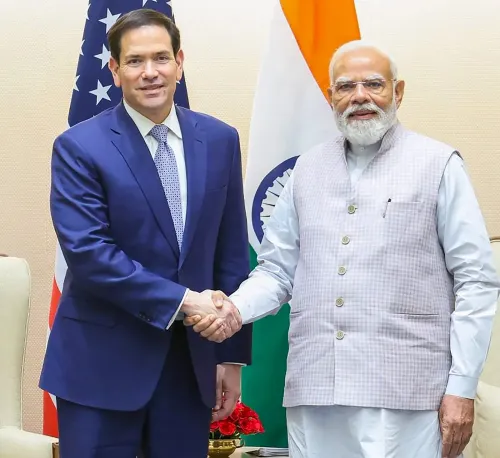
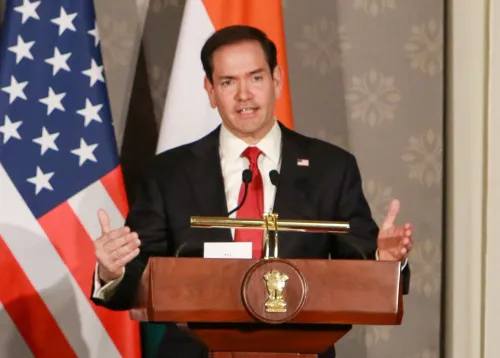
In an exclusive interview, Rubio said that India, under the leadership of Prime Minister Narendra Modi, is on its way to becoming a global power and is increasingly participating in decisions being made on the international stage. The endorsement from Washington is notable given the geopolitical sensitivities around India's energy procurement choices in recent years.
Reactions from Officials and Analysts
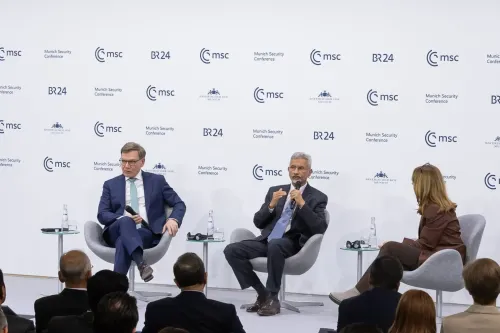
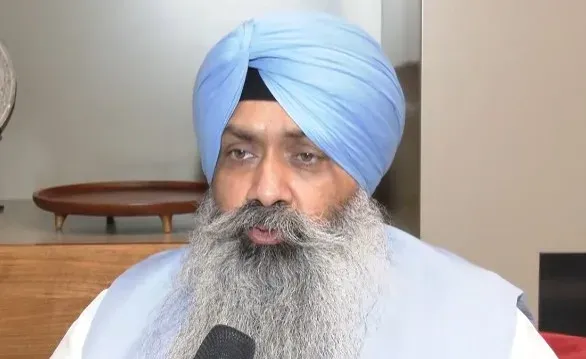
Jagvinder Singh Virk, Chairman of the Australia India Strategic Alliance, called it a watershed moment. 'This is a big diplomatic victory. It shows what India is capable of. Petrol and diesel prices across the world have increased by around 50 per cent. In India, despite everything, diesel prices have not increased much and petrol has only risen by Rs 5, Rs 7 or Rs 10, which is less than 10 per cent,' he said.
Virk added: 'This was a major achievement of the Indian government in handling war-related issues. And this diplomatic victory shows the kind of relations India has built. Now even America and others are acknowledging it.'
Minister of State for External Affairs Kirti Vardhan Singh asserted that ever since PM Modi took charge, 'his only objective has been to strengthen this country — at the social level, in terms of internal security, and also against external threats.' He drew a parallel with US President Donald Trump, noting that Trump also came to power with the slogan 'Make America Great Again'.
Strategic and Energy Security Perspective
Former Indian Ambassador to Jordan, Libya and Malta Anil Trigunayat described India as the world's 'largest and strongest democracy and the fastest-growing major economy.' He pointed to India's technological advances in defence and security, and noted that energy security has become a priority. 'Because of the Iran conflict and the resulting tensions, India has diversified its energy policies,' he said, adding that 'our foreign policy is robust and resilient.'
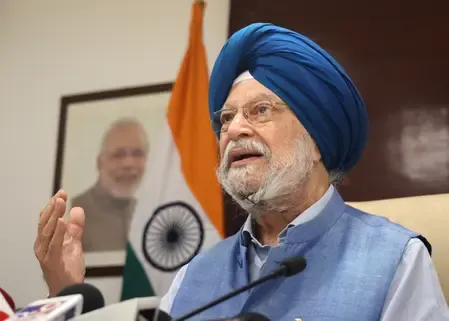
Former Jammu and Kashmir Director General of Police S.P. Vaid offered a citizen-centric view: 'India is perhaps the only country in Asia where, despite the West Asia crisis, there has not been such a sharp escalation in prices. Whatever inflation did occur, the Indian government absorbed it. The common people did not have to bear the burden of the crisis, thanks to the Indian government.'
Why This Matters
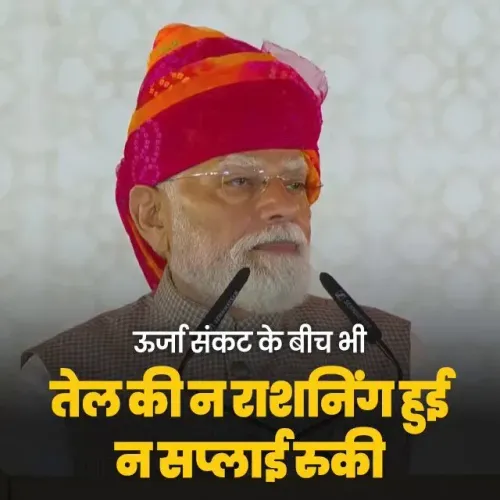
Global crude prices have surged sharply since the West Asia conflict intensified, with several nations passing on the burden directly to consumers. India's ability to keep retail fuel price increases to under 10 per cent — against a global average rise of around 50 per cent — reflects a combination of strategic procurement diversification, subsidy absorption, and diplomatic agility. Rubio's endorsement effectively signals that Washington no longer views India's energy hedging as a liability in the bilateral relationship.
As India's global standing continues to rise, the coming months will test whether this diplomatic goodwill translates into deeper energy and strategic cooperation between New Delhi and Washington.
Point of View
And the real test is whether this American acknowledgement comes with tangible cooperation on energy security, or remains rhetorical goodwill. The fuel price comparison — India under 10 per cent versus the global 50 per cent — is a genuine policy achievement, but it also rests on fiscal absorption that has its own long-term cost to public finances.
NationPress
26 Sept 2026
Frequently Asked Questions
What did Marco Rubio say about India's energy policy?
US Secretary of State Marco Rubio endorsed India's strategy of diversifying its energy sources and said India, under Prime Minister Narendra Modi, is on its way to becoming a global power increasingly involved in international decision-making. His remarks were made in an exclusive interview on 27 June.
Why is Rubio's statement considered a diplomatic victory for India?
Officials and analysts say it marks a public acknowledgement by Washington that India's energy hedging — which kept domestic fuel price increases under 10 per cent while global prices rose around 50 per cent — was sound policy rather than a geopolitical liability. It signals a shift in how the US frames India's independent energy choices.
How has India managed to keep fuel prices low during the West Asia crisis?
According to officials, India diversified its energy procurement sources in response to the Iran conflict and regional tensions, allowing it to avoid sharp retail price hikes. The government also absorbed a portion of the cost increase rather than passing it fully to consumers.
Who welcomed Rubio's remarks and what did they say?
Jagvinder Singh Virk of the Australia India Strategic Alliance, Minister of State for External Affairs Kirti Vardhan Singh, former Ambassador Anil Trigunayat, and former J&K DGP S.P. Vaid all welcomed the statement. They credited India's foreign policy and energy strategy for shielding citizens from the worst of the global energy price shock.
What is India's broader energy security strategy?
According to former Ambassador Anil Trigunayat, India has diversified its energy policies in direct response to the Iran conflict and West Asia tensions. This diversification, combined with government subsidy absorption, has kept domestic fuel prices relatively stable compared to global benchmarks.