Is India Committed to Strategic Autonomy amid US Claims on Russian Oil Purchases?
Synopsis
As the U.S. raises concerns over India's Russian oil purchases, EAM S. Jaishankar reaffirms India's commitment to strategic autonomy. Discover how India navigates its energy decisions amidst global scrutiny and U.S. sanctions.
Key Takeaways
India prioritizes strategic autonomy in its foreign policy.
Energy decisions are influenced by availability , cost , and risk .
The U.S. has imposed sanctions on Russia's oil sector.
India's commitment to independent decision-making remains firm.
Global oil market dynamics are increasingly complex.
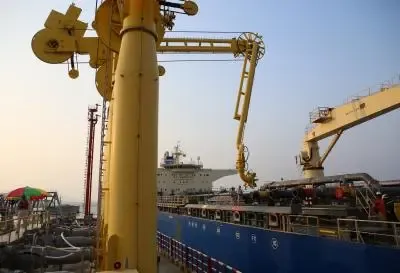
Munich, Feb 15 (NationPress) In response to ongoing claims from the United States regarding India's acquisition of Russian oil, India has reiterated its commitment to strategic autonomy. This stance sends a definitive message to the global community that India’s energy choices will be guided by factors such as availability, cost, and risk.
These comments come in light of new US sanctions aimed at Russia’s oil sector, along with statements from President Donald Trump and Secretary of State Marco Rubio asserting that India has consented to cease additional purchases of Russian crude.
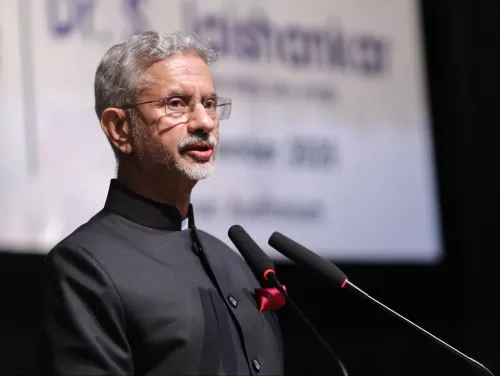
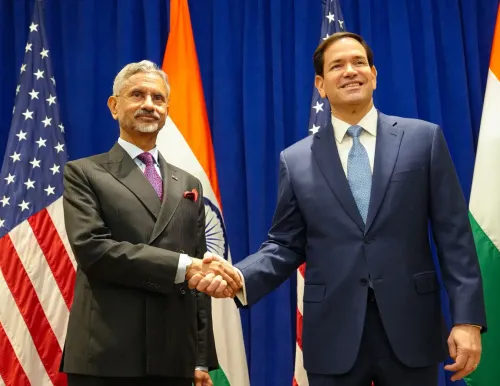
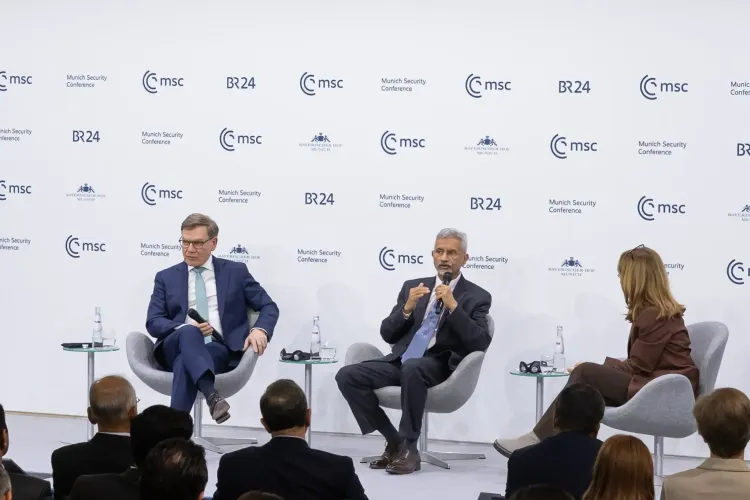
While addressing the Munich Security Conference on Saturday (local time), External Affairs Minister (EAM) S. Jaishankar dismissed the notion that a recent trade understanding with the US would compromise India's enduring commitment to its strategic autonomy.
Jaishankar's remarks were made following Rubio's assertion that Washington had secured assurances from New Delhi to halt further oil imports from Russia after the latest US sanctions on Moscow's energy sector.
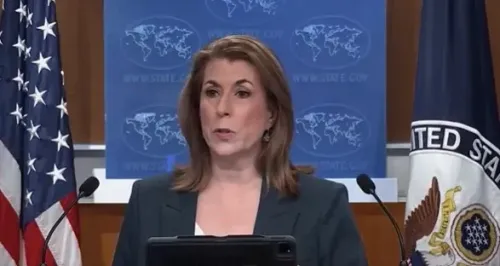
“The United States has implemented further sanctions on Russia's oil. In our discussions with India, we've acquired their pledge to cease additional purchases of Russian oil. Europe has also taken its own measures,” Rubio was quoted by Russian news agency TASS.
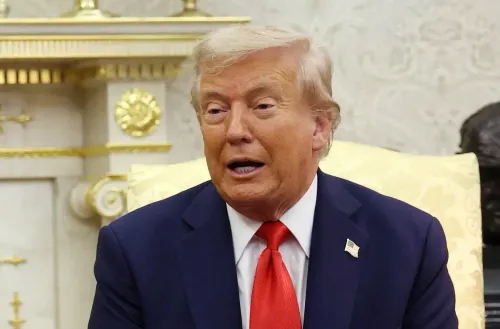
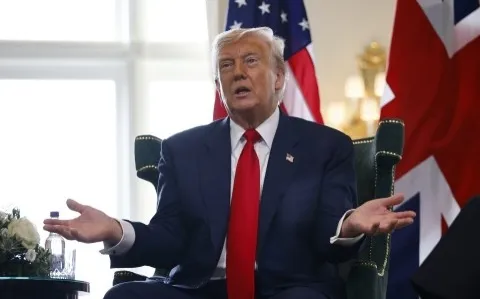
Earlier this month, President Trump had made a more emphatic claim, declaring a breakthrough following months of trade disputes.
“India has agreed to stop purchasing Russian oil and to increase imports from the US,” he stated.
Nonetheless, EAM Jaishankar made it clear that India's foreign policy will continue to be rooted in its independent decision-making framework.
“We are firmly committed to strategic autonomy because it is integral to our history and evolution. It is deeply ingrained and spans across the political spectrum,” he remarked.
Addressing energy procurement specifically, the External Affairs Minister characterized the global oil market as “complex.”
“When it comes to energy matters, this market is intricate today. I believe that oil companies in India, similar to those in Europe and potentially elsewhere, consider availability, cost, risks, and make decisions that align with their best interests,” he explained.
When directly asked if India would stop purchasing Russian oil under the trade agreement's terms, EAM Jaishankar candidly replied: “If your baseline question is whether I would maintain an independent stance and make decisions that might not align with your perspective; yes, that is possible.”
India has not yet formally acknowledged or denied Washington’s assertion that it has pledged to halt further imports of Russian crude.
Point of View
India's approach to energy procurement reflects its historical evolution and political consensus. The situation underscores the importance of balancing national interests with external expectations.
NationPress
23 Oct 2026
Frequently Asked Questions
What is India's position on Russian oil imports?
India maintains that its energy decisions are based on availability, cost, and risk, emphasizing its commitment to strategic autonomy.
How has the U.S. responded to India's oil purchases?
The U.S. has raised concerns and imposed sanctions on Russia, claiming that India has agreed to halt additional Russian oil imports.
What did EAM Jaishankar say at the Munich Security Conference?
EAM Jaishankar reaffirmed India's commitment to strategic autonomy and clarified that decisions regarding oil purchases will be independent.
Will India stop purchasing Russian oil?
Jaishankar indicated that India would make independent decisions regarding oil purchases, which may not align with U.S. expectations.
What factors influence India's energy decisions?
India's energy choices are influenced by availability, costs, and risks in the global oil market.