Rubio backs bigger US role in India energy security, flags Venezuela crude
Synopsis
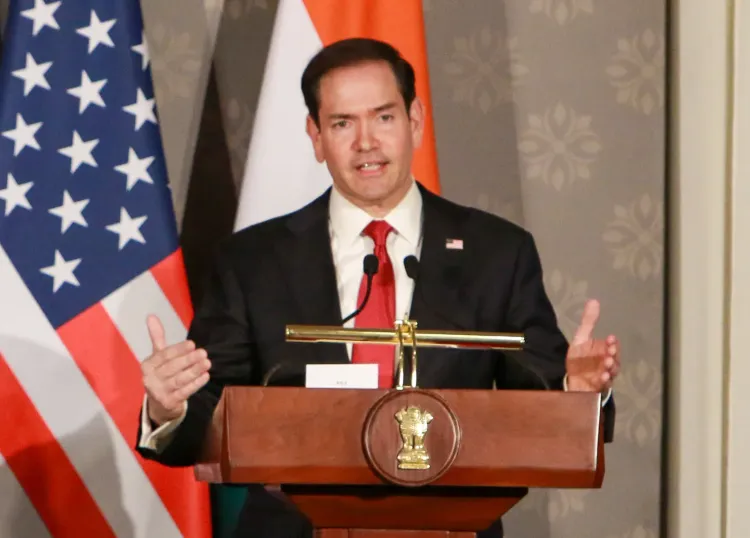
US Secretary of State Marco Rubio, speaking at the White House, has flagged Venezuela as a potential new crude source for India — a geopolitically charged detail buried in a broader pitch for deeper India-US energy cooperation. With Washington working to boost Venezuelan production capacity and India holding rare heavy-crude refining capability, a surprising new supply axis may be taking shape.
Key Takeaways
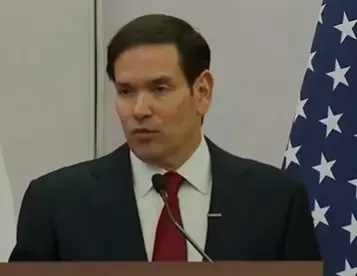
US Secretary of State Marco Rubio said the United States wants a bigger role in meeting India's growing energy needs, speaking at the White House on 27 June .
Rubio endorsed India's energy diversification strategy and said Washington has ‘solutions’ to offer.
He flagged Venezuela as a potential crude oil source for India, noting the US is working to increase Venezuelan production capacity.
Rubio highlighted India's rare ability to refine heavy crude produced by Venezuela as a strategic advantage.
He linked the energy push to President Trump's efforts to stabilise Middle East tensions and increase global fuel supply.
Cooperation areas cited include energy, critical minerals, supply chains, civil nuclear, and freedom of navigation.
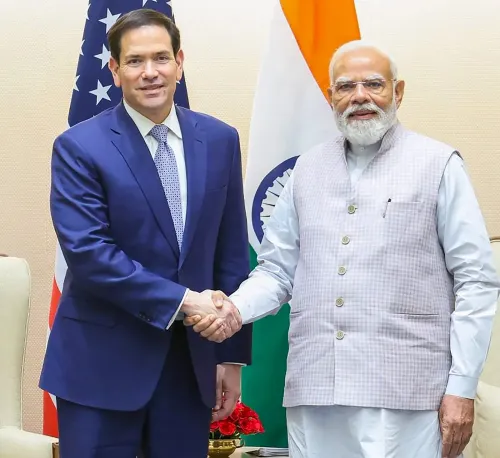
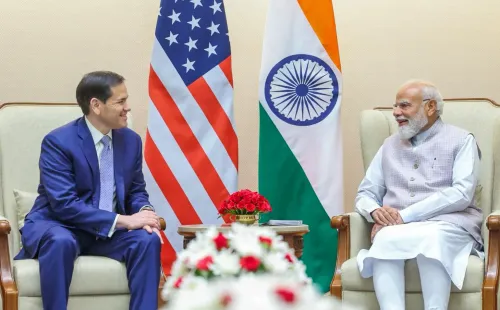
US Secretary of State Marco Rubio has said the United States wants to play a significantly larger role in meeting India's growing energy needs, endorsing New Delhi's strategy of diversifying its energy supply base while arguing that deeper India-US cooperation can reinforce long-term energy security. Rubio made the remarks in an interview at the White House on 27 June.
Rubio's Core Position on India Energy
The Secretary of State said Washington was well-placed to support India's expanding energy requirements as both nations deepen their strategic partnership. “I think obviously India's been focused for a very long time on diversifying its sources of energy, and so I think that trend will continue and we certainly would love to be a part of that,” Rubio said. “We think we have some solutions in that regard.”
Rubio linked Washington's energy ambitions to President Donald Trump's broader effort to ease tensions in the Middle East and stabilise global fuel markets. “One of the reasons why the President has given peace a chance in the Middle East is the desire to see more fuel enter the marketplace for our allies,” he said.
Venezuela Crude: A Potential New Supply Line
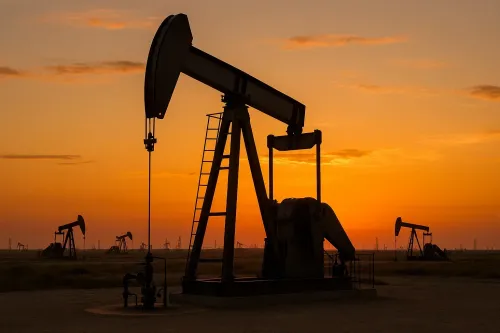
In a notable disclosure, Rubio pointed to Venezuela as a potential future crude source for India, saying the US was actively working to expand the country's production capacity. “I know India's been talking to not just the United States, but Venezuela. We're working very closely to increase their production capacity,” he said.
He highlighted India's refining infrastructure as a strategic asset in this context. “India's one of the few countries in the world with their ability to refine the heavy crude that Venezuela produces. So I think that's a thing we would look to facilitate as well,” Rubio added. This is a significant signal — Venezuelan heavy crude requires specialised refining capacity that few nations possess, and India's refineries are among the rare facilities globally equipped to handle it.
Shared Strategic Interests Beyond Energy
Rubio framed energy cooperation within a wider architecture of India-US strategic alignment, citing economics, supply chains, critical minerals, security, and freedom of navigation as shared priorities. “These are the largest democracies in the world and the oldest democracies in the world,” he said. “I think we have so much aligned and in common that we can build and work on together our interests on economics, on supply chains, on critical minerals, on energy, on security, on freedom of navigation. These are all issues that bind us together.”
India's Energy Context
India is among the world's fastest-growing energy consumers, steadily expanding its crude oil and liquefied natural gas (LNG) imports to meet rising domestic demand. Diversification has become a cornerstone of New Delhi's energy security doctrine, reducing dependence on any single supplier or region. Energy cooperation has grown into a key pillar of the India-US strategic partnership, alongside collaboration in civil nuclear energy, clean energy technologies, critical minerals, and resilient supply chains.
Rubio's remarks signal that Washington intends to deepen this engagement further — and that Venezuela, long a geopolitical outlier, could emerge as an unexpected node in India's energy supply network.
Point of View
And any easing of that posture to benefit a third-country partner carries significant geopolitical weight. For India, the calculus is straightforward: diversification reduces vulnerability, and Venezuelan crude suits its refinery mix. But the diplomatic complexity of a US-brokered India-Venezuela energy corridor should not be understated. Meanwhile, the broader India-US energy partnership — civil nuclear, LNG, critical minerals — is quietly becoming one of the most consequential bilateral frameworks in Asia, and Rubio's remarks suggest Washington views it as a long-term strategic lever, not just a trade line.
NationPress
25 Sept 2026
Frequently Asked Questions
What did Marco Rubio say about US-India energy cooperation?
Secretary of State Marco Rubio said the United States wants to play a bigger role in meeting India's growing energy needs, backing New Delhi's supply diversification strategy and arguing that closer India-US cooperation strengthens long-term energy security. He made the remarks in an interview at the White House on 27 June.
Why did Rubio mention Venezuela in the context of India's energy?
Rubio said the US is working to increase Venezuela's crude oil production capacity and noted that India is one of the few countries capable of refining Venezuelan heavy crude. He indicated Washington would look to facilitate India-Venezuela crude trade as part of broader energy diversification efforts.
How does this fit into the broader India-US strategic partnership?
Energy is one of several pillars Rubio cited in the India-US relationship, alongside supply chains, critical minerals, civil nuclear cooperation, security, and freedom of navigation. He described both nations as the world's largest and oldest democracies with deeply aligned interests.
What is India's current energy situation?
India is among the world's fastest-growing energy consumers and has steadily expanded crude oil and LNG imports to meet rising domestic demand. Diversifying energy sources has become a central element of New Delhi's strategy to reduce dependence on any single supplier or region.
How does President Trump's Middle East policy connect to India's energy supply?
Rubio said one of the reasons President Trump has pursued de-escalation in the Middle East is to increase global fuel supply for US allies. A more stable Middle East, in Washington's framing, means more crude entering global markets — benefiting energy-import-dependent nations like India.