Should a Republican Congressman Cap New US Citizens?
Click to start listening
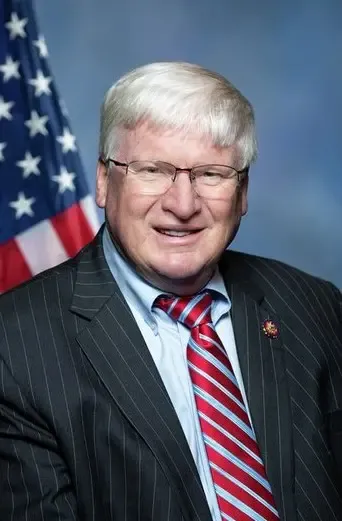
Synopsis
In a bold address, Congressman Glenn Grothman proposes limiting new US citizens to fewer than 800,000 each year, citing concerns about the economic and political impacts of unchecked immigration. His statements raise critical questions about the future character of America and the importance of immigration laws.
Key Takeaways
- Proposal to cap new citizens at 800,000 annually.
- Concerns over unchecked immigration affecting economy and freedoms.
- Current naturalization rates are significantly higher than in previous decades.
- Questions raised about birthright citizenship.
- Impact of immigration on civic values and national identity.
Washington, Jan 25 (NationPress) A prominent Republican official has raised concerns that uncontrolled immigration could undermine the nation's economic viability and political liberties. He proposed that the United States should limit the number of new citizens to 800,000 annually, or potentially even fewer.
Congressman Glenn Grothman expressed to his peers that permitting unrestricted immigration would not only impoverish the nation but could also lead to a significant reduction in American freedoms.
While addressing the US House of Representatives, the Wisconsin Republican emphasized that neglecting to enforce current immigration regulations could irrevocably change the nation’s identity and constitutional principles.
In a speech lasting 30 minutes, Grothman characterized immigration as “the most pressing issue” for the current and future Congresses and Presidents, asserting that the results of this debate would shape America's future.
Grothman highlighted the present rates of legal immigration, stating that approximately 800,000 individuals are naturalized each year, a detail that garners less public attention compared to illegal crossings.
Alongside these new citizens, Grothman noted that about 500,000 individuals enter the US on work visas, with another 500,000 arriving on student visas. He remarked that many visa holders often choose to remain in the US.
The Congressman also addressed birthright citizenship, pointing out that the United States is one of the few nations that grants citizenship based on birth within its borders. He criticized current interpretations of this law, observing that some foreign nationals travel to the US to give birth and then return home.
Grothman added that this situation contributes to the fact that more than 15 percent of the US population was born outside the country, which he termed an all-time high. He cautioned that if Congress takes no action, the proportion of foreign-born residents will continue to rise.
He compared current statistics to those from previous decades, noting that the number of naturalized individuals per year is now approximately four times greater than it was during his childhood in the 1960s. He firmly stated that the nation has no reason to apologize for enforcing immigration limits, as current admissions far exceed those of earlier generations.
Grothman attributed the influx of 8 to 10 million individuals to the administration of former President Joe Biden, claiming they entered the country illegally. He remarked that these figures add to the number of people coming in through legal avenues.
Worried about civic values, Grothman expressed skepticism about whether some immigrants uphold the moral and constitutional principles essential for preserving the American system. He raised questions about their respect for the Constitution and whether they would endorse the limited government envisioned by the nation’s founders.
Quoting John F. Kennedy, Grothman remarked that the nation needs citizens who embody the spirit of service, stating, “Ask not what your country will do for you—ask what you can do for your country.” He cautioned that expanding welfare expectations could tilt elections towards demands for government benefits rather than responsible governance.
In response to accusations of racism, Grothman listed the top ten countries of origin for newly naturalized citizens, which include Mexico, India, the Philippines, Cuba, Vietnam, China, El Salvador, Jamaica, and Colombia. He argued that it would be peculiar for a racist country to primarily admit immigrants from what he termed “people of color.”
Grothman also took issue with governors and mayors in states like Illinois, Minnesota, New York, and California, accusing them of obstructing federal immigration enforcement. He warned that if migrants perceive that laws will not be upheld in certain states, it would lead to an environment where immigration laws cease to exist.
Point of View
It’s crucial to view Congressman Grothman’s proposal through a lens of constructive debate. His concerns regarding immigration levels and the potential impact on American values and economy deserve thoughtful discussion. Balancing national interests with the principles of freedom and opportunity is a perennial challenge in our evolving society.
NationPress
25/01/2026
Frequently Asked Questions
What is Congressman Grothman's immigration proposal?
Congressman Glenn Grothman has proposed capping the number of new US citizens at 800,000 per year, citing concerns over unchecked immigration affecting the nation's economy and freedoms.
Why does Grothman believe immigration should be limited?
He argues that unlimited immigration could lead to economic decline and a reduction in political freedoms, potentially changing the nation's character.
What are the current statistics on legal immigration in the US?
Currently, approximately 800,000 individuals are naturalized each year, with additional entries on work and student visas.
How does birthright citizenship play into this discussion?
Grothman notes that the US is one of the few countries that grants citizenship based on birth on US soil, which he believes should be reconsidered.
What were Grothman's concerns about civic values?
He questioned whether some immigrants share the necessary moral and constitutional commitments to sustain the American system.