Why Did Rights Advocates Criticize Pakistan After Media Outlet Removed Baloch Activist's Interview?
Synopsis
Baloch rights advocates are outraged after a leading media outlet deleted an interview with activist Yusuf Baluch. The retraction has sparked heated debates about censorship in Pakistan and the broader implications for media freedom and human rights. This incident underscores the ongoing struggles faced by the Baloch people in their quest for justice.
Key Takeaways
Media censorship is a pressing issue in Pakistan, especially concerning Baloch voices.
The removal of Yusuf Baluch's interview has sparked significant outrage among rights advocates.
The incident raises questions about editorial independence and the influence of political pressures on media.
Baloch activists continue to face systematic repression and challenges in accessing international platforms.
Protests and advocacy efforts are critical in raising awareness about human rights violations in Balochistan.
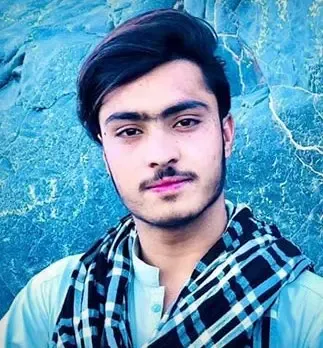
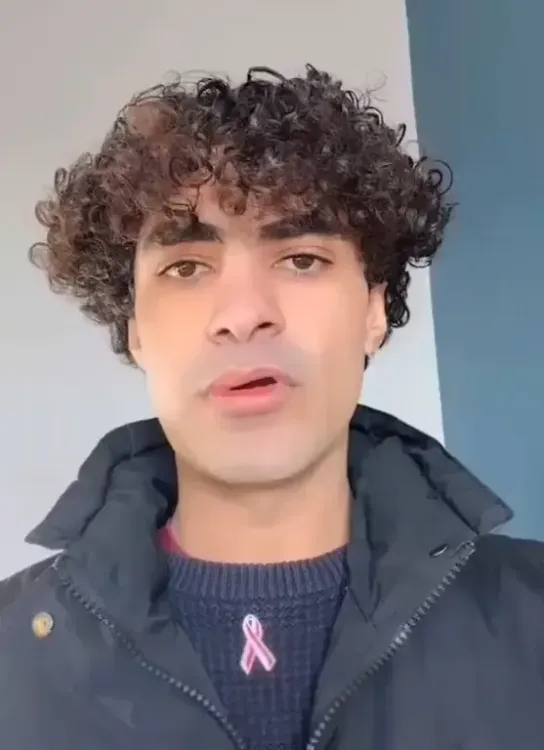
Quetta, Feb 10 (NationPress) Advocates for Baloch rights have expressed significant outrage towards an international digital news platform after it retracted an online interview with 21-year-old Baloch activist Yusuf Baluch, who is based in the UK, shortly following its release, as reported by local media.
The interview, which was initially circulated on social media, featured Baluch discussing the challenges encountered by the Balochistan populace, including what he referred to as state occupation, violations of human rights, forced disappearances, and an environmental crisis. However, the video was deleted from social media soon after its posting, leading to backlash from journalists and activists, according to The Balochistan Post.
Yusuf Baluch stated on X on February 8, "Al Jazeera removed my interview post-publication, citing a security issue without further clarification. When factual discussions are deemed unsafe by major networks in Pakistan, it raises critical concerns regarding the reality faced by ordinary citizens."
Various activists took to X to denounce what they described as censorship of dissenting voices. Taj Baloch, a journalist and columnist, questioned the integrity of editorial independence, stating in a post on X, "Is it ethical journalism for AJ Plus to retract the interview of Yusuf Baluch, who addressed the situation in Balochistan?"
Abdullah Abbas Baluch, Executive Director of the Human Rights Council of Balochistan (HRCB), pondered whether political influences led to this decision. "Media censorship of Baloch perspectives in Pakistan is extensive. Did the Pakistani establishment exert such influence over AJ English to determine which voices are amplified and which are suppressed?" The Balochistan Post reported his comments.
Activist and journalist Naeema Zehri remarked, "AJ Plus, why did you remove the video of Baloch activist Yusuf Baluch? Silencing Baloch voices raises significant concerns."
Noor-e-Maryam Kanwar criticized the media outlet for withdrawing Yusuf Baluch's interview and accused Pakistan of censoring dissenters and Baloch individuals on an international scale.
"This exemplifies how Pakistan suppresses dissenters and Baloch voices on a global level. It’s exceedingly rare for any authentic Baloch voice to receive international attention. Typically, it’s individuals with a specific state agenda. The removal of Yusuf Baluch’s interview is a dismal act for AJ Plus," Noor-e-Maryam Kanwar commented on X.
As reported, neither the media outlet nor its parent network, Al Jazeera, has provided an official statement regarding the reasoning behind the removal of the interview from social media or whether editorial, legal, or external political factors influenced this decision.
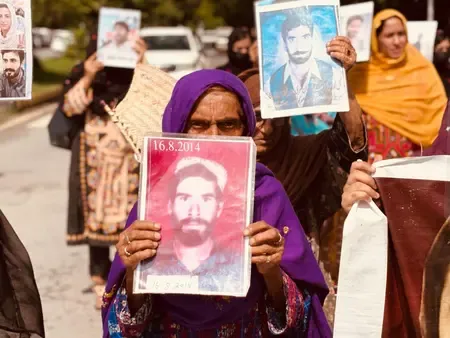
On Sunday, the Baloch National Movement (BNM) held a protest at Porta Nigra Square in Trier, Germany, to draw global attention to the ongoing and serious human rights abuses in Balochistan perpetrated by Pakistani forces.
The protesters expressed solidarity with the Baloch people, raising concerns over enforced disappearances, extrajudicial killings, arbitrary arrests, and the repression of political dissenters and human rights advocates in Pakistan. They asserted that these actions are systematically executed by Pakistani authorities.
“Using placards, banners, and speeches, protesters called upon the international community, global human rights organizations, and the media to cease their silence regarding the situation in Balochistan. Speakers highlighted that despite decades of well-documented and ongoing human rights violations, the plight of the Baloch nation continues to be overlooked on global platforms,” stated the BNM.
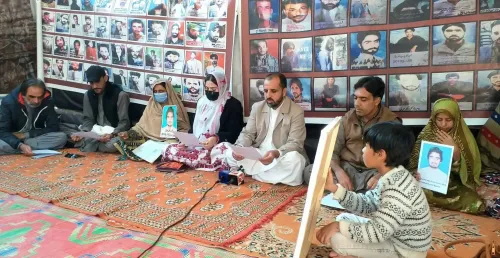
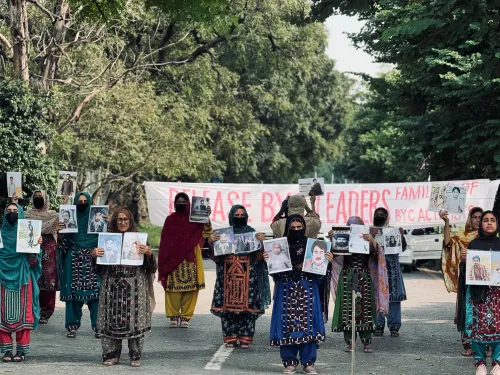
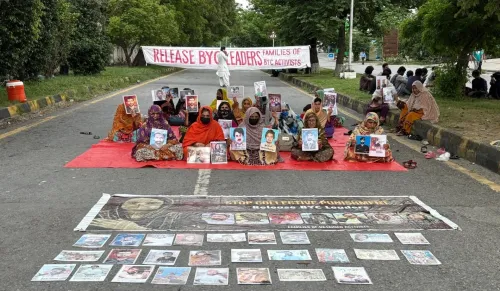
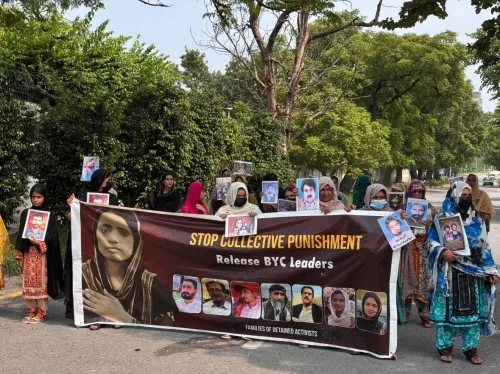
During the protest, speakers emphasized that the families of the disappeared—particularly mothers and children—have been seeking justice and the safe return of their loved ones through peaceful means for years, yet they face collective punishment instead of achieving justice. The speakers also condemned the Pakistan Army’s actions, alleging its use of force against civilians in Balochistan.
Frequently Asked Questions
What led to the removal of Yusuf Baluch's interview?
The interview was removed by Al Jazeera citing a 'security issue,' although no further explanation was provided.
What are the concerns raised by Baloch rights advocates?
Advocates have expressed concerns about media censorship in Pakistan and the suppression of critical voices.
What was discussed in the removed interview?
Yusuf Baluch discussed various challenges faced by the Baloch people, including state occupation, human rights violations, and environmental crises.
What actions have been taken in response to the interview's removal?
Activists have condemned the censorship on social media, and protests have been organized to draw attention to ongoing human rights violations in Balochistan.
What does this incident signify about media freedom in Pakistan?
This incident highlights the precarious state of media freedom in Pakistan, where dissenting voices are often silenced due to political pressures.