Iran's Internal Divisions: Rubio Flags Biggest Hurdle in US-Iran Talks
Synopsis
US Secretary of State Marco Rubio has revealed that Iran's own fractured leadership — split between economy-minded hardliners and apocalyptic ideologues — is the biggest barrier to any US-Iran deal, even as crippling sanctions push Tehran toward engagement.
Key Takeaways
Secretary of State Marco Rubio said on April 27, 2025 that Iran's internal divisions are the primary obstacle to a US-Iran agreement.
Rubio described all Iranian factions as "hardliners" , dismissing the moderate-vs-hardliner framing used in mainstream analysis.
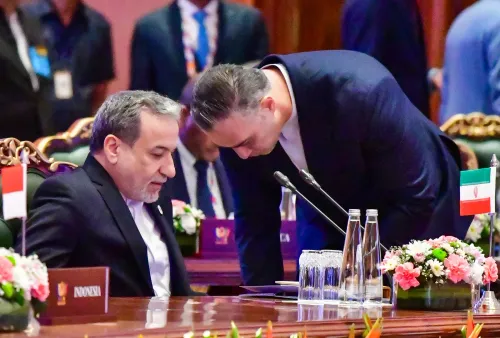
He identified a tension between Iran's political class (president, foreign minister, parliament speaker) and the theological hardliners surrounding Supreme Leader Ayatollah Khamenei and the IRGC .
Rubio warned that US negotiators effectively face a two-stage process : first reaching Iranian diplomats, who then must negotiate internally before committing to anything.
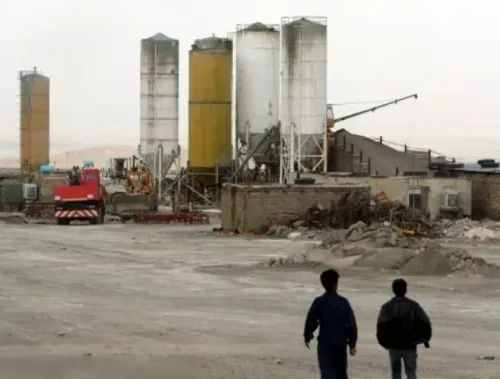
Iran reportedly offered to reopen the Strait of Hormuz in exchange for lifting the US port blockade, but without any concessions on its nuclear programme .
Rubio cited price inflation, payroll difficulties, a flattened economy , and crippling international sanctions as factors pushing Tehran toward engagement.
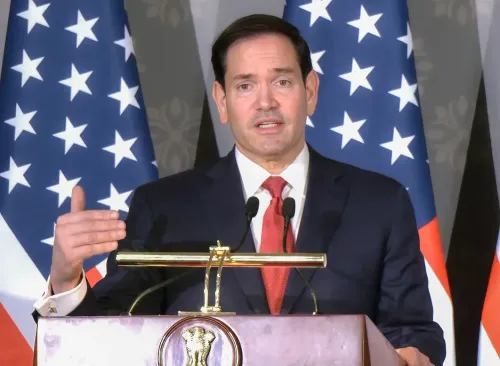
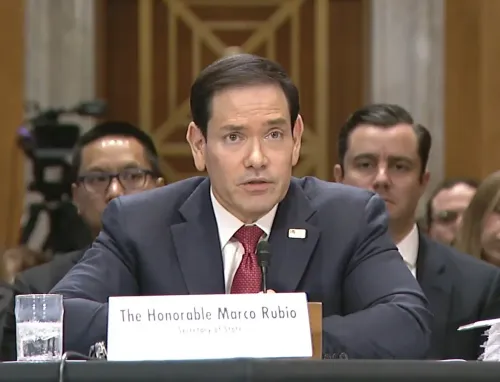
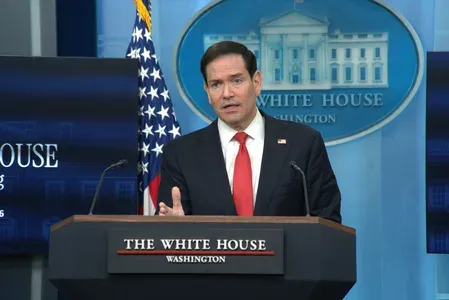
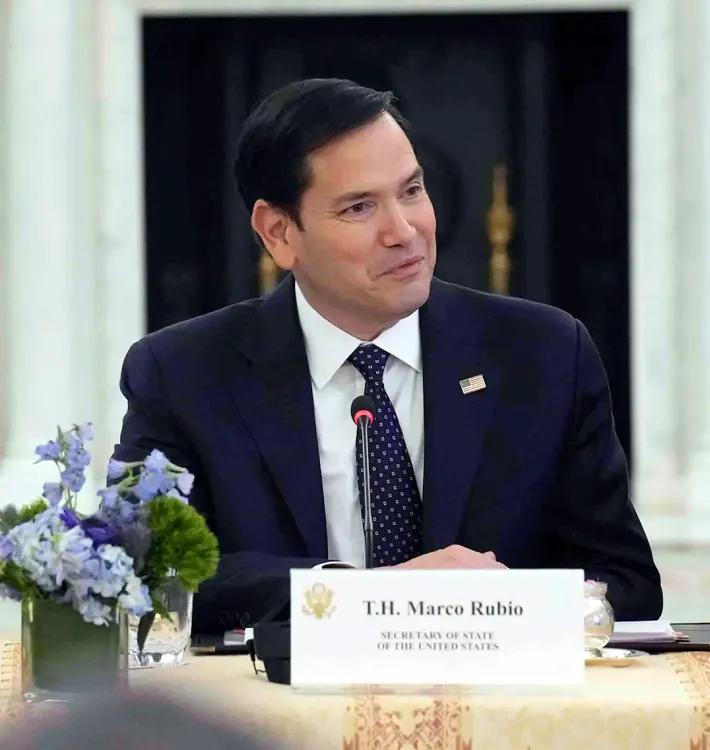
US Secretary of State Marco Rubio on Monday, April 27, identified deep internal divisions within Iran's leadership as the single biggest obstacle blocking any meaningful agreement between Washington and Tehran, even as he acknowledged that mounting economic pressure may be nudging Iran toward the negotiating table.
Speaking in an interview with Fox News anchor Trey Yingst, Rubio offered a rare, granular breakdown of Iran's fractured power structure — one that he argued makes diplomatic commitments from Iranian negotiators inherently unreliable, since those officials must themselves broker internal consensus before finalising any deal with the United States.
Key Developments in US-Iran Diplomacy
Rubio was unsparing in his characterisation of Iran's ruling class.
Point of View
But because a sitting US Secretary of State is publicly framing the negotiation as structurally broken before it has even meaningfully begun — a move that either sets expectations low or prepares the ground for walking away. What mainstream coverage misses is the contradiction at the heart of this: Washington is simultaneously applying maximum economic pressure while acknowledging that the very faction most susceptible to that pressure — Iran's political-economic class — does not hold ultimate decision-making authority. The Strait of Hormuz offer, made without nuclear concessions, suggests Tehran is testing Washington's flexibility, not conceding ground. India, heavily dependent on Gulf oil routes and Iranian energy relationships, should watch this diplomatic impasse with far more urgency than it currently commands in New Delhi's strategic calculus.
NationPress
16 Sept 2026
Frequently Asked Questions
What did Marco Rubio say about Iran's internal divisions?
US Secretary of State Marco Rubio said on April 27, 2025, that Iran's leadership is deeply fractured between economy-focused hardliners and theology-driven ideologues, making it difficult for Iranian negotiators to make binding commitments. He stressed that the more apocalyptic faction holds ultimate power, complicating US diplomacy significantly.
Why are US-Iran nuclear talks stalling in 2025?
According to Rubio, talks are stalling because Iranian negotiators must first reach internal consensus among competing power centres before committing to any agreement with the US. This two-stage negotiation process — first with Iranian diplomats, then within Iran's own factions — creates persistent delays and uncertainty.
What is Iran's Strait of Hormuz offer to the US?
Iran has reportedly proposed reopening the Strait of Hormuz — a vital global oil shipping lane — in exchange for the United States ending its blockade on Iranian ports. Crucially, the offer does not include any concessions on Iran's nuclear programme, limiting its appeal to Washington.
How bad is Iran's economy amid US sanctions?
Rubio described Iran's economic situation as severely deteriorated, citing worsening price inflation, difficulties in government payroll, a flattened economy, and crippling international sanctions. He suggested these pressures are what is motivating Tehran to seek some form of engagement with Washington.
Who holds real power in Iran according to Rubio?
Rubio identified the Supreme Leader's inner council and IRGC officials as holding ultimate authority in Iran, driven primarily by theological and ideological goals. He contrasted them with the political class — including the president and foreign minister — who are also hardliners but are more pragmatic about economic realities.