Russia Slams Japan's Yasukuni Shrine Visits, Calls It History Whitewash
Synopsis
Russia's Foreign Ministry spokesperson Maria Zakharova has accused Japan's PM Sanae Takaichi of whitewashing WWII war crimes after 120+ lawmakers visited the controversial Yasukuni Shrine, which honours 14 convicted Class-A war criminals. Moscow also slammed Japan's arms export easing and military expansion as a threat to Asia-Pacific stability.
Key Takeaways
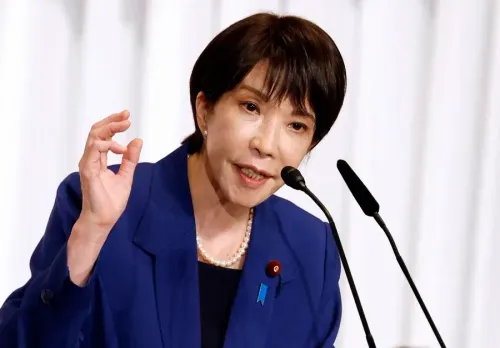
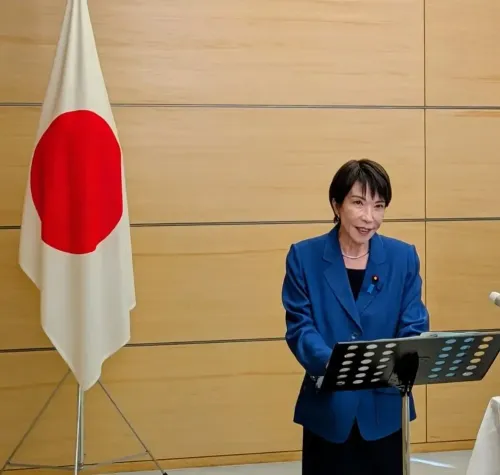
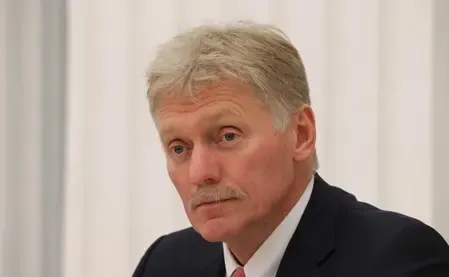
Russian Foreign Ministry spokesperson Maria Zakharova on Friday, April 25 , accused PM Sanae Takaichi of whitewashing Japan's WWII war crimes and ignoring historical lessons.
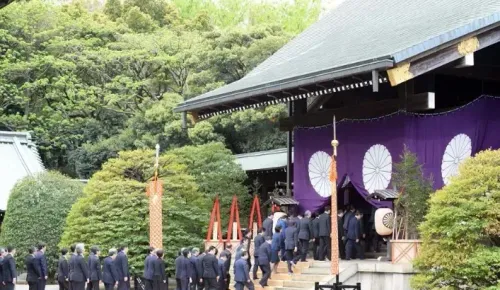
Over 120 Japanese lawmakers made a collective visit to the Yasukuni Shrine in Tokyo on April 23 during its spring festival.
Minoru Kiuchi , Minister of State for Economic and Fiscal Policy, became the first Takaichi cabinet member to visit the shrine.
The Yasukuni Shrine enshrines 14 convicted Class-A Japanese war criminals from World War II alongside approximately 2.5 million war dead .
Russia also condemned Japan's easing of arms export restrictions as a departure from its pacifist constitution and warned against military exercises with the US and Philippines .
The controversy comes as Japan plans to double its defence budget to 2% of GDP by 2027 , marking a historic shift from its post-WWII pacifist stance.
Moscow, April 25: Russia has sharply condemned the Japanese government under Prime Minister Sanae Takaichi for what it calls a deliberate erasure of historical accountability, after senior Japanese officials and over 120 lawmakers visited the controversial Yasukuni Shrine in Tokyo during its spring festival. Russian Foreign Ministry spokesperson Maria Zakharova stated on Friday, April 25, that Tokyo is actively whitewashing the most brutal crimes committed by Japanese militarists during World War II.
Zakharova's Accusations Against the Takaichi Administration
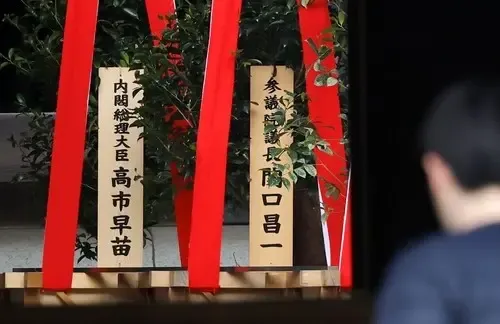
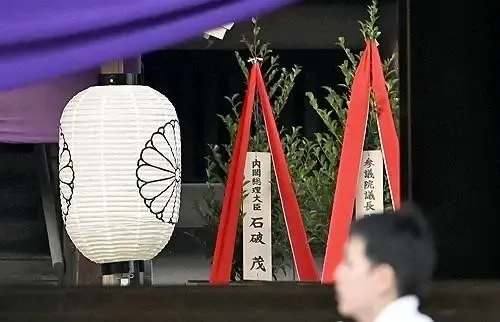
Speaking at her regular weekly press briefing, Zakharova said that PM Takaichi's decision to send a ritual "masakaki" tree offering to the Yasukuni Shrine — in her official capacity as Prime Minister — reflects her administration's "absolute ignoring of the lessons of history and the whitewashing of the most brutal, monstrous crimes of the past."
The Yasukuni Shrine is widely regarded across Asia as a symbol of Japanese militarism and wartime aggression. It enshrines the souls of approximately 2.5 million war dead, including 14 convicted Class-A Japanese war criminals from World War II — a fact that has long drawn fierce protests from China, South Korea, and other nations that suffered under Imperial Japanese occupation.
Zakharova urged Japan to "fully acknowledge the results of World War II" and abandon its accelerating policy of remilitarisation, as reported by Xinhua news agency.
Mass Shrine Visits by Japanese Officials and Lawmakers
On Wednesday, April 23, the second day of the shrine's three-day spring festival, Haruko Arimura, chairperson of the General Council of the Liberal Democratic Party (LDP), visited the shrine and made a monetary offering on behalf of PM Takaichi in her capacity as LDP president.
Minoru Kiuchi, Japan's Minister of State for Economic and Fiscal Policy, also visited the shrine on the same day, becoming the first sitting cabinet member under the Takaichi administration to do so. A cross-party group of over 120 Japanese lawmakers made a collective visit on the same occasion.
The visits triggered widespread criticism not only internationally but also within Japan itself, where pacifist groups and opposition politicians questioned the constitutional and diplomatic wisdom of such moves.
Russia's Concerns Over Japan's Remilitarisation
Zakharova also addressed Japan's recent easing of arms export restrictions, calling it a "deliberate departure" from the country's pacifist principles enshrined in its post-war constitution — specifically Article 9, which renounces war as a sovereign right.
She further criticised the participation of Japanese combat troops in US-Philippine joint military exercises, stating that Russia has consistently raised concerns about Japan's expanding military footprint under its alliance with the United States. Moscow warned that such steps "only increase tensions in the Asia-Pacific region."
This comes amid a broader pattern of Japan's defence posture shifting dramatically since 2022, when Tokyo announced plans to double its defence budget to 2% of GDP by 2027 — a historic break from its post-WWII pacifist stance that has alarmed both China and Russia.
Historical Context and Diplomatic Fault Lines
The Yasukuni Shrine controversy is not new. Former Prime Minister Junichiro Koizumi's repeated visits between 2001 and 2006 caused severe diplomatic ruptures with Beijing and Seoul. More recently, PM Shinzo Abe's visit in December 2013 drew condemnation from the United States, China, and South Korea simultaneously — a rare diplomatic alignment.
Notably, Japan and Russia have an unresolved territorial dispute over the Kuril Islands — called the Northern Territories by Tokyo — which has prevented the two countries from signing a formal peace treaty since the end of World War II. Moscow's sharp rhetoric on the shrine issue is therefore layered with this ongoing geopolitical friction.
Critics argue that the Takaichi administration's shrine diplomacy, combined with aggressive defence spending, signals a deliberate ideological shift within the LDP — one that risks isolating Japan from its Asian neighbours precisely when regional stability is most fragile, given tensions over Taiwan and the South China Sea.
What Comes Next
International observers will be closely watching whether China and South Korea issue formal diplomatic protests over the Yasukuni visits, as both nations have historically recalled ambassadors or cancelled summits in response to such moves. The autumn Yasukuni festival, typically held in October, will be the next flashpoint to watch.
As Japan continues to expand its military capabilities and deepen security ties with the United States and Australia under the Quad framework, the ideological signals sent by shrine visits carry strategic weight far beyond domestic politics — shaping how Tokyo is perceived across the entire Indo-Pacific.
Point of View
Tokyo appears to be simultaneously accelerating remilitarisation and rehabilitating the symbols of its imperial past, a combination that should alarm not just its Asian neighbours but also its Western allies who depend on a stable Indo-Pacific. Russia's condemnation, while self-serving given its own territorial disputes with Japan, highlights a real contradiction: a nation that lectures the world on rules-based order while honouring convicted war criminals. The mainstream narrative frames this as routine shrine politics — but the convergence of defence budget doubling, arms export liberalisation, and shrine diplomacy suggests something far more deliberate and structurally significant.
NationPress
19 Sept 2026
Frequently Asked Questions
Why did Russia condemn Japan's Yasukuni Shrine visits in April 2025?
Russia condemned the visits because the Yasukuni Shrine honours 14 convicted Class-A Japanese war criminals from World War II alongside war dead. Russian Foreign Ministry spokesperson Maria Zakharova said PM Takaichi's offerings to the shrine showed her administration was whitewashing Japan's wartime crimes and ignoring historical lessons.
What is the Yasukuni Shrine and why is it controversial?
The Yasukuni Shrine in Tokyo is a Shinto memorial that enshrines approximately 2.5 million war dead, including 14 Class-A war criminals convicted after World War II. It is seen by China, South Korea, Russia, and others as a symbol of Japanese militarism and wartime aggression, making official visits by Japanese leaders a major diplomatic flashpoint.
Who visited Yasukuni Shrine during the April 2025 spring festival?
PM Sanae Takaichi sent a ritual 'masakaki' tree offering in her official capacity as Prime Minister. LDP General Council chairperson Haruko Arimura made a monetary offering on Takaichi's behalf, cabinet minister Minoru Kiuchi visited personally, and a cross-party group of over 120 lawmakers paid a collective visit.
What is Russia's concern about Japan's military expansion?
Russia has raised concerns about Japan's easing of arms export restrictions, calling it a departure from its pacifist constitution, and criticised Japanese combat troop participation in US-Philippine military exercises. Moscow argues these steps increase tensions across the Asia-Pacific region.
Has Japan's Yasukuni Shrine caused diplomatic problems before?
Yes, repeatedly. Former PM Junichiro Koizumi's visits from 2001 to 2006 severely strained ties with China and South Korea. PM Shinzo Abe's 2013 visit drew simultaneous condemnation from the US, China, and South Korea — one of the rare moments all three aligned in criticism of Tokyo.