Russia Expands EU Blacklist After 20th Sanctions Package
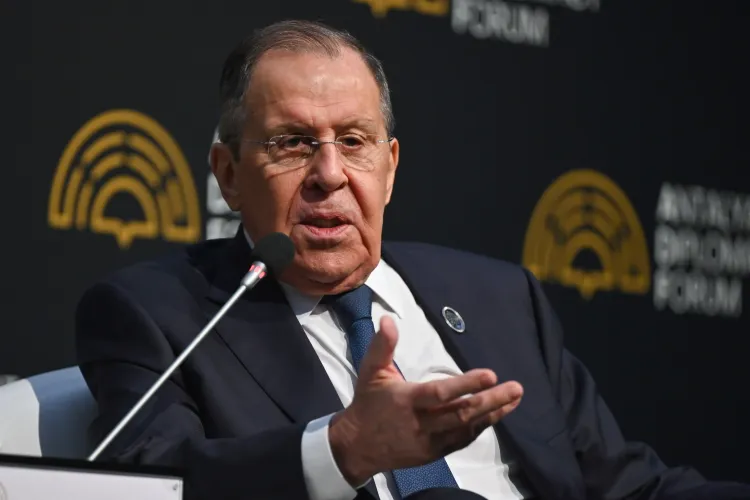
Synopsis
Russia expands its EU entry ban in retaliation for the bloc's 20th sanctions package approved April 23, targeting lawmakers, academics, and civil society figures — while the EU simultaneously finalised a €90 billion Ukraine loan.
Key Takeaways
Russia expanded its entry-ban blacklist targeting EU-affiliated individuals on April 27, 2025 , in response to the EU's 20th sanctions package .
The EU Council approved the 20th sanctions package on April 23, 2025 , alongside a €90 billion loan to Ukraine .
Banned individuals include EU parliamentarians , civil society activists, academics, and officials involved in military aid decisions for Ukraine.
The Russian Foreign Ministry called the EU sanctions a violation of international law, citing the bypassing of the UN Security Council .
Moscow stated the EU's measures are incapable of altering Russia's foreign policy or its commitment to a multipolar world order.
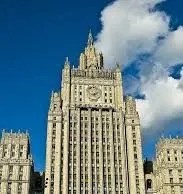
Russia has significantly expanded its entry ban list targeting European Union-affiliated individuals in direct retaliation for the EU's 20th sanctions package, the Russian Ministry of Foreign Affairs announced on Monday, April 27. The sweeping expansion targets officials, lawmakers, civil society figures, and academics across EU member states, marking one of Moscow's most comprehensive counter-restriction moves since the Ukraine conflict escalated.
Key Developments in Russia's Retaliatory Blacklist
According to the Russian Foreign Ministry, the newly expanded blacklist encompasses representatives of European institutions, governments of EU member states, and nations broadly aligned with what Moscow describes as Brussels' anti-Russian policies. The ministry characterised the EU's sanctions as unlawful and a violation of international law, noting that Brussels has bypassed the United Nations Security Council in imposing these unilateral restrictive measures.
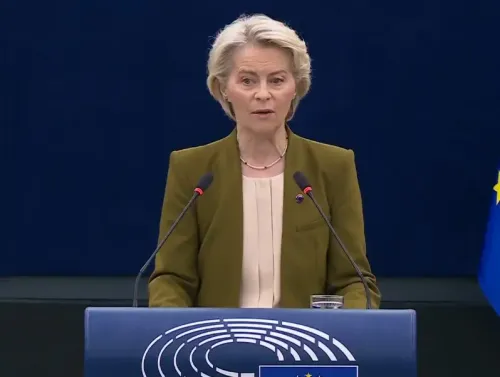
The EU Council formally approved the 20th sanctions package on April 23, 2025, alongside finalising a landmark €90 billion loan to Ukraine — a pairing that Moscow has condemned as a coordinated escalation.
Who Is Included and Why
The Russian Foreign Ministry outlined several categories of individuals now banned from entering Russian territory. These include persons involved in decisions related to military aid to Ukraine, those advocating for the illegal seizure of Russian state assets, individuals engaged in what Moscow calls the
Point of View
Which suggests Russia is not merely retaliating against state actors but attempting to chill broader Western intellectual and advocacy ecosystems. The simultaneous EU finalisation of a €90 billion Ukraine loan alongside the 20th sanctions package is a significant escalation that Russia clearly views as coordinated economic warfare. As both sides harden their positions, the window for any near-term diplomatic de-escalation appears to be narrowing rapidly.
NationPress
15 Sept 2026
Frequently Asked Questions
Why did Russia expand its EU blacklist in April 2025?
Russia expanded its EU entry blacklist on April 27, 2025, in direct retaliation for the EU's 20th sanctions package approved on April 23. Moscow's Foreign Ministry called the EU sanctions unlawful and a violation of international law for bypassing the UN Security Council.
Who is included in Russia's new EU blacklist?
The expanded blacklist includes EU parliamentarians who voted for anti-Russian resolutions, officials involved in military aid decisions for Ukraine, civil society activists, academics, and individuals linked to the alleged seizure of Russian state assets. Both EU member state representatives and European Parliament members are affected.
What is the EU's 20th sanctions package against Russia?
The EU's 20th sanctions package was approved by the EU Council on April 23, 2025, as part of ongoing unilateral restrictive measures against Russia over the Ukraine conflict. It was accompanied by the finalisation of a €90 billion loan to Ukraine.
How has Russia responded to EU sanctions historically?
Russia has consistently responded to EU and Western sanctions with counter-restrictions, including entry bans, asset freezes on European officials, and diplomatic expulsions. The latest blacklist expansion is one of the broadest yet, extending to civil society and academic figures.
Will Russia's blacklist affect EU-Russia diplomatic relations?
The expansion of the blacklist is expected to further strain already deeply damaged EU-Russia diplomatic ties. Moscow has stated the EU's measures cannot alter its foreign policy, suggesting no near-term softening of its position.