South Korea and US Enhance Collaboration Against Money Laundering
Synopsis
In a significant move, South Korea and the United States have agreed to intensify their efforts in combating money laundering in the Asia-Pacific region. This partnership aims to tackle online scams and enhance cooperation between financial institutions.
Key Takeaways
Strengthened cooperation between South Korea and the US in fighting money laundering.
Focus on online scams involving Korean nationals in Southeast Asia.
Financial support packages for companies impacted by the Middle East crisis.
Increased information sharing between financial regulatory agencies.
Support for the steel industry to improve financial stability.
Seoul, April 20 (NationPress) - The Republic of Korea and the United States have come to an agreement to strengthen their collaboration in combating money laundering within the Asia-Pacific area, as announced by Seoul's financial authority on Monday.
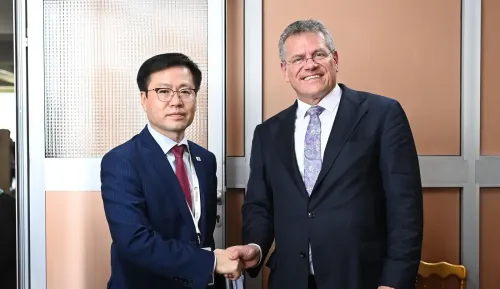
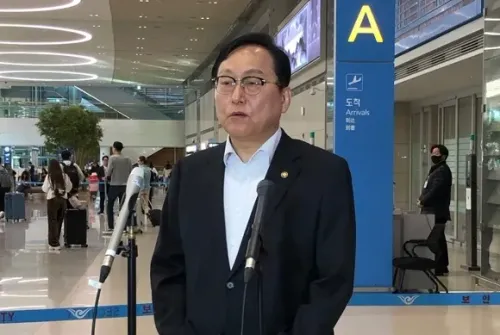
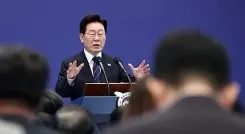
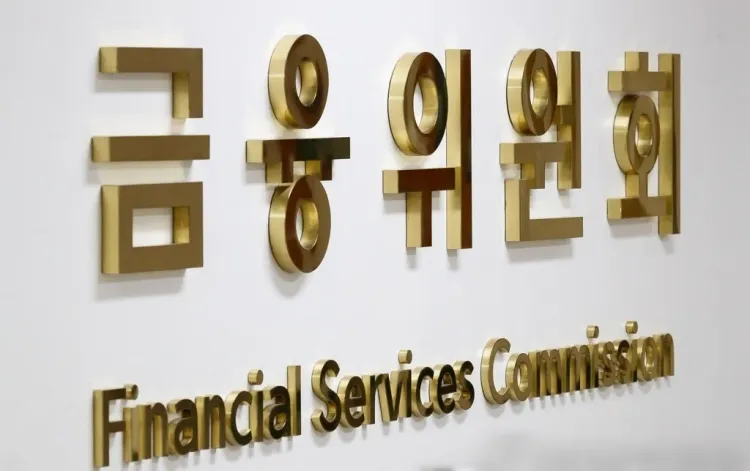
This week, Lee Hyung-ju, the commissioner of the Korea Financial Intelligence Unit (KoFIU), held talks with Andrea Gacki, the director of the Financial Crimes Enforcement Network (FinCEN), which operates under the U.S. Department of the Treasury, during a meeting in Washington, D.C., according to the Financial Services Commission (FSC).
The KoFIU functions under the FSC and is responsible for tackling issues related to money laundering, financing of terrorism, and other illicit financial operations, as reported by Yonhap news agency.
During this discussion, Lee emphasized the need for enhanced transnational cooperation to effectively address money laundering activities in the Asia-Pacific, highlighting instances of online scams in certain Southeast Asian nations that involved Korean individuals.
He pointed out that anti-money laundering efforts should be conducted in tandem with the private sector to facilitate early detection of these crimes, according to the regulator.
In reply, Gacki acknowledged South Korea as a vital strategic ally and concurred on increasing information sharing between the two organizations to combat various forms of illegal activity, as indicated by the FSC.
Additionally, on Friday, the head of the nation's financial authority revealed that both banks and state-owned lenders plan to offer a range of financial assistance packages to companies affected by the crisis in the Middle East, aiming to alleviate financial strains and potential liquidity shortages.
In a meeting with leaders from the steel industry and related sectors, Lee Eog-weon, chairman of the Financial Services Commission (FSC), announced that policy lenders are prepared to provide a total of 25.6 trillion won (approximately $17.3 billion) in loans to businesses facing challenges due to the ongoing Middle East crisis.
Banks and other financial institutions have also developed a support package exceeding 53 trillion won, according to Lee.
"We are implementing timely strategies to assist crisis-affected companies in overcoming liquidity challenges and other difficulties," Lee stated, adding that these support measures could expand based on evolving circumstances.
Regarding the steel sector, financial authorities will aid in business restructuring and enhancing financial stability through a 1 trillion-won fund dedicated to supporting business reforms.
Point of View
It's essential to recognize the significance of international cooperation in combating financial crimes. The agreement between South Korea and the United States marks a vital step forward in addressing money laundering issues that affect not just the nations involved, but the integrity of the global financial system as a whole.
NationPress
19 Sept 2026
Frequently Asked Questions
What is the purpose of the agreement between South Korea and the US?
The agreement aims to enhance cooperation in combating money laundering activities in the Asia-Pacific region.
Who are the key figures involved in this agreement?
Key figures include Lee Hyung-ju, commissioner of the Korea Financial Intelligence Unit (KoFIU), and Andrea Gacki, director of the Financial Crimes Enforcement Network (FinCEN).
What financial support is being provided to companies affected by the Middle East crisis?
Both banks and state-run lenders are set to provide financial assistance packages totaling 25.6 trillion won to help companies facing crises linked to the Middle East.
How will the cooperation between the two countries be executed?
The cooperation will involve increasing information exchange and collaboration with the private sector to effectively tackle money laundering and financial crimes.
What specific challenges are being addressed by the financial authorities?
The authorities aim to support businesses facing liquidity shortages and financial difficulties, particularly in the steel sector.