Democratic senators probe Pentagon over Kuwait drone strike deaths
Synopsis
Six US service members died in a drone strike at Kuwait's Shuaiba port with no warning sirens, no air defences, and no evacuation plan — and now four Democratic senators allege the Pentagon's top official tried to cover it up. Their letter to Secretary Pete Hegseth sets an 11 May deadline and frames the Kuwait strike as part of a wider pattern of failed troop protection during Operation Epic Fury.
Key Takeaways
Six US service members were killed and at least 20 injured in an Iranian drone strike at Shuaiba port, Kuwait on 1 March .
Senators Elizabeth Warren , Richard Blumenthal , Kirsten Gillibrand , and Mark Kelly launched a formal investigation into the Pentagon's handling of the attack.
Survivors reportedly said there were no warning sirens and the unit lacked any functional drone-intercept capability.
The senators accused Secretary Pete Hegseth of misrepresenting the strike, with survivors calling his account a "falsehood." The Pentagon has been given until 11 May to respond to the senators' questions.
Lawmakers said the failures extend to US-flagged ships not being warned of Iranian attacks, "breaking from past precedent."
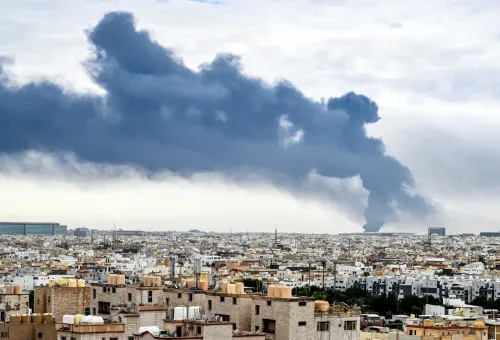
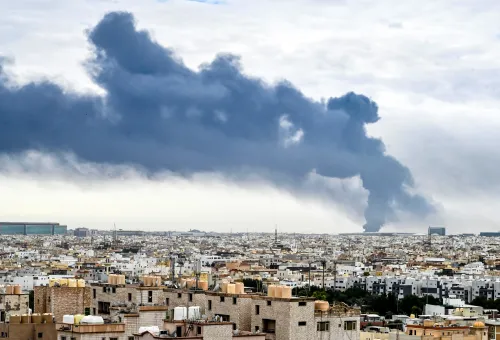
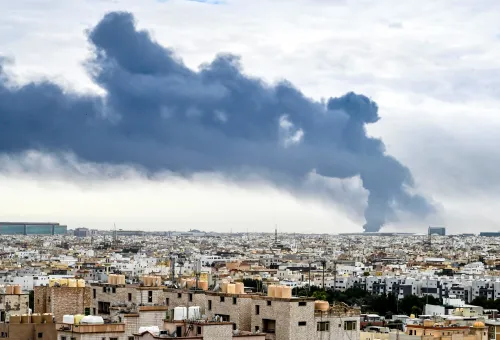
Four senior Democratic senators have launched a formal investigation into the Pentagon's handling of troop protection during Operation Epic Fury, citing reports that six US service members were killed in an Iranian drone strike at Shuaiba port, Kuwait on 1 March without adequate warning or air defences. The investigation, disclosed on 28 April, centres on allegations that the Department of Defense (DoD) failed to take even basic precautions to protect American troops after the war with Iran began.
The Kuwait Strike and What Survivors Reported
According to the senators' letter, an Iranian drone struck a US military post at Shuaiba port in Kuwait on 1 March, killing six service members and injuring at least 20 others. Survivors reportedly said there were "no warning or sirens" to alert troops to evacuate or seek shelter, leaving personnel entirely exposed to the attack.
In the aftermath, survivors allegedly "triaged themselves with makeshift bandages, braces and tourniquets" and "commandeered civilian vehicles to drive the wounded to two local Kuwaiti hospitals" — a stark account of the chaos that followed the strike, according to the lawmakers' letter.
Senators Accuse Hegseth of Misrepresenting the Attack
The sharply worded letter was addressed to Secretary of Defense Pete Hegseth and signed by Senators Elizabeth Warren, Richard Blumenthal, Kirsten Gillibrand, and Mark Kelly. The lawmakers accused Hegseth of misrepresenting the circumstances of the strike, noting that while he described it as a "powerful" drone attack that penetrated "fortified" US defences, survivors disputed that characterisation, calling it a "falsehood."
Survivors reportedly stated that the unit "was unprepared to provide any defense for itself" despite having submitted requests for "more capabilities to defeat incoming drones." The letter cited evidence that the base lacked American counter-rocket, artillery and mortar systems capable of intercepting drones. One survivor described the level of protection as falling under a "none category."
Intelligence Warnings Allegedly Ignored
The senators also pointed to what they described as intelligence warnings that appear to have gone unheeded. According to the letter, at least one service member said personnel had reviewed intelligence showing the post "was on a list of potential Iranian targets." Officials had reportedly warned that the location "concentrated too many US troops in a location that wasn't defendable."
This is not the only failure the senators allege. They said the Pentagon also failed to warn US-flagged ships of imminent Iranian attacks, "breaking from past precedent" and leaving personnel stranded for weeks without evacuation options. The lawmakers characterised these failures as part of a broader pattern.
Senators Warn of a Larger Pattern of Failures
"We are concerned that this is part of a larger pattern in which this administration has failed to protect Americans in the region from Iranian retaliation," the senators wrote. They called for careful consideration of major operations like Epic Fury and better planning to prevent foreseeable harm from drone strikes, asserting that "the safety and well-being of our service members should be a top priority for DoD leadership."
Senator Warren was particularly pointed in her public statement: "Secretary Hegseth sent our troops to fight in Iran, refused to take basic steps to protect them, and then tried to cover up his failures when service members died."
Key Questions and the May 11 Deadline
The senators have asked Hegseth to explain why troops were stationed at the Kuwait post, why requests for additional protections were denied, and how the Pentagon is ensuring troop safety going forward. A response deadline of 11 May has been set. The investigation adds to mounting scrutiny of the administration's management of military operations and force protection protocols in the region.
Point of View
No counter-drone systems, requests for protection denied — this is not a failure of intelligence alone but of command accountability. The senators' probe arrives as the administration faces broader questions about the strategic logic of Operation Epic Fury and whether force protection was ever adequately planned. Secretary Hegseth's characterisation of a 'fortified' position, directly contradicted by those who survived the attack, raises the stakes considerably: congressional oversight may be the only mechanism left to establish what actually happened at Shuaiba port.
NationPress
19 Sept 2026
Frequently Asked Questions
What happened in the Kuwait drone strike during Operation Epic Fury?
An Iranian drone struck a US military post at Shuaiba port in Kuwait on 1 March, killing six US service members and injuring at least 20 others. Survivors said there were no warning sirens and the unit lacked drone-intercept defences.
Who are the senators investigating the Pentagon over the Kuwait strike?
Senators Elizabeth Warren, Richard Blumenthal, Kirsten Gillibrand, and Mark Kelly sent a formal letter to Secretary of Defense Pete Hegseth demanding answers about the Pentagon's handling of troop protection during Operation Epic Fury.
What did Secretary Pete Hegseth say about the Kuwait attack?
Hegseth reportedly described the strike as a 'powerful' drone attack that penetrated 'fortified' US defences. Survivors disputed this, calling his account a 'falsehood' and saying the unit was entirely unprepared to defend itself.
Why are senators accusing the Pentagon of a cover-up?
The senators allege Hegseth misrepresented the circumstances of the strike and that the DoD failed to act on intelligence warnings, denied troop requests for better drone defences, and did not warn US-flagged ships of imminent Iranian attacks.
What is the deadline for the Pentagon to respond to the senators?
The Pentagon has been asked to respond to the senators' questions by 11 May, including explaining why troops were stationed at the Kuwait post and why requests for additional protections were denied.