Seoul-Washington Intelligence Rift: Normalisation Efforts Underway
Synopsis
South Korea and the U.S. are working to restore 'normalisation' after Washington reportedly restricted Seoul's access to North Korea satellite intelligence, following Unification Minister Chung Dong-young's public reference to the Kusong uranium enrichment site — a disclosure Washington calls a classified information breach.
Key Takeaways
South Korean Vice Foreign Minister Jeong Yeon-doo met U.S.
Under Secretary Allison Hooker in Washington on Friday, April 25 to address the intelligence-sharing dispute.
The U.S. partially restricted South Korea's access to satellite intelligence on North Korea after Unification Minister Chung Dong-young publicly named the Kusong uranium enrichment site.
Seoul maintains the Kusong reference was based on open-source information ; Washington considers it a disclosure of classified intelligence .
A senior Trump administration official warned that the U.S. "expects all partners to safeguard sensitive U.S. information shared in private channels." South Korea's National Security Advisor Wi Sung-lac declined to confirm or deny the intelligence curbs, citing the sensitivity of the matter.
Jeong is set to attend the NPT states parties meeting at U.N. headquarters in New York early next week, where North Korea's nuclear programme will be a key agenda item.
Seoul, April 24: A senior South Korean diplomat confirmed on Friday that Seoul and Washington are actively working toward "normalisation" of intelligence-sharing ties, following reports that the United States partially restricted South Korea's access to satellite intelligence on North Korea over an alleged classified information leak by a top Seoul official. The development has raised serious concerns about the durability of one of Asia's most critical bilateral security alliances.
High-Level Diplomatic Meeting in Washington
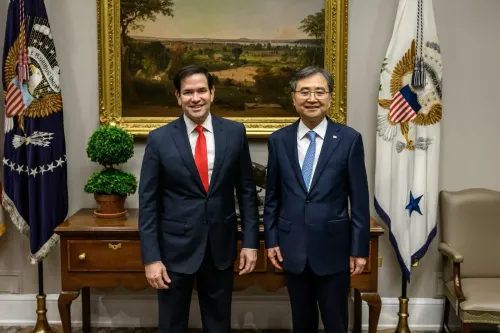
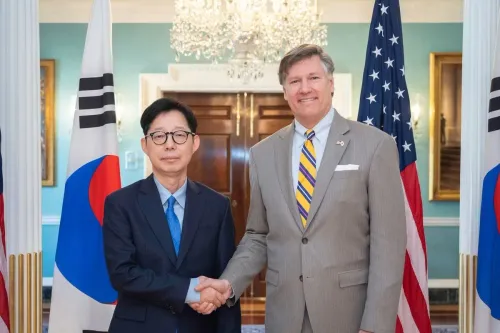
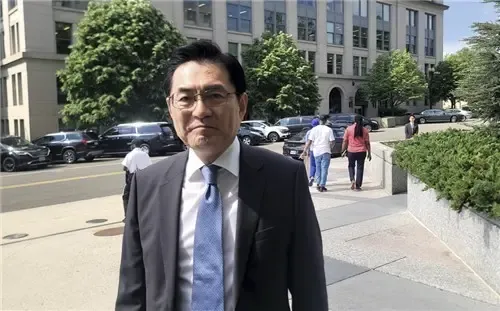
South Korean Vice Foreign Minister for Strategy and Intelligence Jeong Yeon-doo met with U.S. Under Secretary of State for Political Affairs Allison Hooker at the State Department in Washington to address the growing rift. Both officials are recognised experts on North Korean affairs, making the meeting particularly significant in terms of substantive engagement.
When asked by Yonhap News Agency whether the situation was moving toward normalisation, Jeong confirmed: "That is what we are trying to do. Both sides are making (efforts)." On whether misunderstandings had been resolved, he said, "We had discussed (issues), including that. Let's wait and see."
The Kusong Leak Controversy Explained
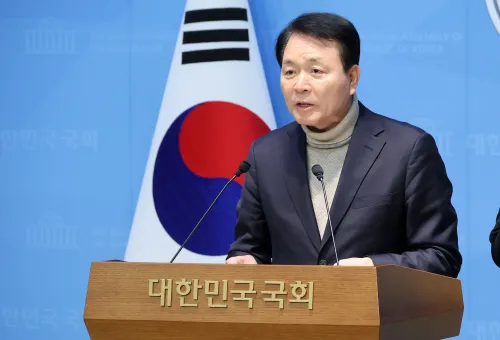
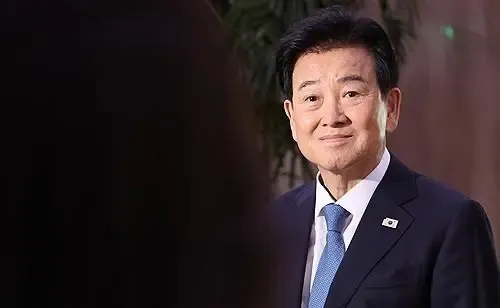
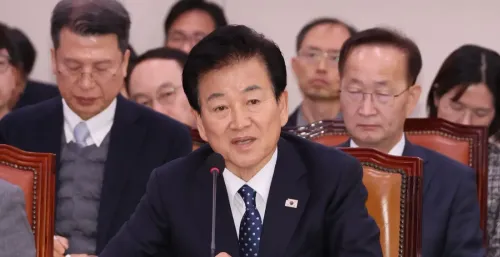
The crisis was triggered after South Korean Unification Minister Chung Dong-young publicly referenced the Kusong area in North Korea as a site hosting uranium enrichment facilities. The U.S. viewed this as an unauthorised disclosure of confidential intelligence, prompting it to partially restrict Seoul's access to its satellite imagery and related intelligence feeds on North Korea.
Seoul, however, maintains that Chung's reference to the Kusong site was drawn from "open-source" information — publicly available data — and did not constitute a breach of classified material. This fundamental disagreement over the nature of the information lies at the heart of the current diplomatic friction.
This is not the first time that intelligence-sharing sensitivities have strained the Seoul-Washington alliance. The two allies have historically navigated delicate information boundaries, particularly regarding North Korea's nuclear and missile programmes, where the stakes for operational security are extraordinarily high.
Trump Administration's Firm Stance on Information Security
A senior Trump administration official made the U.S. position unambiguous, stating that Washington "expects all our partners to safeguard sensitive U.S. information that has been shared in private channels." This signals that the U.S. is treating the incident as a serious breach of protocol, regardless of Seoul's open-source defence.
South Korea's National Security Advisor Wi Sung-lac, speaking at a press briefing in Hanoi on Thursday, acknowledged that the two sides had been in active communication over the matter. When pressed on whether intelligence sharing had actually been curtailed, Wi carefully stated: "It is difficult to either confirm or deny it" — a diplomatic phrasing that itself signals the sensitivity of the situation.
Strategic Implications for the Korea-U.S. Alliance
Any disruption to intelligence sharing between Seoul and Washington carries profound security implications. The U.S.-South Korea alliance, formalised through the Mutual Defense Treaty, is a cornerstone of stability on the Korean Peninsula and broader Indo-Pacific security architecture. Real-time satellite intelligence on North Korea's missile launches, troop movements, and nuclear facility activity is critical for South Korea's defence preparedness.
Restricting this flow — even partially — weakens Seoul's situational awareness at a time when Pyongyang continues to advance its intercontinental ballistic missile (ICBM) and nuclear warhead programmes. Critics argue that the timing of the U.S. action, amid an already complex geopolitical environment, risks sending mixed signals to both allies and adversaries in the region.
Notably, this episode also highlights a recurring tension in intelligence alliances: the line between what constitutes classified information and open-source intelligence is increasingly blurred in the digital age, creating new friction points even among the closest partners.
What Comes Next
Vice Foreign Minister Jeong Yeon-doo is scheduled to attend a meeting of states parties to the Treaty on the Non-Proliferation of Nuclear Weapons (NPT) at U.N. headquarters in New York early next week — a forum where North Korea's nuclear programme will inevitably be a central topic. The outcome of ongoing Seoul-Washington diplomatic consultations is expected to determine whether intelligence-sharing protocols return to full operational status in the near term.
As both sides continue backchannel and formal diplomatic engagement, the resolution of this dispute will be a key test of the resilience of one of the world's most strategically vital bilateral alliances.
Point of View
This comes at the worst possible time, as North Korea accelerates its ICBM and nuclear warhead programmes. The quiet but firm U.S. stance also reflects the Trump administration's broader transactional approach to alliances, where even close partners are held to strict accountability. The real test is whether Seoul can restore full intelligence access before the next North Korean provocation makes the cost of this rift dangerously apparent.
NationPress
16 Sept 2026
Frequently Asked Questions
Why did the U.S. restrict intelligence sharing with South Korea?
The U.S. partially restricted South Korea's access to satellite intelligence on North Korea after Unification Minister Chung Dong-young publicly referenced the Kusong area as a uranium enrichment site, which Washington considered a disclosure of classified information. South Korea disputes this, arguing the reference was based on open-source data.
What is the Kusong site in North Korea?
The Kusong area in North Korea is reportedly associated with uranium enrichment facilities linked to Pyongyang's nuclear weapons programme. Its public identification by a senior South Korean official triggered the current intelligence-sharing dispute with the United States.
Who met to resolve the Seoul-Washington intelligence dispute?
South Korean Vice Foreign Minister for Strategy and Intelligence Jeong Yeon-doo met U.S. Under Secretary of State for Political Affairs Allison Hooker at the State Department in Washington on Friday, April 25. Both officials are North Korea specialists and discussed steps toward normalisation of intelligence ties.
How does the intelligence-sharing dispute affect South Korea's security?
Restricting U.S. satellite intelligence reduces South Korea's real-time situational awareness of North Korea's military activities, including missile launches and nuclear facility movements. This is particularly serious given North Korea's ongoing advancement of its ICBM and nuclear warhead programmes.
What is the current status of the U.S.-South Korea intelligence-sharing normalisation?
As of Friday, April 25, both sides confirmed they are actively working toward normalisation, with Vice FM Jeong stating 'both sides are making efforts.' A full resolution has not yet been publicly confirmed, and further diplomatic consultations are ongoing.