Singapore PM Lawrence Wong warns Mideast crisis may trigger global recession
Synopsis
Singapore's Prime Minister Lawrence Wong delivered one of the starkest economic warnings yet from a world leader — the Middle East crisis is not ending soon, and the Strait of Hormuz closure is already reshaping global supply chains. With fuel shortages spreading across Asia and food markets next in line, the risk of a cascading global recession is no longer theoretical.
Key Takeaways
Singapore PM Lawrence Wong warned on 1 May that Middle East supply disruptions will persist and could push some economies into recession.
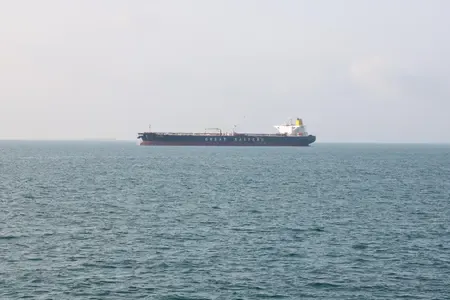
The Strait of Hormuz has been closed for more than two months , causing higher prices and tightening supplies globally.
Wong said disruptions will spread beyond energy to fertilisers, food , and other essential inputs.
Asia is particularly exposed due to heavy reliance on Gulf energy and critical imports; some regional countries already face fuel shortages.
UN Secretary-General António Guterres called for dialogue and a "pathway to peace" as he warned the crisis is worsening by the hour.
Singapore's own economic growth is expected to slow this year while inflation rises , pressuring businesses, workers, and households.
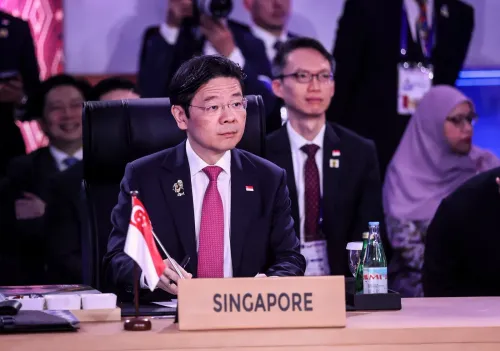
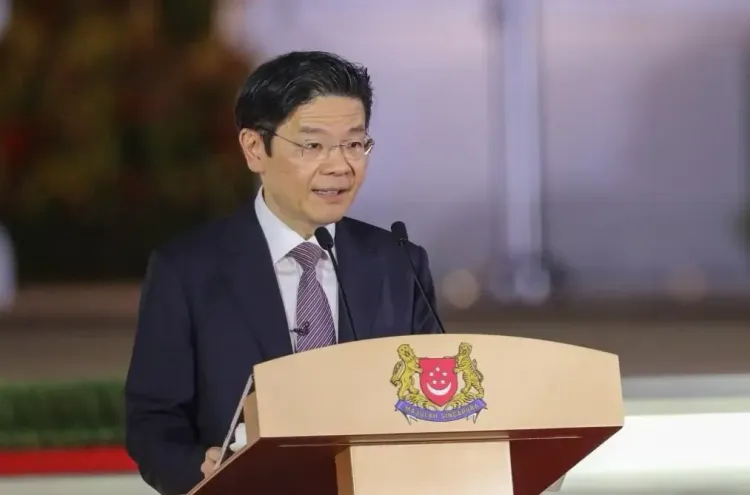
Singaporean Prime Minister Lawrence Wong on Friday, 1 May warned that supply disruptions stemming from the Middle East crisis are likely to persist and could worsen in the months ahead, raising the risk that some economies slip into recession. Speaking at a May Day Rally, Wong cautioned that Singapore would feel the impact directly as inflation spreads from energy to food and other essentials.
Key Warning: Recession Risk on the Horizon
"Globally, inflation will rise, spreading from energy to food and then other essentials. Some economies may well slip into recession, and Singapore will feel the impact directly," Wong said in his May Day Rally address. He added that Singapore's own economic growth would slow this year while inflation rises, placing "real pressure on businesses, workers and households," according to Xinhua news agency.
Notably, Wong said that even if the Strait of Hormuz were to reopen, the crisis should not be considered over. He cited ongoing damage to ports and energy infrastructure, the need to clear shipping lanes of mines, and the time required to restore market confidence as factors that would delay normalisation. "It will take months at least before the situation stabilises," he said.
Strait of Hormuz: Two Months Closed and Counting
The Strait of Hormuz has been closed for more than two months, with effects already visible in higher prices and tightening supply chains globally. Asia has been particularly hard hit, given the region's heavy reliance on energy and other critical imports from the Gulf. Wong noted that some countries in the region are already facing fuel shortages, with airlines cutting flights and factories reporting delays in production and delivery.
This is not merely an energy crisis, Wong stressed. He warned that fertiliser, food, and other essential inputs are likely to be affected next. "We can expect shortages in more items to emerge," he said, underscoring the cascading nature of supply chain disruptions that begin with energy but rarely end there.
UN Chief Urges Pathway to Peace
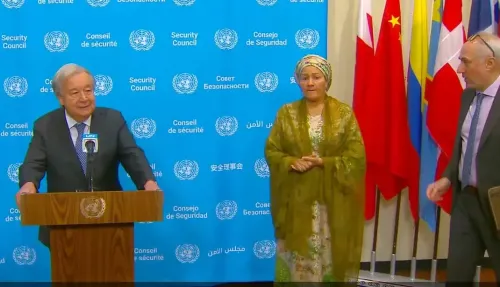
UN Secretary-General António Guterres also weighed in, warning that the crisis in the Middle East is worsening with each passing hour. In a post on X, he said: "The consequences of the Middle East crisis grow dramatically worse with each passing hour." Guterres highlighted that curbs on movement through the Strait of Hormuz have disrupted energy, transport, manufacturing, food markets, and the overall global economy.
He called for immediate dialogue: "Now is the time for dialogue, for solutions that pull us back from the brink and for measures that can open a pathway to peace."
What This Means for the Broader Global Economy
The combined warnings from Singapore's prime minister and the UN chief reflect a growing consensus among policymakers that the Middle East crisis has moved well beyond a regional conflict and is now a systemic risk to global economic stability. For India and other energy-importing economies in Asia, the prolonged closure of the Strait of Hormuz poses direct threats to fuel supply, inflation management, and trade logistics. With no clear timeline for resolution, businesses and governments across the region face mounting pressure to build contingency buffers. The next few months will be critical in determining whether the disruption triggers a broader recessionary wave.
Point of View
And its policymakers tend to read global supply shocks earlier than most. The warning that disruptions will migrate from energy to food is the detail mainstream coverage is underplaying. Food inflation, unlike fuel inflation, hits the bottom of the income pyramid hardest and fastest — and in Asia, where food constitutes a large share of household budgets, that is a political as much as an economic risk. The UN chief's call for a 'pathway to peace' without naming any party responsible underscores how diplomatically paralysed the international community remains even as the economic damage compounds.
NationPress
19 Sept 2026
Frequently Asked Questions
What did Singapore PM Lawrence Wong warn about the Middle East crisis?
Singapore Prime Minister Lawrence Wong warned on 1 May that supply disruptions from the Middle East crisis are likely to persist and worsen, raising the risk that some economies slip into recession. He said Singapore would feel the impact directly through rising inflation and slowing economic growth.
How long has the Strait of Hormuz been closed?
The Strait of Hormuz has been closed for more than two months, according to PM Wong, with effects already visible in higher prices and tightening global supply chains. Even if it reopens, Wong cautioned it will take months before the situation fully stabilises.
Which sectors are at risk from the Middle East supply disruption?
Energy was the first sector hit, but PM Wong warned that fertilisers, food, and other essential inputs are likely to be affected next. Airlines have already cut flights and factories are reporting delays, signalling disruption across multiple industries.
Why is Asia particularly vulnerable to the Strait of Hormuz closure?
Asia is heavily reliant on energy and other critical imports from the Gulf, making the region especially exposed to the Strait of Hormuz closure. Some countries in the region are already facing fuel shortages as a direct consequence.
What has the UN said about the Middle East crisis?
UN Secretary-General António Guterres warned that the consequences of the Middle East crisis are growing dramatically worse with each passing hour. He called for dialogue and measures to open a pathway to peace, noting the crisis has disrupted energy, transport, manufacturing, and food markets globally.